
Last updated September 24, 2026
The Complete Guide to Insulation in New Braunfels
The IRC requires R-38 in attics for Climate Zone 2 construction, but in New Braunfels, the bigger problem isn’t R-value. It’s that roughly 70% of conditioned air loss in a typical local home exits through unsealed attic penetrations before insulation depth even matters. We’ve tested enough houses in Comal County to know: a home with R-60 blown over a leaky attic floor will underperform a home with R-38 and a properly sealed envelope. This guide maps every major insulation decision to the specific thermal and moisture conditions of the New Braunfels building envelope, not to generic “Central Texas” advice that ignores our mixed-hot-humid classification.
Quick Answer
Insulation in New Braunfels must be designed for IECC Climate Zone 2, a mixed-hot-humid zone where vapor retarders belong on the exterior, not the interior, and where air sealing must precede any insulation installation. Most attics here need R-38 minimum with comprehensive top-plate and penetration sealing, while crawl spaces benefit from full encapsulation with vapor barriers due to our high groundwater table and summer dew points that regularly exceed 75°F.
Table of Contents
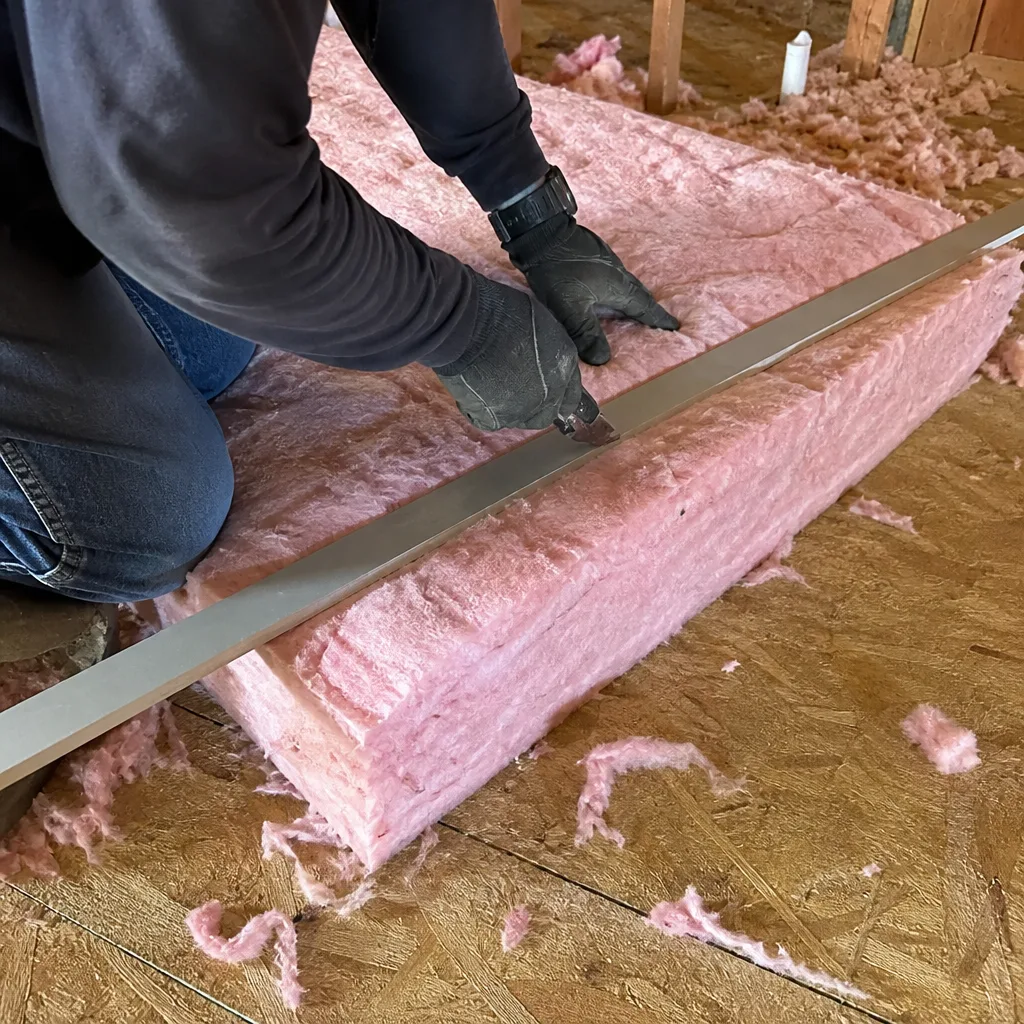
- Why New Braunfels Climate Zone 2 Changes Everything
- Air Sealing First: The Blower-Door Test Explained
- Insulation Materials Compared for South Texas Humidity
- Attic Insulation: What the IRC Requires and What We Actually Install
- Crawl Spaces and Vapor Barriers in New Braunfels
- Wall Insulation and Retrofit Options
- What Documentation You Should Have After the Job
- What Insulation Costs in the New Braunfels Market
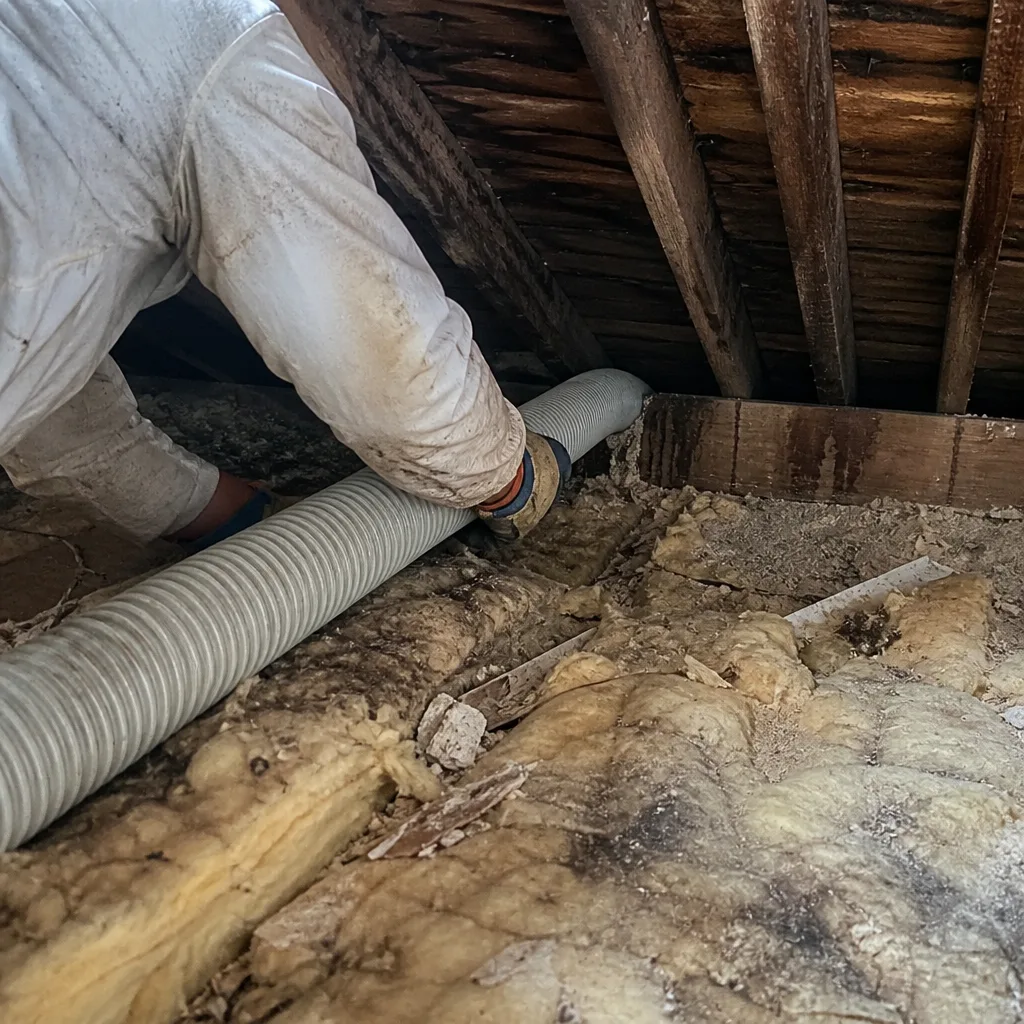 Before
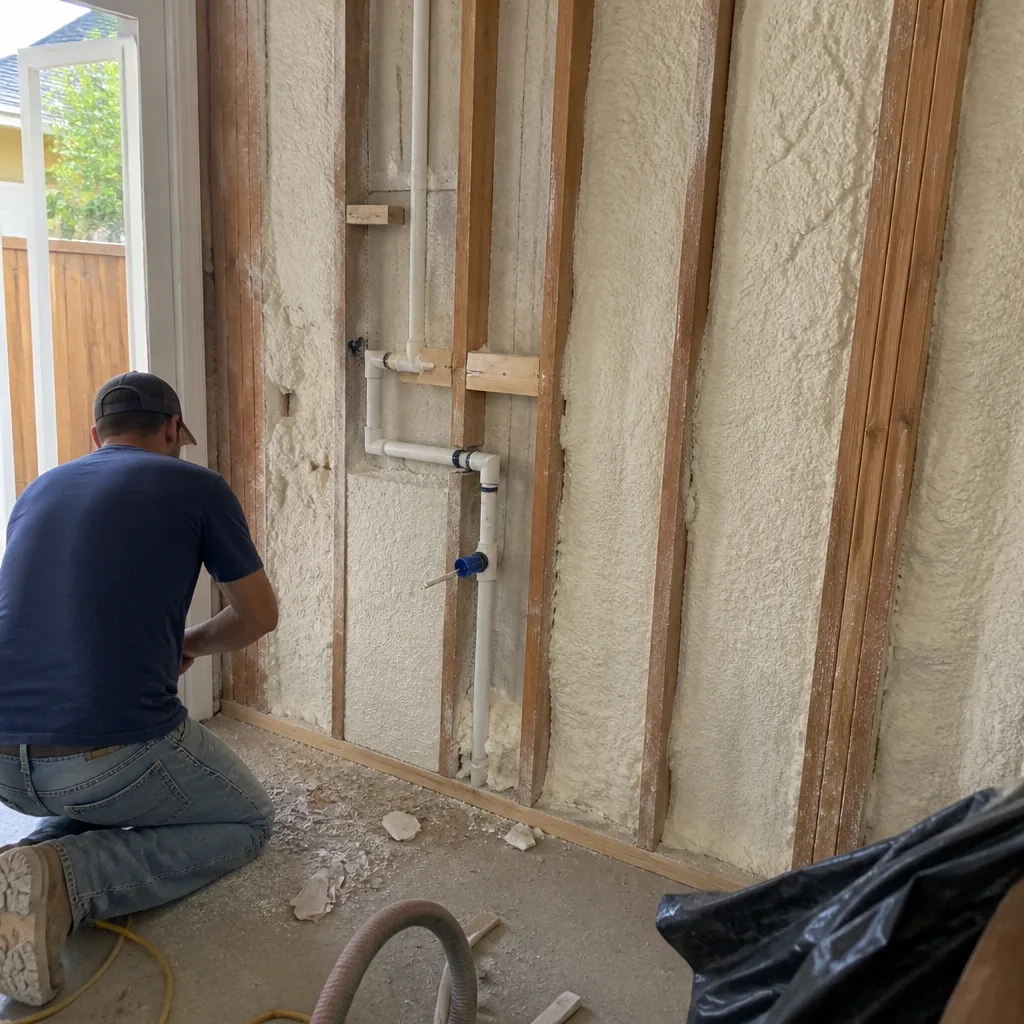 After
AfterWhy New Braunfels Climate Zone 2 Changes Everything
Most online insulation guides lump New Braunfels into “Central Texas” and cite Climate Zone 3 requirements. That’s wrong. Our city sits in IECC Climate Zone 2, mixed-hot-humid, and the distinction matters for every material choice you make.
Zone 2 has fewer heating degree days than Zone 3 and significantly higher summer moisture loads. The code requires R-38 in wood-framed attics here, same as Zone 3, but the moisture management strategy is reversed. In northern climates, vapor retarders go on the warm-in-winter side, the interior. In New Braunfels, where cooling dominates and summer humidity pushes inward, Class I or II vapor retarders on the interior of an air-conditioned wall or ceiling can trap moisture and breed mold. We see this mistake regularly in homes built by out-of-state crews or renovated by contractors who learned their trade in dryer climates.
The local geography compounds the issue. New Braunfels sits at the edge of the Texas Hill Country with the Comal and Guadalupe rivers running through, plus the spring-fed Comal system that keeps groundwater levels high through most of the year. Summer dew points in July and August routinely hit 72°F to 76°F. When that humid air hits a cool air-conditioned surface, condensation forms. Without proper envelope design, that condensation happens inside your walls or attic.
Neighborhoods like Vintage Oaks, River Chase, and the historic districts near downtown each present different envelope challenges. The newer builds in Veramendi have tighter initial construction but often lack proper attic air sealing. The older homes in Comaltown or near Landa Park may have balloon framing or no insulation at all in walls, with decades of moisture cycling already in the sheathing. A guide that doesn’t account for these local variables is worse than useless; it leads to material choices that fail prematurely.
Key implications for Zone 2:
- Vapor retarder placement: exterior or omitted entirely on cooling-dominated assemblies, never interior-side Class I in air-conditioned spaces
- Attic ventilation strategy: vented attics remain common, but unvented conditioned attics with spray foam insulation in New Braunfels are increasingly specified for complex rooflines
- Crawl space approach: vented crawl spaces perform poorly here; sealed crawl spaces with vapor barriers or full encapsulation are preferred
- Insulation priority: air sealing outweighs incremental R-value gains in our climate
Air Sealing First: The Blower-Door Test Explained
We won’t specify insulation for any New Braunfels home until we’ve run a blower-door test, a pressurization reading that shows, in one number, how much air your building envelope is losing. The test depressurizes the house to -50 Pascals and measures airflow in cubic feet per minute, the CFM50 figure. A typical 2,000-square-foot home in New Braunfels with no air sealing reads 3,500 to 5,500 CFM50. After comprehensive sealing, we target 2,000 CFM50 or lower, depending on the home’s size and construction type.
The test reveals what you cannot see. In a 2019 job in the Oak Run subdivision, the blower-door reading was 4,800 CFM50. Visual inspection showed adequate blown fiberglass depth. But infrared imaging during the test revealed a continuous thermal bypass where the top plates of interior walls met the attic, pulling conditioned air directly into the vented attic space. The insulation was doing almost nothing because the air was moving around it, not through it.
Our process, on every job:
- Pre-test baseline: We run the blower door before touching anything. You get this number in writing.
- Leak detection: With the house under pressure, we use theatrical fog and infrared cameras to map every penetration, top plate gap, can light, wire hole, and duct boot leak.
- Sealing execution: We seal top plates with polyurethane foam or acoustic sealant, box can lights with fire-rated covers and sealant, gasket electrical boxes, and seal all duct penetrations.
- Post-test verification: We run the blower door again. The CFM50 reduction is documented and delivered with your job packet.
Under Haven Standard: Arrive on schedule, you get a named technician and a text when they are on the way. The blower-door numbers are part of your Documented Photo Record, included on every job, not available on request.
We’ve completed this process in over 9,000 homes since 2016. Every one started with a written price before work started and ended with a documented record when the crew left. The blower-door test is non-negotiable because without it, you’re guessing at the problem and hoping the insulation covers it.
Insulation Materials Compared for South Texas Humidity
R-value per inch is the number everyone quotes, but in New Braunfels, moisture tolerance and air impermeability matter more. Here’s how the common materials perform in our actual conditions.
| Material | R-value/inch | Moisture Tolerance | Air Barrier? | Best Application in Zone 2 |
|---|---|---|---|---|
| Open-cell spray foam (Icynene, Demilec) | ~3.6 | Permeable, allows drying | Yes, at 3.5″+ | Attic floors, roof decks in conditioned attics |
| Closed-cell spray foam | ~6.5 | Impermeable, vapor barrier | Yes | Crawl space walls, rim joists, limited wall cavities |
| Blown fiberglass (CertainTeed, Owens Corning) | ~2.5 | Highly tolerant, dries quickly | No | Vented attics with comprehensive air sealing first |
| Mineral wool (Rockwool) | ~4.0 | Extremely tolerant, hydrophobic | No | Exterior walls, fire-blocking, sound control |
| Cellulose (GreenFiber) | ~3.2 | Moderate, treated for fire/mold | Slight reduction | Attic floors with excellent air sealing and moisture control |
Open-cell spray foam from Icynene or Demilec is our most specified material for conditioned attics in New Braunfels. It’s vapor-permeable, which means if moisture does get in, it can dry to the interior. That’s critical in our climate. Closed-cell, by contrast, is a vapor barrier. Used on the wrong side of an assembly, it can trap moisture. We use closed-cell selectively: crawl space walls where we want to block ground moisture, rim joists where air sealing and structural rigidity both matter.
Blown fiberglass from CertainTeed or Owens Corning remains cost-effective for vented attics, but only after air sealing. The material itself doesn’t stop air movement. We’ve removed too many jobs where previous contractors blew 20 inches over a leaky floor and called it done-often after a homeowner chose DIY over professional installation. The homeowner got a high R-value on paper and a high electric bill in reality.
Rockwool mineral wool has become our preference for exterior wall retrofits where we’re dense-packing from the exterior. It’s hydrophobic, won’t support mold growth, and provides excellent sound attenuation between units in the multifamily work we do near the Gruene Historic District. Its higher density also means less settling over time compared to fiberglass batts.
The material choice should follow the assembly design, not precede it. In New Braunfels, that design starts with moisture flow analysis, not R-value shopping.
Attic Insulation: What the IRC Requires and What We Actually Install
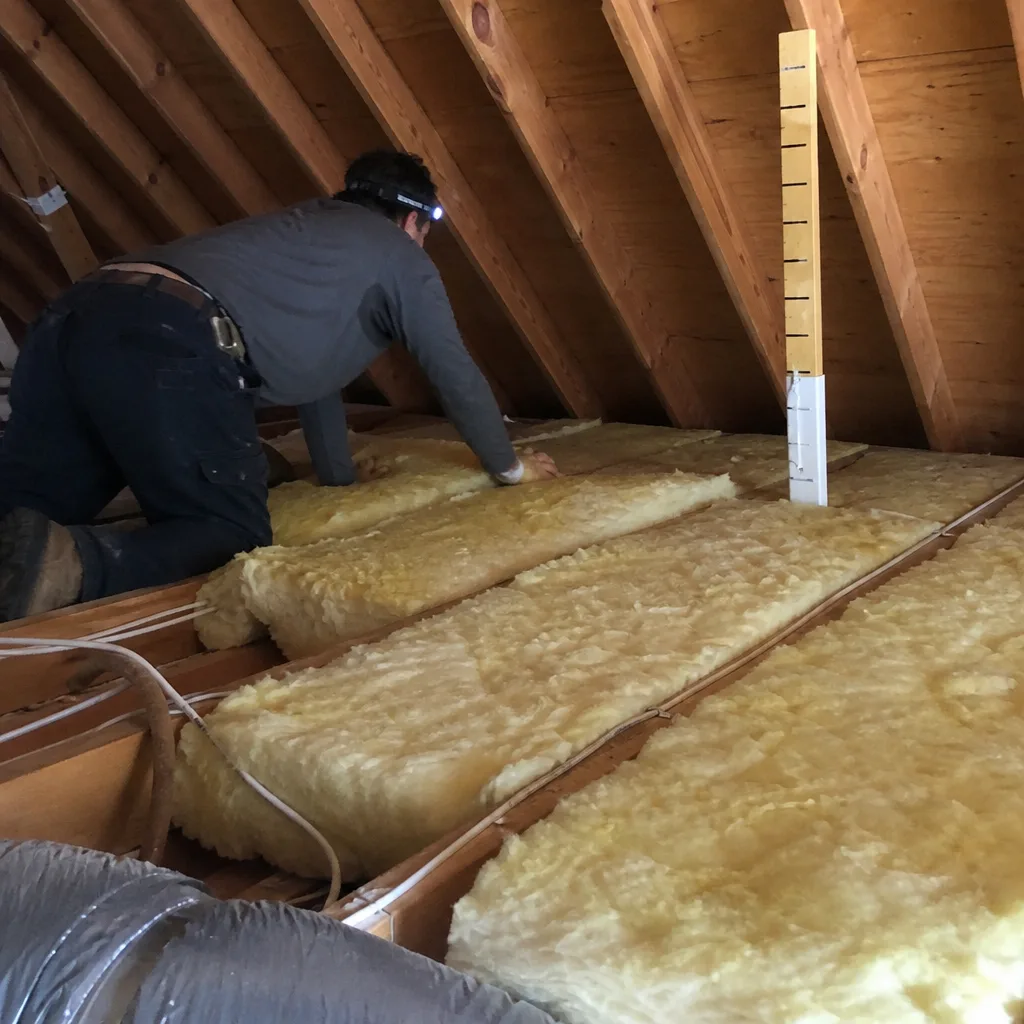
The 2021 IRC, adopted with local amendments in Comal County, specifies R-38 minimum for wood-framed attics in Climate Zone 2. That’s the floor, not the recommendation. In practice, most attic insulation in New Braunfels homes we work on end up between R-38 and R-49, with the final depth determined by the blower-door result and the roof assembly type.
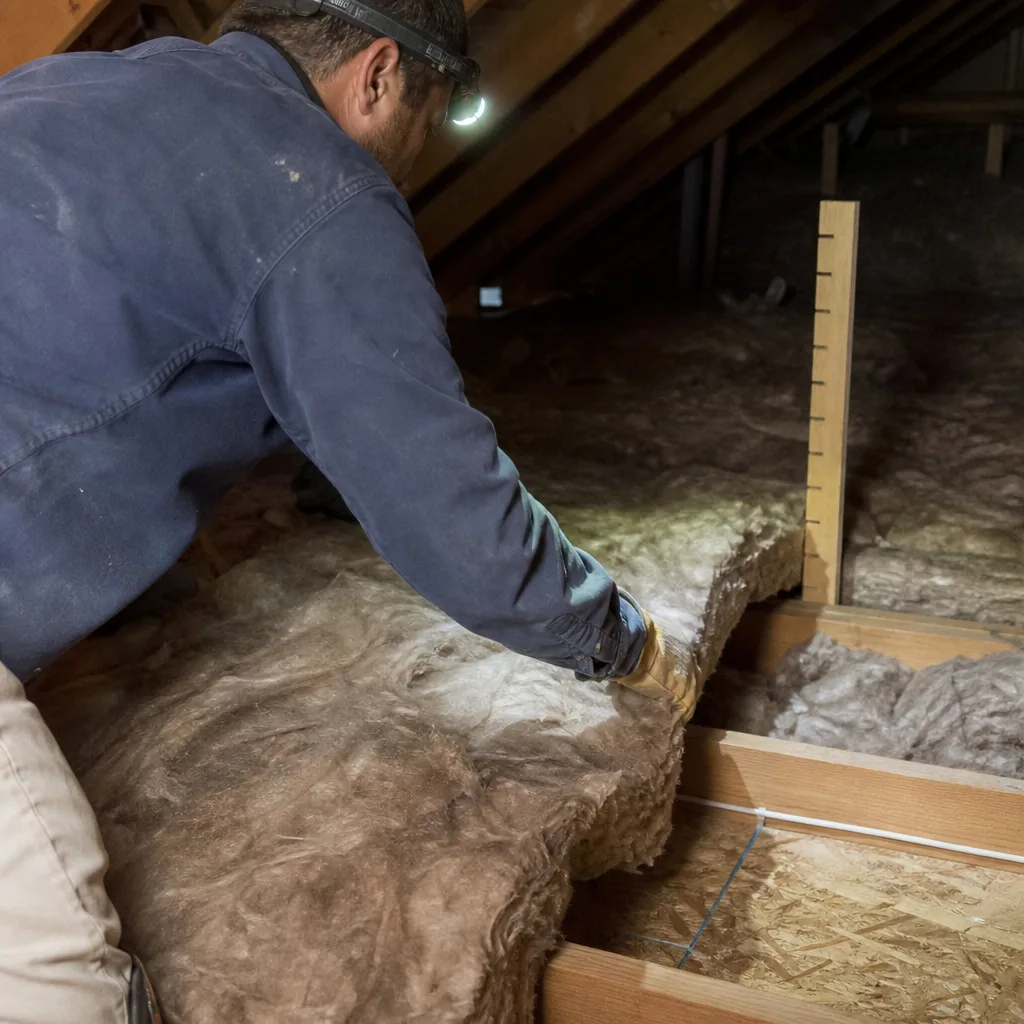
For vented attics with traditional shingle roofs, our standard install after air sealing is blown fiberglass to R-49, settled depth. We mark truss chords at the target depth so the homeowner can verify with a ruler. The installed-depth photos are part of your Documented Photo Record.
For complex rooflines with dormers, multiple valleys, or HVAC equipment in the attic, we often specify an unvented conditioned attic with open-cell spray foam applied directly to the roof deck. This eliminates the thermal bypass around kneewalls and dropped ceilings that plague Cape Cod-style renovations in neighborhoods like Copper Ridge. The attic becomes part of the conditioned space, typically held at 78°F to 80°F rather than 140°F in August.
Radiant barrier installation is frequently requested in New Braunfels, and we install it where appropriate. It works by reducing radiant heat gain from the roof deck, not by adding R-value. In vented attics with good insulation depth, a properly installed radiant barrier can reduce cooling loads 5% to 10%. We use perforated products that don’t create vapor barriers where they’re not wanted. In conditioned attics with spray foam, radiant barrier is redundant; the foam handles both conductive and convective loads.
Common attic problems specific to our area:
- Wind-washing at eaves: New Braunfels gets sustained south winds in spring and fall. Without proper baffles, that wind blows through loose-fill insulation at the eaves, stripping heat in winter and introducing humidity year-round.
- Duct leakage in vented attics: Flex duct in a 130°F attic with 20% leakage is dumping your conditioned air outside the envelope. We seal with mastic, not tape, and test with the blower door.
- Recessed can lights: Old-style non-IC cans are open chimneys to the attic. We box and seal them, or replace with IC-rated airtight LED housings.
In a 2022 job near Fischer Store Road, the homeowner had added R-60 blown fiberglass themselves after watching online videos. The blower-door test showed 5,200 CFM50, nearly unchanged from their pre-insulation baseline. We removed none of the fiberglass. We air-sealed for two days, dropped the reading to 2,400 CFM50, and their summer cooling bill fell 34% the following August. The insulation was fine. The envelope was the problem.
Crawl Spaces and Vapor Barriers in New Braunfels
New Braunfels has a high water table, porous limestone geology, and summer conditions that keep crawl space relative humidity above 80% for weeks at a time. Vented crawl spaces with dirt floors are a moisture pump directly into the home. We’ve measured 90% relative humidity in vented crawl spaces in July while outdoor air was 75% RH. The ground is the source.
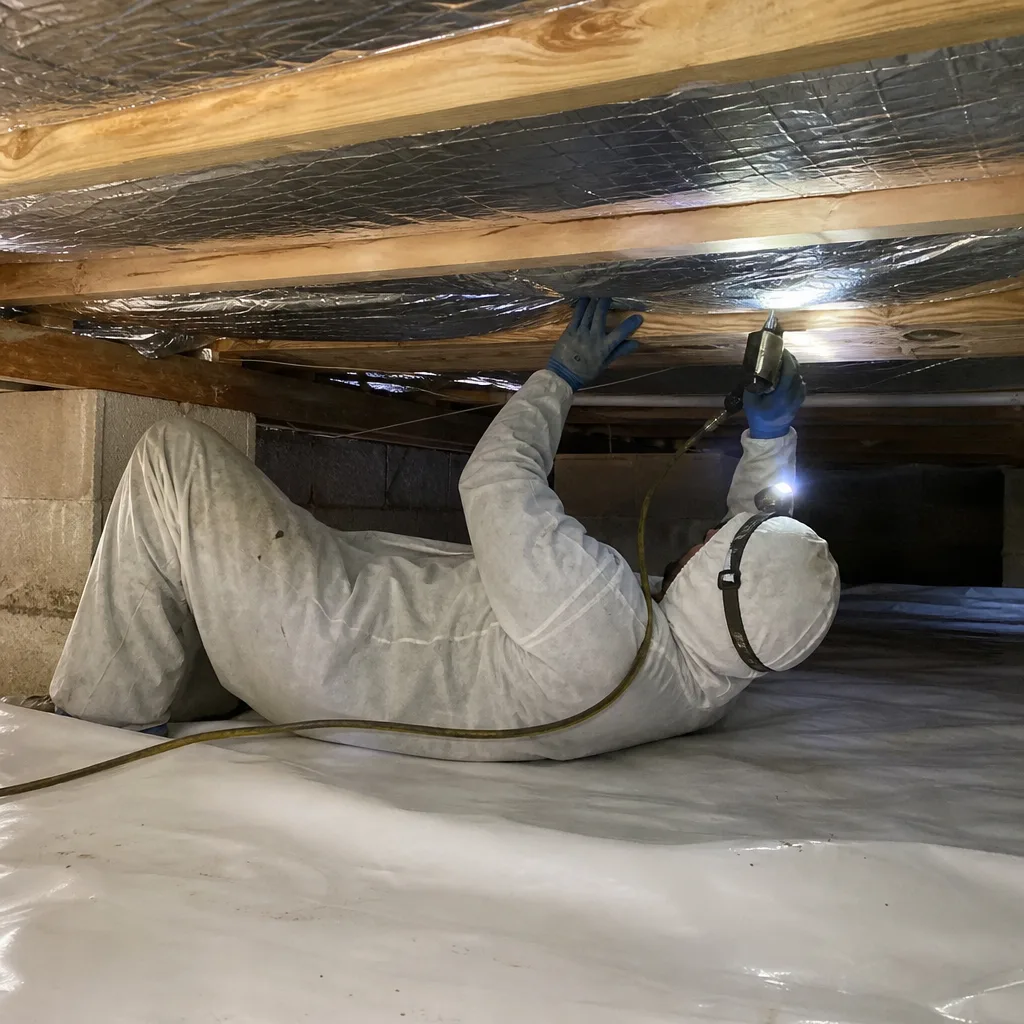
Crawl space encapsulation and vapor barrier in New Braunfels is not an upsell here. It’s often the single most impactful improvement for homes with crawl space construction, which includes much of the pre-1990 housing stock near downtown and in the original River Road area.
Our encapsulation protocol:
- Ground preparation: Grade and remove debris. Address any standing water or drainage issues first.
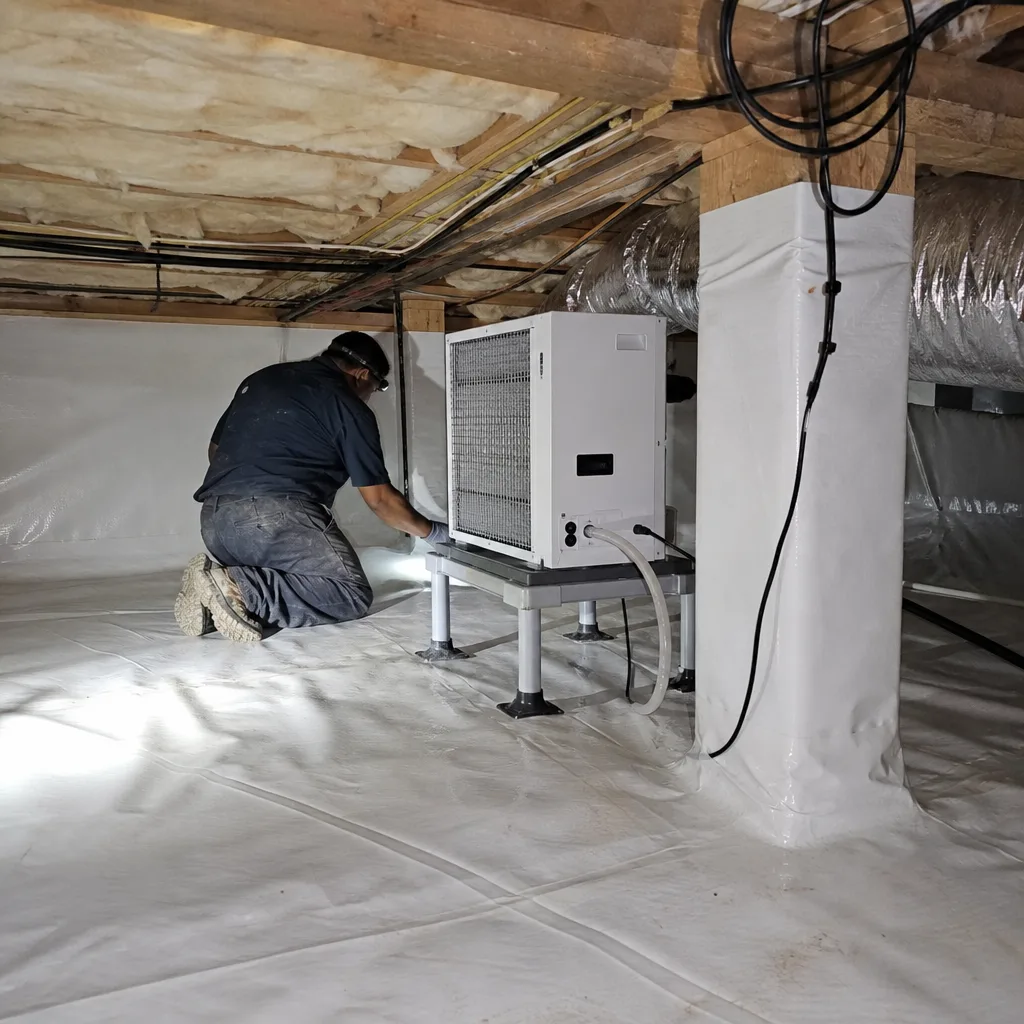
- Vapor barrier installation: 12-mil reinforced polyethylene minimum, sealed at seams with pressure-sensitive tape, run up walls to grade level, and mechanically fastened.
- Wall insulation: Closed-cell spray foam or rigid XPS on foundation walls, typically R-10 to R-15.
- Conditioning: Dehumidifier set to 55% RH, or supply air from the HVAC system with a return path.
- Air sealing: Rim joists, plumbing penetrations, and subfloor gaps sealed before any insulation contact.
The result is a sealed crawl space that performs as a semi-conditioned zone, typically 65°F to 75°F year-round with humidity controlled. Floor insulation becomes secondary or unnecessary; the entire volume is now inside the envelope.
We do not recommend fiberglass batts in crawl space floors in New Braunfels. They sag, collect moisture, and become mold substrates. We’ve removed thousands of square feet of degraded pink batts from crawl spaces in the Sherwood Forest and Forest Waters areas. The batts were doing negative work, trapping moisture against the subfloor.
Under Haven Standard Clause 1: flat price, written scope, written warranty before anyone lifts a tool. For a detailed insulation cost breakdown, crawl space encapsulation typically runs $8,000 to $15,000 for a 1,500-square-foot footprint in the New Braunfels market, depending on access, existing conditions, and whether drainage work is needed. We provide that written price after inspection, not after starting demolition.
Wall Insulation and Retrofit Options
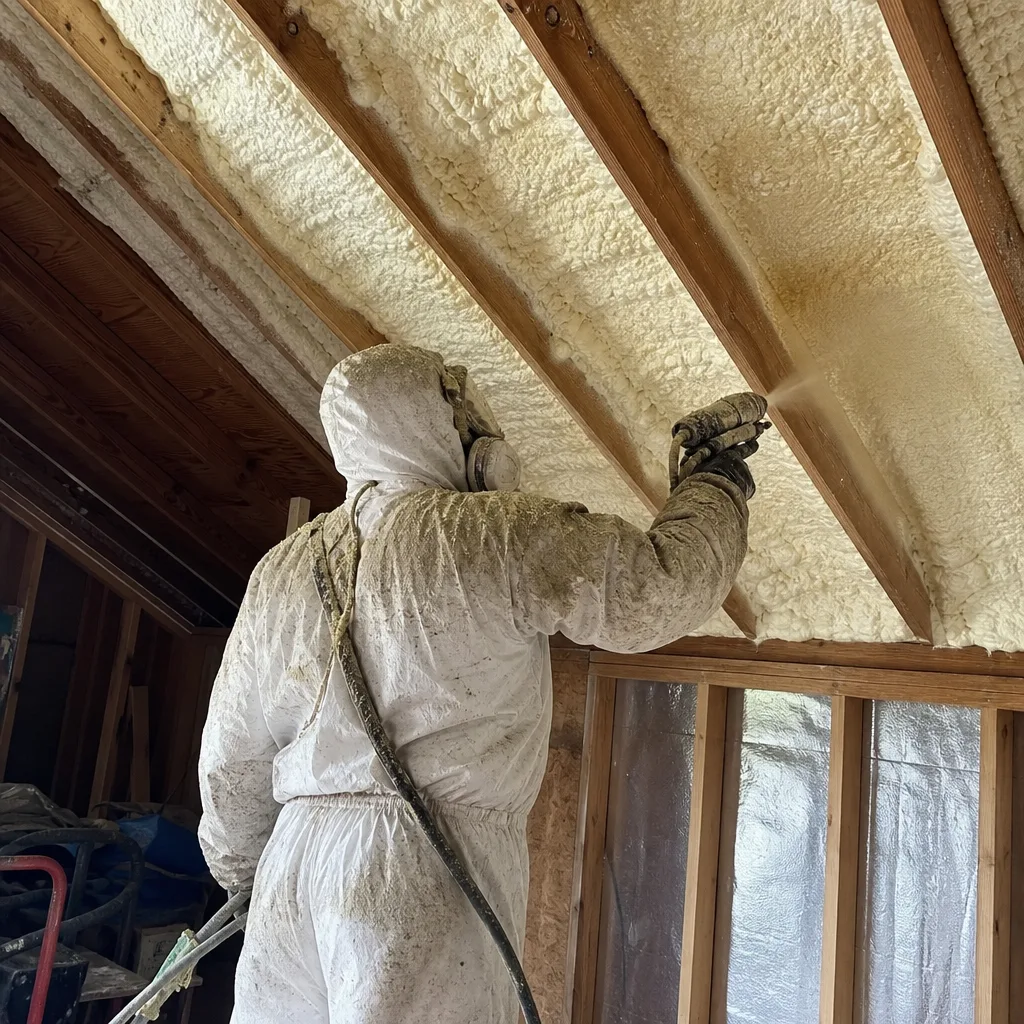
New construction walls in Climate Zone 2 are straightforward: 2×6 framing with R-19 or R-21 batts, or 2×4 with continuous exterior insulation. The code minimum is R-13 for 2×4, R-20 for 2×6. Most production builders in developments like Meyer Ranch and West Village are hitting R-21 with batts plus minimal exterior foam.
The harder problem is existing walls. Homes built before 1980 in New Braunfels often have no wall insulation at all. The clapboard and brick homes near Landa Park, the frame houses in Comaltown, and the mid-century ranchers near Loop 337 all present the same challenge: how to insulate without gutting the interior.
Our retrofit approaches, ranked by invasiveness and performance:
- Dense-pack cellulose or fiberglass from exterior: We remove a row of siding, drill sheathing, and blow material into the cavity at 3.5 pounds per cubic foot for cellulose, achieving a slight settling resistance and air-flow reduction. Best for homes with accessible siding and intact interior plaster or drywall.
- Injected foam from interior: Slow-rise open-cell foam injected through 5/8-inch holes drilled in drywall. The foam expands to fill the cavity, then we patch and paint. Best for homes where exterior access is limited by brick or stone veneer.
- Exterior rigid foam plus re-siding: 1 to 2 inches of XPS or polyiso over sheathing, taped seams, then new siding. This breaks thermal bridging and adds R-value, but requires full siding replacement. Most cost-effective when siding is already due for replacement.
Moisture management is critical in retrofits. We never dense-pack a wall cavity without verifying that it can dry. In New Braunfels, that means checking for interior vapor retarder paint (common in 1950s homes, problematic now), verifying that the exterior cladding can breathe, and ensuring that any existing moisture damage is repaired first. We’ve opened walls in historic homes where decades of humidity cycling had degraded the sheathing to pulp. Insulating over that damage seals in the problem.
For homes with original knob-and-tube wiring still active, we do not insulate the walls until electrical upgrade is complete. That’s a safety and code issue, not a preference.
What Documentation You Should Have After the Job
A compliant insulation installation in New Braunfels should leave you with a packet of documentation that proves what was done, with what materials, and to what performance standard. Under the Haven Standard, this is mandatory, not optional. Here’s what you should expect:
- Written scope of work: Signed before work begins, detailing every assembly, material specification, and target performance metric.
- Written price: Flat price, no change orders without written amendment. Haven Standard Clause 1.
- Written warranty: The 365-Day Done Right Promise - if it’s not done right, we make it right - plus manufacturer warranties on materials.
- Before-and-after blower-door readings: CFM50 baseline and post-sealing result, with ACH50 (air changes per hour at -50 Pa) calculated for your home’s volume.
- Installed-depth photos: Rulers or marked trusses visible, showing settled depth in multiple attic locations.
- Product data sheets: Manufacturer specifications for the actual lot of material installed, including R-value, density, and fire rating.
- Photo record of air sealing: Pre-insulation photos of sealed top plates, boxed can lights, gasketed penetrations.
The ACH50 reading is particularly important. It normalizes the blower-door result for house size. A 5,000-square-foot home and a 1,500-square-foot home can have the same CFM50 but very different leakage rates relative to their volume. The Passive House standard targets 0.6 ACH50. A typical existing New Braunfels home starts at 8 to 15 ACH50. Our air sealing targets 3 to 5 ACH50 for retrofits, which is tight enough to see major efficiency gains without requiring mechanical ventilation in most cases.
If your contractor handed you an invoice and a verbal assurance, you don’t have documentation. You have exposure. The Haven Standard exists because we’ve seen too many jobs where the homeowner couldn’t prove what was promised, what was delivered, or what to expect if it failed.
What Insulation Costs in the New Braunfels Market
We publish ranges because most attic insulation jobs in a home this size run between $2,800 and $6,500 for air sealing plus blown fiberglass to R-38 or R-49. The variable is almost always the air sealing scope, not the insulation depth. A home with 40 can lights, multiple HVAC penetrations, and balloon framing takes longer to seal than a simple truss attic with minimal penetrations.
Typical New Braunfels market ranges for completed jobs:
| Service | Typical Range | What Drives Price |
|---|---|---|
| Attic air sealing + blown fiberglass (R-38 to R-49) | $2,800 - $6,500 | Attic square footage, penetration count, access difficulty |
| Open-cell spray foam, conditioned attic (roof deck) | $8,000 - $18,000 | Roof pitch, square footage, thickness specified |
| Crawl space encapsulation with vapor barrier | $8,000 - $15,000 | Footprint, access, drainage needs, dehumidifier size |
| Wall insulation retrofit (dense-pack or injected foam) | $3,500 - $8,000 | Linear feet of wall, siding type, interior patching scope |
| Insulation removal and replacement | $2,000 - $5,000 plus new install | Contamination level (rodent, smoke, water), volume |
These are installed prices with materials, labor, and documentation included. We do not quote by the square foot because that rewards cutting corners on air sealing. A written price before any work starts means we inspect, measure, and specify before you commit.
Free Second Opinion on Any Written Estimate: bring us a competing quote; we will read it with you. We’ll point out what’s specified, what’s omitted, and where the scope differs from what we’d deliver. No charge, no obligation. We’ve found estimates that specified R-19 in a 2×6 cavity (compression loss to ~R-14), estimates with no air sealing scope at all, and estimates that quoted “up to R-38” with no verification method. The written price protects you when you know what to compare.
Materials sourced from Owens Corning, Johns Manville, Knauf, Rockwool, CertainTeed, Icynene, Demilec, and GreenFiber. No proprietary product lock-in. We specify what performs for your assembly, not what we have a margin agreement on.
Common Mistakes to Avoid
- Installing insulation over unsealed attic floors: This is the most common error we correct. The insulation becomes a filter for dust and a bridge for moisture, while conditioned air continues to escape around it.
- Interior vapor retarders in air-conditioned spaces: Polyethylene sheeting on the interior of a New Braunfels wall traps summer humidity against the drywall. We’ve removed moldy drywall where this was done “to code” by a contractor from a northern climate.
- Ignoring the crawl space: In neighborhoods near the Comal River with high water tables, a vented crawl space with no vapor barrier is actively degrading your floor system. The musty smell isn’t “old house character.” It’s mold.
- Speculating on R-value without blower-door data: A home at 8 ACH50 needs air sealing before it needs more R-value. Adding insulation to a leaky envelope is like adding a thicker sweater with the zipper down.
- Using the wrong foam type: Closed-cell spray foam on the interior of a roof deck in our climate can trap moisture and rot sheathing. Open-cell is specified for roof decks specifically because it allows drying.
- Accepting “contact us for pricing”: You cannot compare scopes without written specifications. A verbal range is not a commitment; it’s a fishing expedition.
- Skipping documentation: If your contractor won’t provide installed-depth photos, blower-door numbers, and product data sheets, you have no recourse if performance doesn’t match promise.
When to Call a Professional
Call a professional when your summer cooling bills exceed $300 for a home under 2,500 square feet, when you feel drafts from outlets and baseboards in winter, when your attic access hatch falls open because the pressure differential is that strong, or when your crawl space smells like a basement that never dries. For more guides & resources, see our blog. These are symptoms of envelope failure, not equipment failure.
Call when you’re considering any insulation project and the contractor won’t commit to a blower-door test, won’t put the scope and price in writing before work starts, or can’t explain why they’re specifying one material over another for your specific assembly. Topside Attic Insulation New Braunfels offers free estimates in New Braunfels. Call (830) 243-6352. A live person answers, 24/7. No voicemail loops, no callback windows measured in business days.
Frequently Asked Questions
Most attic insulation jobs in New Braunfels run between $2,800 and $6,500 for air sealing plus blown fiberglass to R-38 or R-49, with the final price driven by attic square footage, the number of penetrations to seal, and access difficulty. Spray foam conditioned attics typically range $8,000 to $18,000. Call (830) 243-6352 for a written price on your specific home - estimates are free.
Repair is rarely cost-effective if the existing insulation is compressed, contaminated, or installed over an unsealed attic floor. In our experience, patching degraded material costs nearly as much as removal and replacement while delivering inferior performance. We assess contamination level, depth, and air sealing status before recommending. Call (830) 243-6352 and we’ll inspect at no charge.
No, and you shouldn’t want us to. We provide a written price after inspection, not before. Same-day installation without proper blower-door testing and scope development means corners are being cut. Under Haven Standard, every job begins with a written price and scope before any work starts. Most jobs are scheduled within one to two weeks of quote acceptance.
New Braunfels is in IECC Climate Zone 2, mixed-hot-humid, while much of Austin and northern San Antonio falls in Zone 3. Zone 2 has higher summer moisture loads and different vapor retarder requirements. Contractors applying Zone 3 specifications here may install interior vapor barriers that trap humidity, or specify ventilation strategies that perform poorly in our dew point conditions. The Comal County building envelope demands Zone 2-specific design.
A blower-door test is a pressurization reading that shows, in one number, how much air your building envelope is losing. We depressurize your home to -50 Pascals and measure airflow in CFM50. You need one because without it, you’re guessing at the problem. We’ve tested homes with R-60 attic insulation that leaked 4,500 CFM50. The insulation was irrelevant. The envelope was the problem. Every job we specify begins with this test.
In New Braunfels, correct vapor barrier placement depends on the assembly. In vented attics, you typically want no interior vapor retarder on the ceiling, allowing drying toward the attic. In crawl spaces, the vapor barrier goes on the ground, sealed at seams, running up walls. In walls, Class I or II interior vapor retarders are generally wrong for our cooling-dominated climate. If your contractor applied polyethylene sheeting to the interior of your walls “because that’s how we always do it,” you likely have a problem. We can assess and specify correction.
The Bottom Line
Insulation in New Braunfels fails when it’s specified for the wrong climate zone, installed over an unsealed envelope, or documented with nothing but an invoice. The right approach starts with a blower-door test to measure actual air leakage, specifies materials rated for Zone 2 humidity, and delivers a packet of documentation you can reference if performance doesn’t match promise. R-value matters, but air sealing matters more. Vapor retarder placement matters. Material moisture tolerance matters. And written price, written scope, written warranty before any work starts isn’t a marketing phrase - it’s the Haven Standard we’ve operated under since 2016.
Written by Wes Okafor, Owner at Topside Attic Insulation New Braunfels, serving New Braunfels since 2016.