
Last updated September 24, 2026
Insulation Warning Signs: A New Braunfels Homeowner’s Reference Guide
If a room in your New Braunfels home is consistently 4°F or more warmer than the thermostat setting during a Texas summer afternoon, the problem is almost never the HVAC system. It’s a broken insulation plane directly above that space, and no refrigerant recharge will fix it. Most online guides list visible damage - wet batts, missing sections, rodent nests - but the costliest insulation failures in Comal County homes present as performance anomalies first: rooms that won’t hold temperature, humidity that climbs after 6 PM, or HVAC runtimes that doubled after a re-roof. For a deeper dive into local best practices, see our Complete Guide to Insulation in New Braunfels. This guide connects observable symptoms to their specific insulation-system causes, using tools you already own or can buy for under $20.
Quick Answer
The most reliable insulation warning signs in New Braunfels homes are: ceiling surface temperature variations exceeding 6°F between rooms (measured with an IR thermometer), cooling-season electric bills that jump 15-25% year-over-year without a rate increase, interior humidity rising above 60% after sunset, and HVAC systems that run continuously between 3 PM and 7 PM on days under 100°F. These symptoms indicate a compromised thermal boundary - typically at the attic floor plane - rather than HVAC equipment failure.
Table of Contents
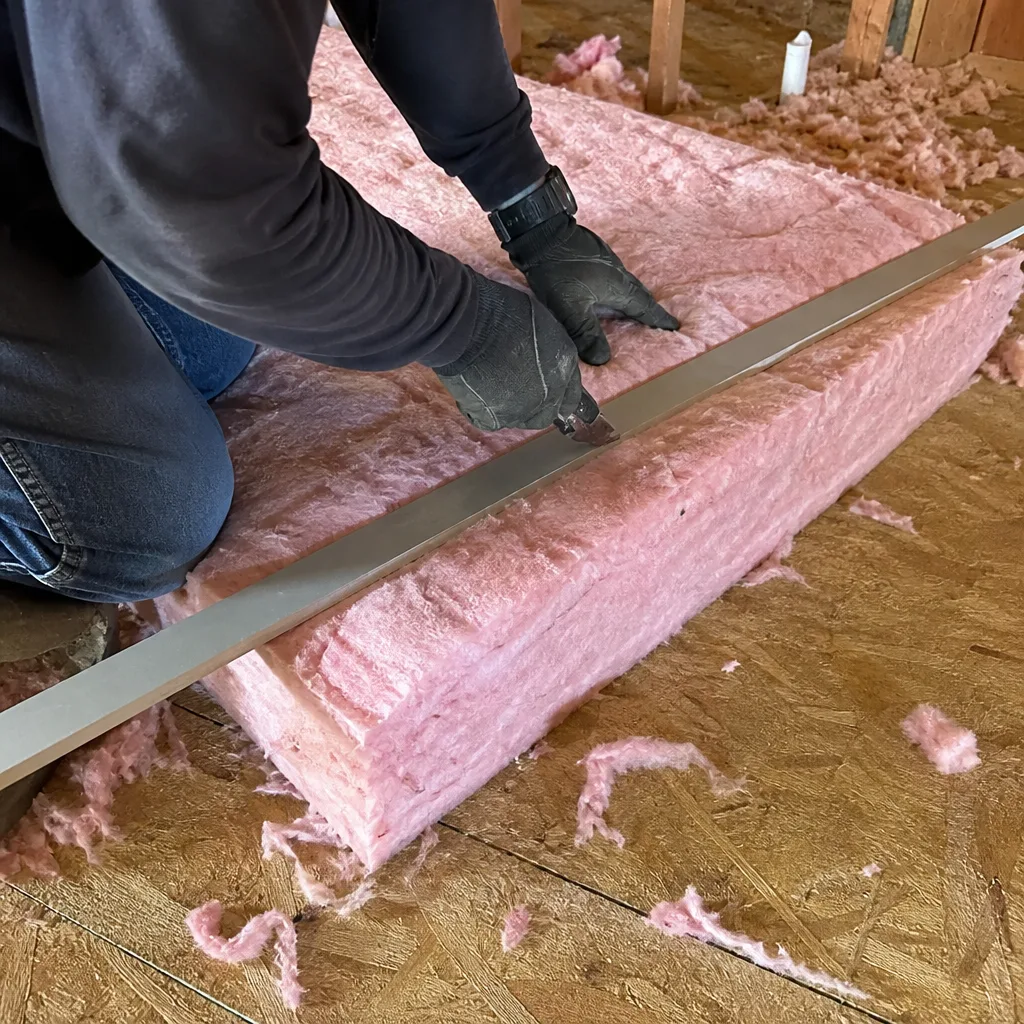
- The Room-Temperature Diagnostic: Mapping Your Ceiling with an IR Thermometer
- Electric Bill Pattern Analysis: When kWh Tells the Story
- Humidity Creep as an Insulation Symptom
- The Post-Re-Roof Warning Window
- Ice Dam Absence as a False Negative
- Visual Inspection: What to Look For in Your Attic
- System-Specific Warning Signs by Insulation Type
- Common Mistakes to Avoid
- When to Call a Professional
- Frequently Asked Questions
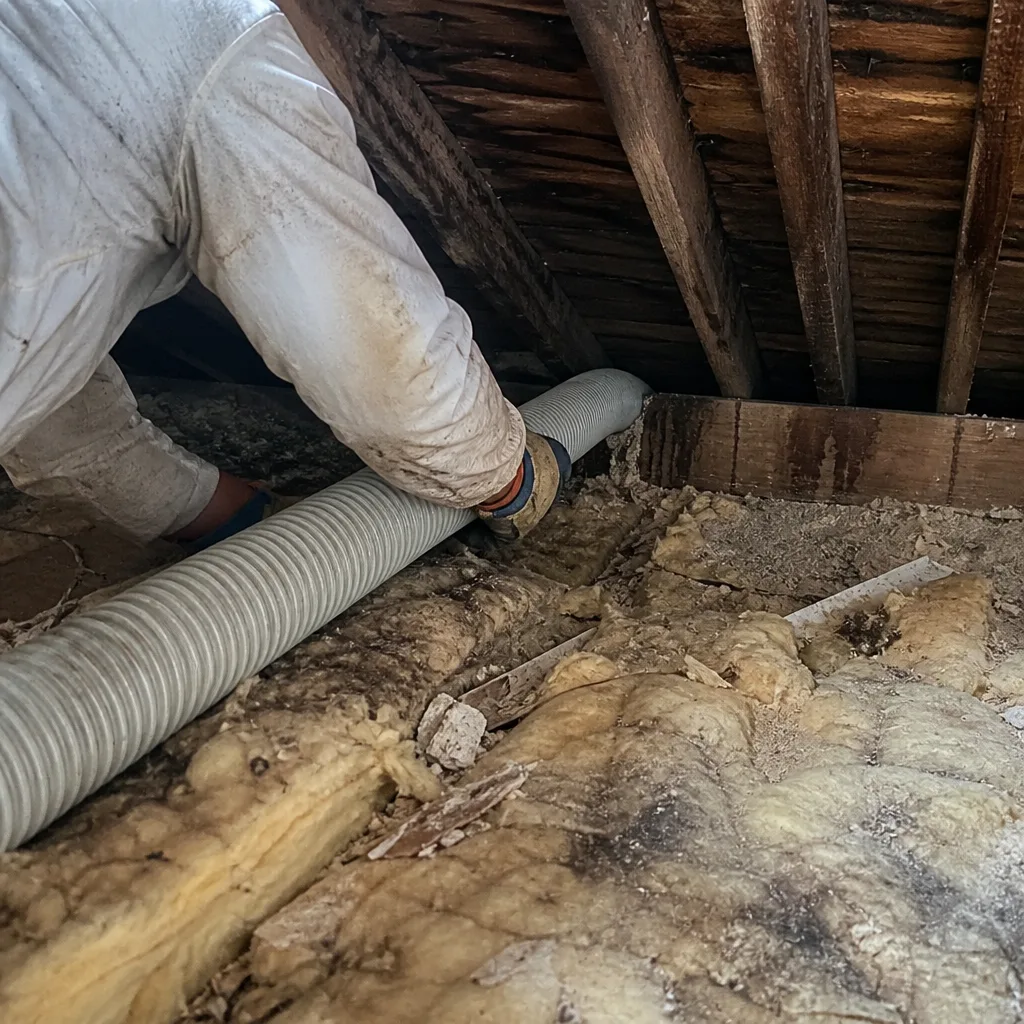 Before
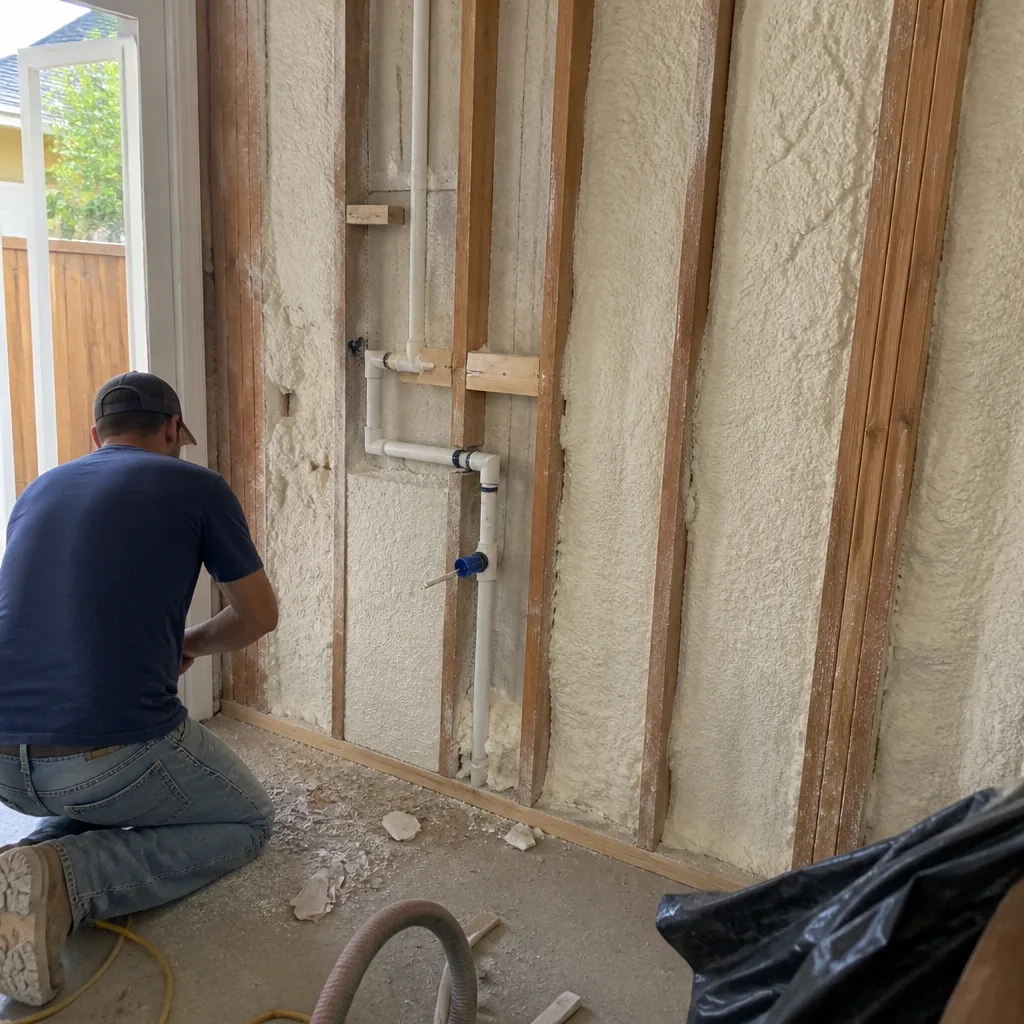 After
AfterThe Room-Temperature Diagnostic: Mapping Your Ceiling with an IR Thermometer
A $15 infrared thermometer from any hardware store in New Braunfels reveals what your thermostat hides. Point it at the ceiling in the center of each room, mid-afternoon, when attic temperatures peak. In a properly insulated home, ceiling surface temperatures should vary no more than 2-3°F between rooms. We’ve measured 12°F spreads in Gruene-area homes where blown-in fiberglass had settled away from eaves, creating thermal bypasses directly above master bedrooms.
Here’s the procedure we recommend:
- Wait for a sunny day when outdoor temperature exceeds 90°F. Attic temperatures in New Braunfels commonly reach 140-160°F under these conditions.
- Set your thermostat to 75°F and let the system run for 30 minutes to reach steady state.
- Starting at 3 PM, measure ceiling temperature at the center of each room, holding the IR thermometer perpendicular to the surface from a distance of 2-3 feet.
- Record the reading, the room name, and the time. Repeat at 6 PM to catch delayed thermal penetration.
- Flag any room whose ceiling reads 6°F or more above the coolest room in the house.
That temperature difference indicates a discontinuity in the insulation plane - settled material, a gap around a chase, or compression from stored boxes. In the Vintage Oaks neighborhood, we regularly find that south-facing upstairs bedrooms sit directly above attic areas where original R-30 batts were compressed to R-10 by walking boards laid for HVAC access. The IR thermometer finds this in five minutes; the homeowner has lived with it for three summers.
The diagnostic works because insulation’s job is to slow conductive heat transfer from attic to living space. Where the thermal resistance drops, the ceiling surface temperature rises toward attic ambient. An HVAC system can only overcome this with longer runtime; it cannot fix the root cause. We’ve documented this pattern in over 9,000 homes sealed and insulated since 2016 - every one with a written price before work started and a documented record when the crew left.
For homes with attic insulation in New Braunfels, the fix typically involves adding blown-in material to restore uniform depth, combined with air sealing of top plates and penetrations before any new insulation goes in. Sealed first, then insulated - in that order. Envelope will never blow insulation over an unsealed attic floor.
Electric Bill Pattern Analysis: When kWh Tells the Story
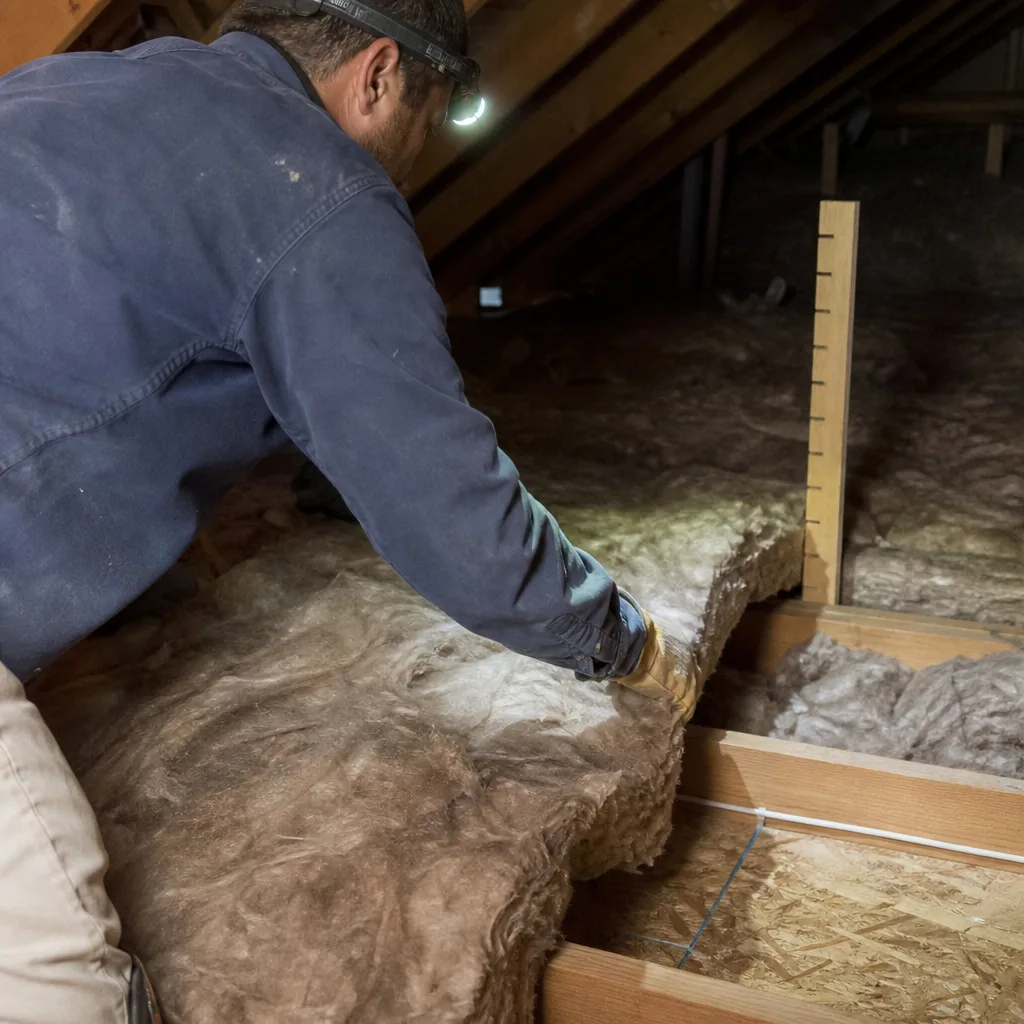
Your electric bill contains a year-over-year comparison that most New Braunfels homeowners ignore. Look at the kWh usage, not the dollar amount. A 15-25% increase in cooling-season consumption - June through September - with no corresponding rate change or lifestyle shift (new baby, home office, EV charging) indicates envelope degradation.
The pattern matters more than the absolute number. Here’s what specific curves suggest:
- Gradual climb over 3-4 years: Natural settling of blown-in material, particularly cellulose products like GreenFiber that lose 10-20% of loft in the first five years. In Canyon Lake-area homes with steeper roof pitches, we see accelerated settling where material migrates toward eaves.
- Sudden jump after a single month: Displacement event - roofing work, rodent activity, or a service technician who moved insulation to access ductwork and never restored it. The Documented Photo Record on every visit exists partly to prevent this; we photograph insulation depth before and after any attic work.
- High baseline that never drops: Original construction with inadequate R-value. Many New Braunfels homes built 2015-2020 were insulated to code minimum (R-30 attic) during the construction boom, with no air sealing performed. Code minimum and performance minimum are different things in a climate with 100+ days above 95°F.
The diagnostic threshold: if your July 2024 kWh exceeds July 2023 by more than 20%, and your thermostat setting stayed constant, request a blower-door test - a pressurization reading that shows, in one number, how much air your building envelope is losing. At Topside Attic Insulation New Braunfels, we publish before-and-after blower-door numbers on every applicable job so homeowners can verify the air-sealing result they paid for. A reading above 3,500 CFM50 in a home under 2,500 square feet indicates significant leakage, typically at the attic floor plane.
Materials from Owens Corning and Johns Manville, properly installed with adequate depth and sealed air barriers, typically reduce cooling-season kWh by 20-35% in New Braunfels homes with degraded existing insulation. The payback period runs 3-5 years at current CPS Energy rates.
Humidity Creep as an Insulation Symptom
Interior relative humidity above 60% after 6 PM - when the sun load drops but moisture persists - traces to compromised vapor control at the attic floor plane more often than HVAC sizing issues. This pattern confuses New Braunfels homeowners because the air conditioner still cools; it just doesn’t dehumidify adequately, and the house feels clammy.
The mechanism: warm, humid attic air leaks into conditioned space through gaps in the insulation plane, carrying moisture that the HVAC must then remove. In homes near the Guadalupe River or in the Comal River corridor, where outdoor dew points run 70-75°F for months, this leakage load overwhelms standard cooling equipment. The air conditioner runs longer, cools more, but the latent load (moisture) keeps coming.
Specific indicators that point to insulation-related humidity:
- Humidity rises after sunset, when attic ventilation slows and stack effect reverses
- Upstairs rooms feel worse than downstairs - the stack effect pulls attic air downward through ceiling penetrations
- Musty odor in closets or behind furniture against exterior walls - these are often located below attic kneewalls with missing or displaced insulation
- Surface mold on ceiling drywall corners - thermal bridging at framing members where insulation is thin or absent
In Solms and River Chase subdivisions, we’ve traced chronic humidity complaints to unsealed can light housings in vaulted ceilings - dozens of them, each leaking 10-20 CFM of attic air into conditioned space. The insulation batts around these fixtures were intact; the air leakage was the problem. Air sealing of top plates, can lights, and penetrations must be completed before any insulation is added.
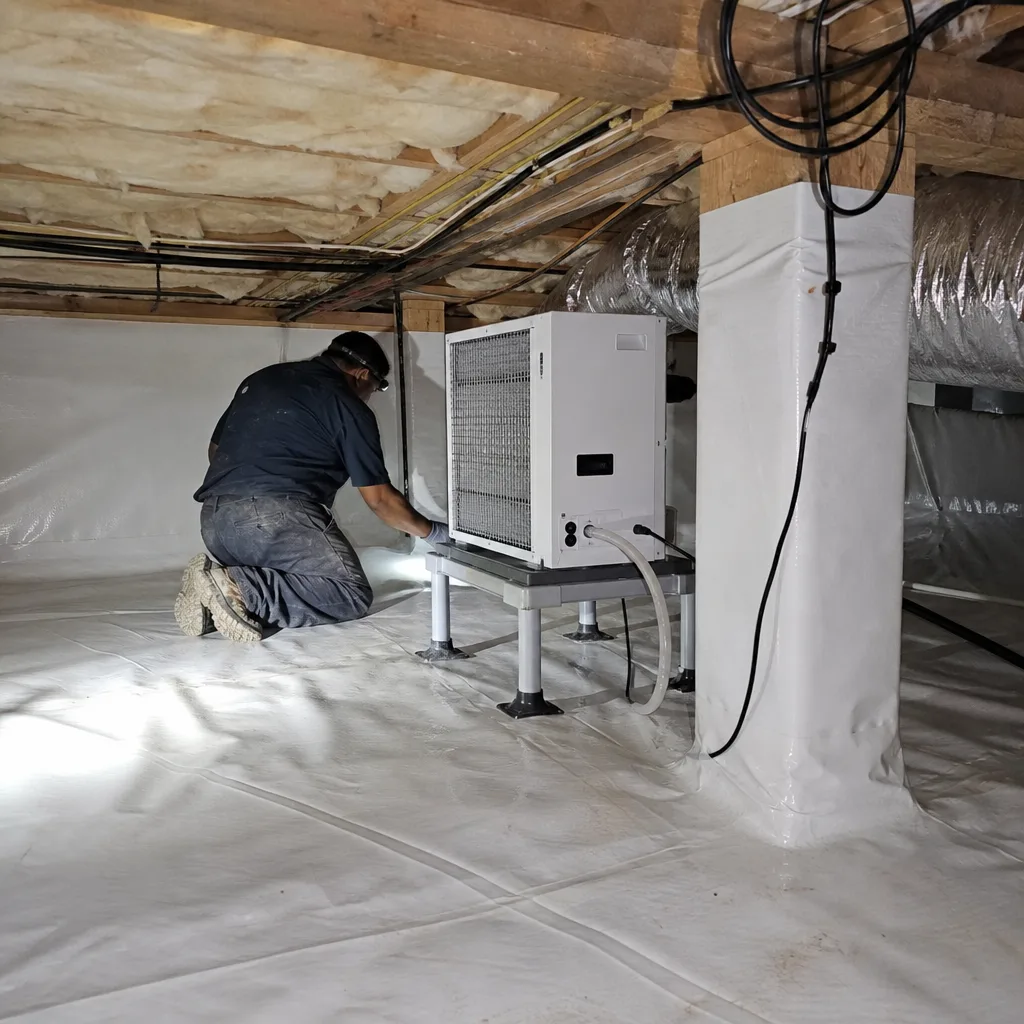
For crawl space encapsulation and vapor barrier in New Braunfels, humidity creep has a different origin: unsealed crawl spaces that introduce ground moisture directly into the building envelope. The symptom pattern is similar - high interior humidity, musty odors, floor-level mold - but the fix addresses the crawl space vapor barrier, not the attic.
The Post-Re-Roof Warning Window
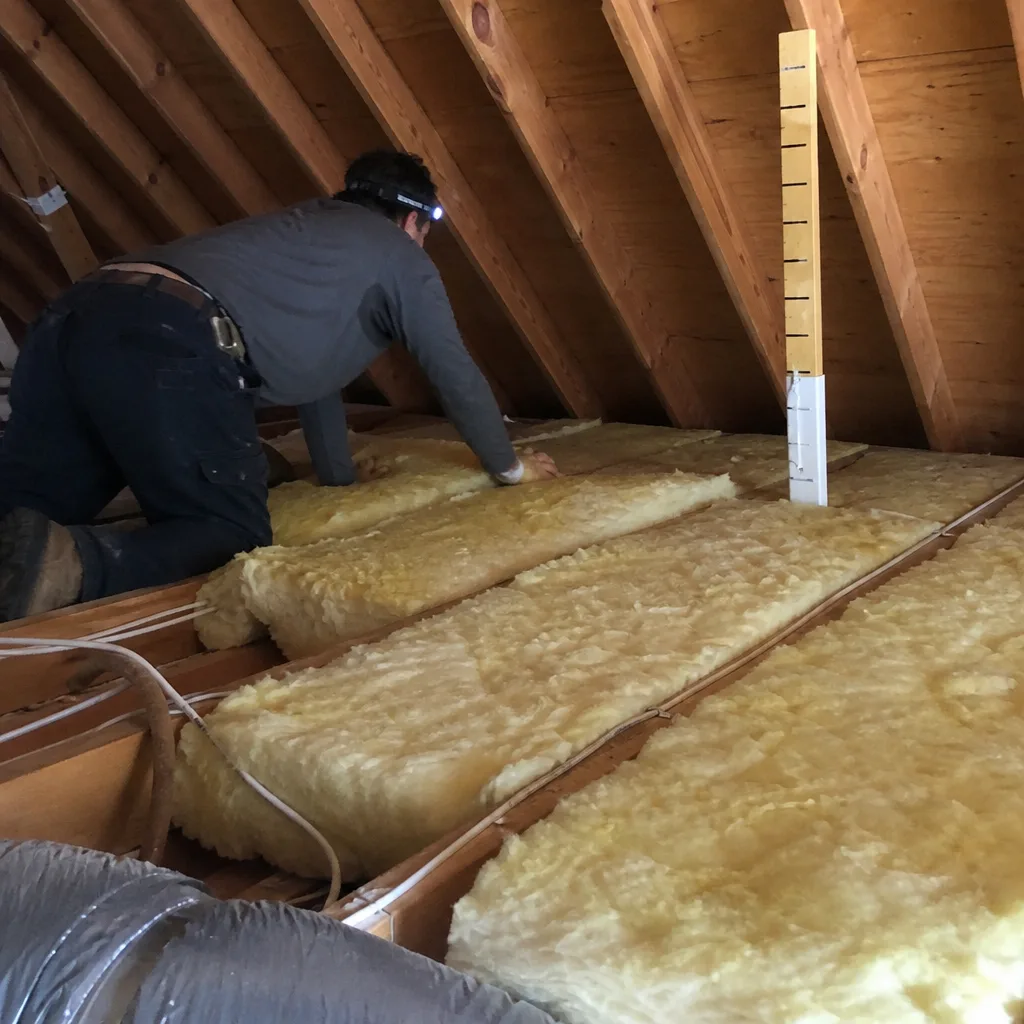
Roofing crews in New Braunfels routinely displace blown-in insulation and break air-sealing foam at penetrations. This is not negligence; it’s physics. Workers walking in attics compress material. Tear-off debris falls through access hatches. New decking installation requires movement across the entire attic floor. The result: insulation depth becomes irregular, and the air-sealing layer - often spray foam at wire and pipe penetrations - cracks or separates.
We recommend an insulation inspection within 90 days of any roof replacement. The warning signs specific to this window:
- Rooms that cooled adequately before the re-roof now struggle in afternoon heat
- Increased dust accumulation - disturbed insulation releases fine particles, and broken air seals allow attic air infiltration
- New or worsening temperature stratification between rooms that were previously uniform
- HVAC runtime increase visible on smart thermostat history
In the Meyer Ranch and Oak Run areas, where hail damage drove significant re-roofing volume in 2023-2024, we’ve performed dozens of post-roof insulation assessments. The typical finding: 30-50% of the attic floor shows reduced insulation depth, with complete absence in the 3-4 feet nearest eaves where workers walked most frequently. Air-sealing foam at plumbing vents and electrical penetrations was damaged in 60-70% of cases.
The inspection protocol: measure insulation depth at 10-foot intervals across the attic floor, photograph displacement areas, and perform visual assessment of air-sealing integrity at all penetrations. Under Haven Standard: Have it in writing - the written scope documents what was found, and the Documented Photo Record shows the condition before any work begins.
Restoration typically involves blowing additional material to restore uniform depth, combined with targeted air-sealing repair. For homes considering spray foam insulation in New Braunfels, the post-roof window is also an opportunity to upgrade the entire attic floor system rather than patching the existing configuration.
Ice Dam Absence as a False Negative
Northern insulation guides use ice dams - meltwater refreezing at eaves - as the primary warning sign for inadequate attic insulation. New Braunfels homeowners cannot use this diagnostic. Our climate rarely produces the conditions for ice dam formation, yet attic insulation failures are equally common and equally costly.
The false negative creates complacency. A homeowner in Minneapolis sees an ice dam and calls a contractor. A homeowner in New Braunfels sees no ice dam and assumes the attic is fine, while conditioned air leaks through a compromised envelope at rates that would trigger immediate action in colder climates. The energy penalty is identical; only the visible symptom differs.
What New Braunfels homeowners should watch instead:
- Summer thermal reversal: Attic heat moving into conditioned space at rates that make upstairs bedrooms uninhabitable by 4 PM. This is our climate’s equivalent of winter ice dam - the signature failure mode that indicates envelope breakdown.
- Winter moisture accumulation on north-facing sheathing: Without adequate insulation, warm interior air reaches cold roof decking and condenses. In January, when New Braunfels nights drop below freezing, we find frost on attic sheathing in under-insulated homes - the invisible precursor to mold.
- Shingle degradation pattern: Uneven roof surface temperatures from inconsistent insulation depth accelerate thermal cycling damage. A roof that needs replacement at 12 years instead of 20 often indicates underlying insulation failure.
The blower-door test provides the objective measure that replaces ice-dam observation. A home with intact insulation and air sealing in New Braunfels should read below 2,500 CFM50 per 1,000 square feet of conditioned area. Readings above this threshold indicate envelope performance that would be unacceptable in any climate zone.
Visual Inspection: What to Look For in Your Attic
Some warning signs are visible to the homeowner who ventures into the attic with a flashlight and a dust mask, and our Attic Insulation Maintenance Checklist for New Braunfels Homeowners details exactly what to look for. The inspection requires no special training, only attention to specific details that untrained observers miss.
Start at the attic access hatch. Is it weatherstripped? Does it close against a seal, or does it rattle? An unsealed hatch leaks air at rates equivalent to a 6-inch diameter hole - continuously.
Then scan for these specific conditions:
- Insulation depth variation: Uniform depth is the goal. In New Braunfels homes with original blown-in fiberglass, we commonly find 14 inches near the access hatch (where the installer started with a full hopper) tapering to 4 inches at distant eaves (where the hopper ran low and the crew rushed to finish).
- Black discoloration on insulation surface: This is filtered dust, indicating that air is moving through the insulation rather than across it. The insulation is acting as an air filter, which means it’s not acting as a thermal barrier. Every black streak corresponds to an air leak below.
- Compressed or displaced batts: Stored holiday decorations, walking boards placed directly on insulation, or technician foot traffic reduce R-value by 50% or more in compressed areas. In Fossil Ridge and Copper Ridge homes, we’ve found entire sections of attic floor where R-38 batts were compressed to R-13 by plywood storage platforms.
- Daylight visible at eaves or around chimneys: Every point of daylight is a point of air leakage. In New Braunfels, where south winds dominate, eave gaps pull hot attic air into soffits and then into wall cavities.
- Wet or stained decking: Roof leaks cause localized wetting, but widespread light staining on sheathing indicates chronic condensation from interior air leakage - warm, moist air hitting cold decking because insulation is missing or displaced.
Photograph everything. The Documented Photo Record on every visit establishes baseline condition and supports any future warranty claim. Under Haven Standard Clause 1: flat price, written scope, written warranty before anyone lifts a tool.
System-Specific Warning Signs by Insulation Type
Different insulation systems fail in different ways. Knowing your home’s insulation type focuses the inspection.
Blown-In Fiberglass (Owens Corning, Johns Manville)
Failure mode: settling and wind-washing at eaves. In New Braunfels homes with ridge vents and inadequate baffles, incoming air scours material from eave edges, creating bare strips 2-3 feet wide. The center of the attic reads adequate depth; the edges, where thermal load is highest, are exposed. Warning sign: rooms with exterior walls on two sides (corner rooms) become unusable in afternoon heat.
Blown-In Cellulose (GreenFiber)
Failure mode: density loss and fire-retardant degradation over time. Cellulose settles more than fiberglass, and the borate treatment that resists fire and pests can degrade in humid attic conditions. Warning sign: fine dust accumulation around ceiling registers - degraded cellulose becoming airborne through duct leakage. Also: musty odor in fall when humidity drops and settled material releases absorbed moisture.
Spray Foam (Demilec, Icynene)
Failure mode: shrinkage and separation from framing, particularly open-cell formulations applied in hot weather without adequate substrate temperature control. Warning sign: visible gaps between foam and rafter edges, or a “crackling” sound when foam is pressed. In New Braunfels, where summer attic temperatures exceed 140°F during application season, improper mixing ratios or substrate preparation cause adhesion failure that may not appear for 2-3 years.
Radiant Barrier Foil
Failure mode: dust accumulation on upward-facing surface, which eliminates reflectivity. Also: tearing at staple points due to thermal cycling. Warning sign: foil that appears dull gray rather than shiny, or visible tears that allow radiant heat transfer directly to insulation below. Radiant barriers require clean, intact surfaces to function; a dusty or torn installation provides near-zero benefit.
For Topside Attic Insulation New Braunfels home assessments, we identify the existing system type, document its condition, and specify replacement or augmentation based on observed failure modes - never a generic recommendation.
Common Mistakes to Avoid
- Adding insulation over unsealed air leaks: Blowing new material over a leaky attic floor traps moisture and hides problems without fixing them. The air leakage continues, now through a thicker filter. We remove existing material to access and seal leaks before adding anything new.
- Assuming R-value labels equal installed performance: An R-38 batt compressed into a 2×10 cavity performs at R-30 or below. An R-38 blown-in depth that settled to 9 inches performs at R-25. The labeled value and the in-situ value diverge significantly in real New Braunfels attics.
- Ignoring the thermal bypass at attic stairs: Pull-down stairs leak air at rates of 200-400 CFM50, equivalent to a window left open. No amount of floor insulation fixes this. A properly constructed insulated stair cover, sealed with weatherstripping, is required.
- Storing items directly on insulation: Every box, board, or tote compresses material below and creates a thermal bridge to the ceiling drywall. In New Braunfels homes with limited garage storage, attic storage platforms are common - and commonly destroy insulation performance in the most critical areas.
- Waiting for visible damage: By the time insulation looks bad - mold, water stains, rodent nests - the performance failure has existed for years. The IR thermometer and electric bill catch problems before visual inspection does.
- Assuming new construction is properly insulated: Code inspections verify depth at a few sample points, not uniformity across the entire attic. We’ve found 40% void coverage in homes less than five years old in Veramendi and Voss Farms.
When to Call a Professional
Call for assessment when: ceiling temperature variation exceeds 6°F between rooms; cooling-season kWh rises 15% year-over-year; interior humidity stays above 60% after sunset; or you’ve had roofing work in the past 90 days. These thresholds indicate envelope failure that homeowner intervention cannot fully address.
A professional assessment should include: blower-door testing with zone pressure diagnostics to locate leak paths; infrared camera scanning to visualize thermal bypasses; insulation depth mapping across the entire attic floor; and a written scope with flat price before any work starts. Topside Attic Insulation New Braunfels offers free estimates in New Braunfels - call (830) 243-6352. We also provide a Free Second Opinion on any written estimate; bring us a competing quote and we will read it with you.
Under Haven Standard: Arrive on schedule, you get a named technician and a text when they are on the way. Background-checked, uniformed technicians. Calls answered by a live person, 24/7 - no voicemail loops, no callback windows measured in business days.
Frequently Asked Questions
Most attic insulation jobs in a New Braunfels home between 1,800 and 2,800 square feet run between $2,800 and $5,400, depending on existing material removal needs, air-sealing scope, and final R-value target. Spray foam applications at roofline rather than floor typically range $6,500-$12,000. Every job begins with a written price - no work starts without it. Call (830) 243-6352 for an exact quote; estimates are free.
Same-day repair is possible for limited scope: targeted air-sealing of accessible penetrations, or spot insulation fill in specific deficient areas. Full attic restoration requires scheduling based on material delivery and crew availability. We provide the written scope and price during the assessment visit, then schedule completion typically within 5-10 business days.
Repair is cheaper only when the existing system is uniformly adequate and the failure is isolated - typically, displacement in 10% or less of the attic area. When insulation is settled below R-30 across more than 30% of the floor, or when air sealing was never performed originally, repair becomes patchwork that costs more over time than systematic replacement. We assess both options and specify the lower life-cycle cost, not the lower first cost.
The insulation plane is broken somewhere above that space - settled material, compression from foot traffic, or a thermal bypass at a chase or duct penetration. The HVAC system cannot overcome conductive heat gain from a 140°F attic through an R-10 gap. An IR thermometer reading will show the exact ceiling location where thermal resistance drops. Call (830) 243-6352 to schedule mapping.
Every home needs both, in sequence. Adding insulation over unsealed leaks is like wearing a thick sweater in the wind - the air goes right through. The blower-door test quantifies the leakage: above 3,500 CFM50 in a typical New Braunfels home, air sealing is the priority. Below that threshold, additional insulation provides measurable return. We perform the test, report the number, and sequence the work accordingly.
Schedule an attic inspection within 90 days. Roofing crews rarely intend to damage insulation, but displacement and air-seal breakage are nearly universal consequences of attic access for tear-off and decking. The inspection photographs current condition, measures depth uniformity, and identifies any penetrations where foam seals have separated. Early correction prevents a full season of degraded performance.
The Bottom Line
Insulation failure in New Braunfels announces itself through performance, not appearance. A $15 IR thermometer, a year-over-year kWh comparison, and attention to evening humidity patterns reveal problems that visual attic inspection misses. The critical sequence remains: seal air leaks first, then insulate. No exceptions. Document the condition before work begins, measure the result with a blower-door test, and hold the contractor to written scope and price. The 365-Day Done Right Promise applies to all completed work - if it’s not done right, we make it right. Explore more guides & resources for keeping your home efficient year-round.
Written by Wes Okafor, Owner at Topside Attic Insulation New Braunfels, serving New Braunfels since 2016.