
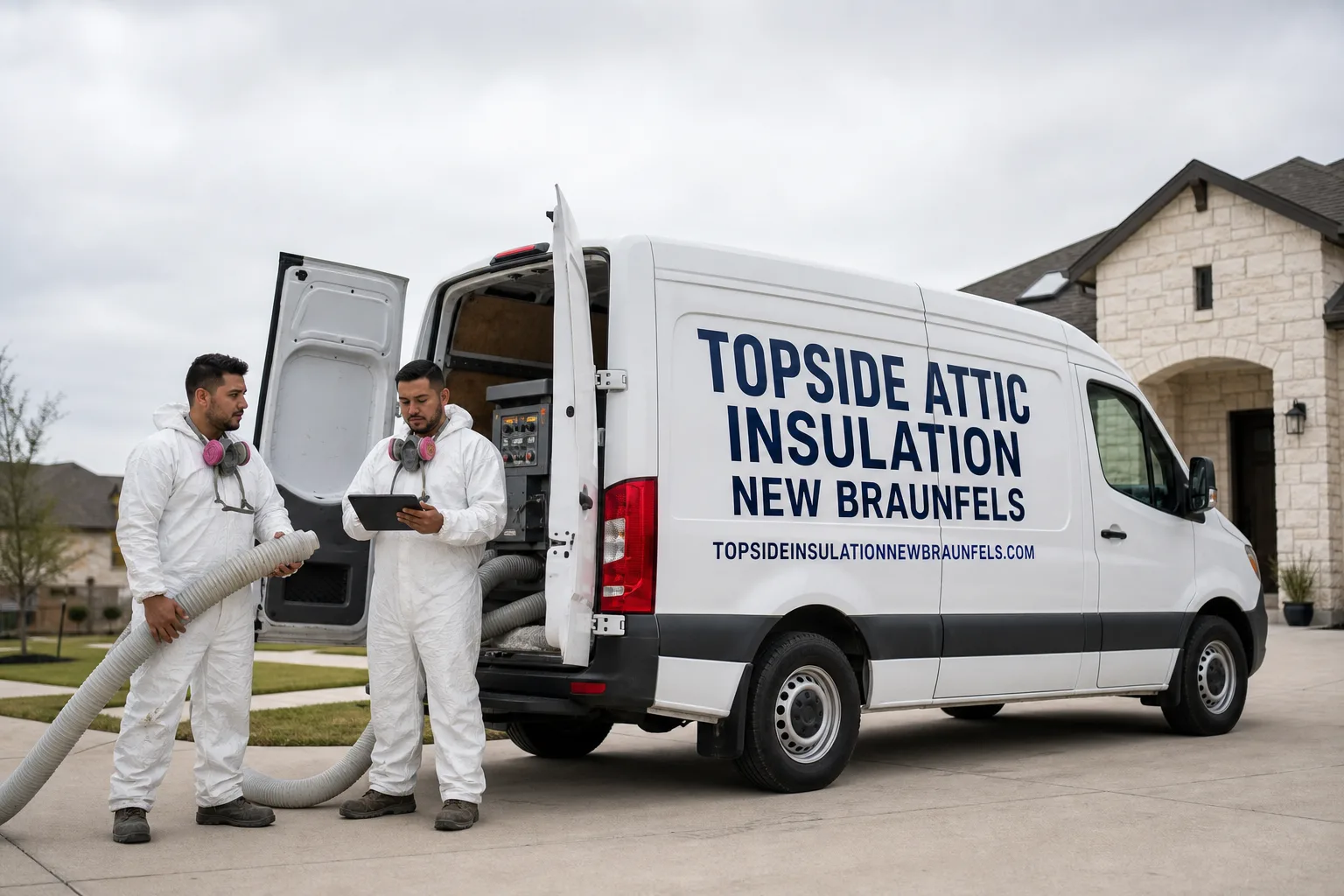
Fast, Reliable Blown-In Insulation Across Live Oak
Most blown-in attic insulation jobs in Live Oak run $1,800-$3,400 for a typical single-story ranch, and our crews can usually inspect, seal, and insulate in a single day. We dispatch from our San Antonio office and keep regular routes through Live Oak’s neighborhoods off Toepperwein Road, Judson Road, and near the JBSA-Randolph corridor. Call (830) 243-6352 for a written price before any work starts - that’s Haven Standard Clause 1, no exceptions.
Why Topside Attic Insulation New Braunfels Is Live Oak’s Preferred Blown-In Insulation Company
We’ve worked in enough Live Oak attics to know what we’re walking into. The city is overwhelmingly 1970s-1990s tract housing built for Randolph Air Force Base families, and the vast majority still carries original fiberglass batts compressed well below modern standards. Our Blown-In Insulation team has documented the before-and-after performance on hundreds of these homes, and we publish blower-door numbers so you can verify the result yourself.
Our technicians are background-checked and uniformed, and calls are answered by a live person 24/7 - no voicemail loops, no callback windows measured in business days. We serve Live Oak from our San Antonio dispatch office, which keeps response times tight for homeowners from the Willow Springs area down to the neighborhoods near Woodcrest Drive.
Under The Haven Standard since 2016, every job begins with a written price and ends with a Documented Photo Record. The 365-Day Done Right Promise applies to all completed work. We’ve sealed and insulated 9,000+ homes since then, every one with the same documentation.
Our Blown-In Insulation Services in Live Oak
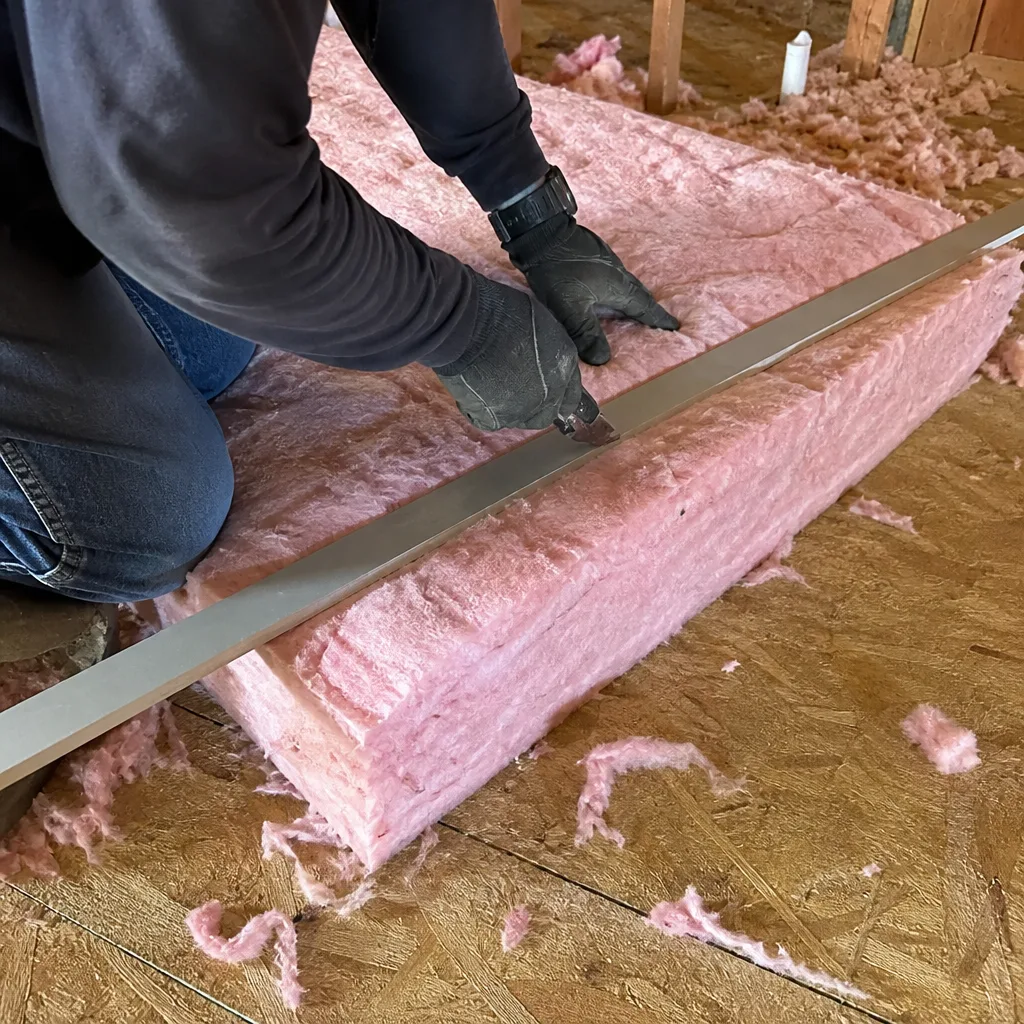
Blown-In Cellulose
Cellulose handles Live Oak’s combination of extreme summer attic heat and Gulf moisture better than most materials. We source from GreenFiber and other manufacturers - no proprietary lock-in - and blow it to the R-38 that Bexar County recommends for this climate. On a brick-veneer ranch off Toepperwein Road, our tech found the original 1985 fiberglass batts flattened to about R-11, the attic hatch completely uninsulated, and a separated duct joint blowing conditioned air straight into a 140°F attic. We air-sealed the hatch and joints, then blew in GreenFiber cellulose to bring the attic to R-38 - done in a single day. The homeowner got before-and-after blower-door readings and a photo record of every penetration we sealed.
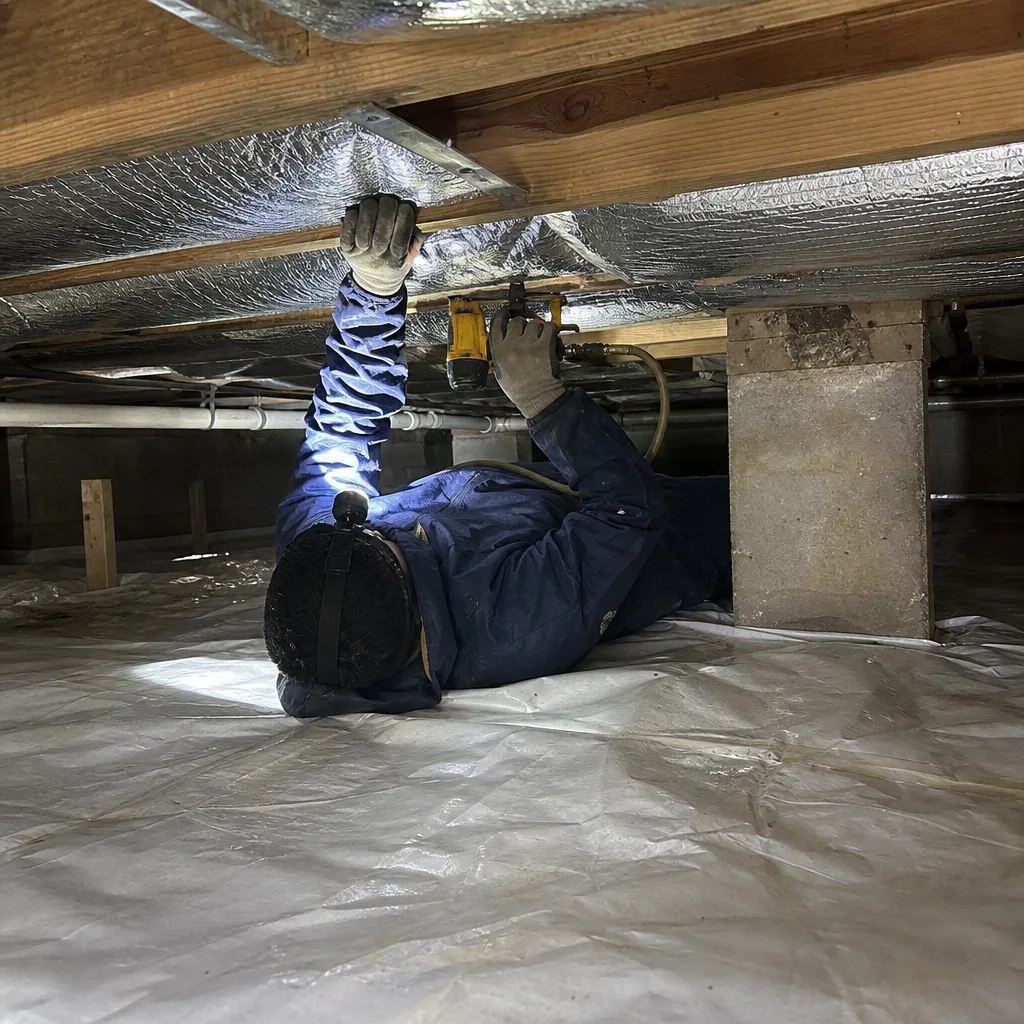
Blown-In Fiberglass
Fiberglass works well in Live Oak’s vented attics when the existing moisture management is sound. We stock Owens Corning and Johns Manville products, and we never blow new material over unsealed top plates or can-light penetrations. The 1970s-1995 homes that dominate Live Oak were often built with expedited permits during base-expansion booms, which means attic hatches that are completely uninsulated and soffit vents blocked by decades of debris. We clear and seal first, then insulate. The result is measured, not assumed.
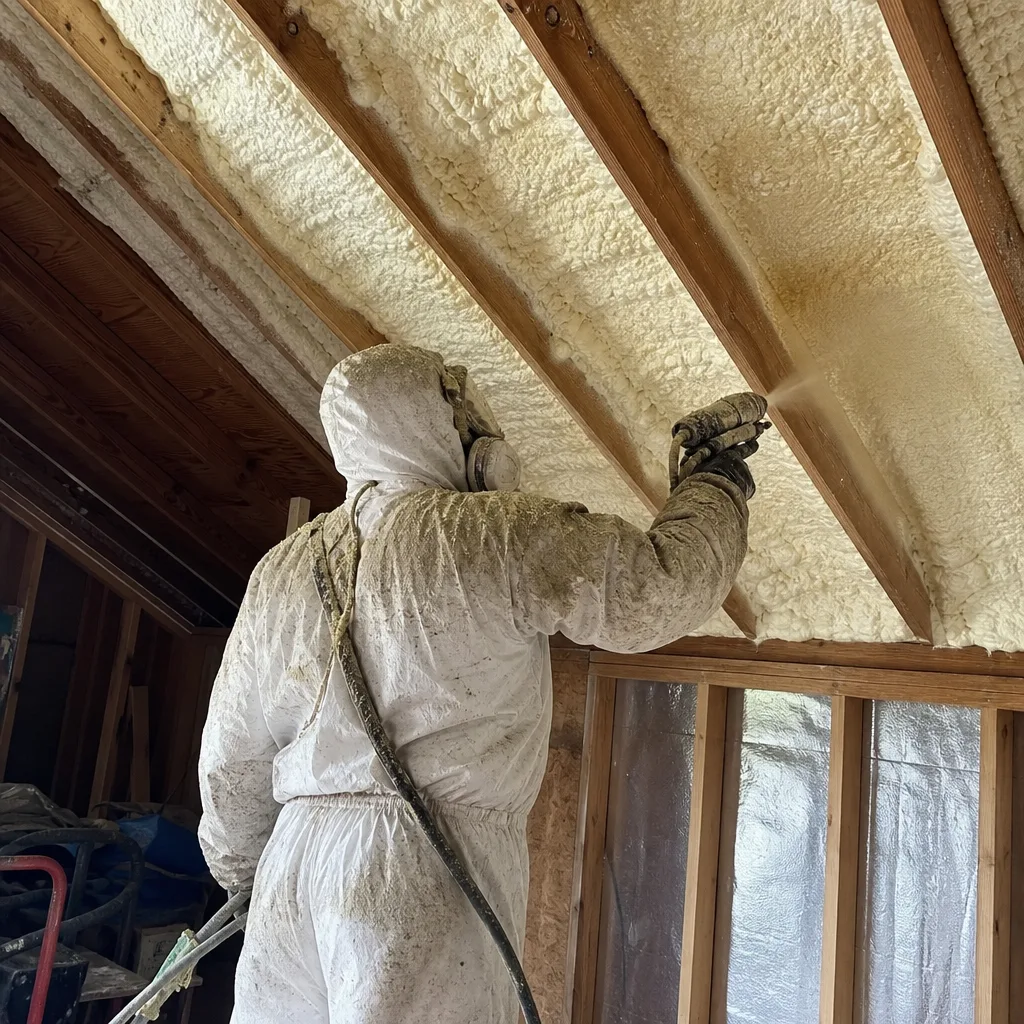
Blown-In Top-Up
This is the most common call we get in Live Oak. Homeowners know their attic has something in it - usually original batts at R-11 to R-19 - and they want to know if we can just add on top. Sometimes we can, after air sealing. Often the original material is too compressed, displaced by HVAC service calls, or contaminated by rodent activity to leave in place. We assess it honestly and give you a written scope either way. A top-up that skips sealing is worse than no work at all; you’re just burying the leaks.
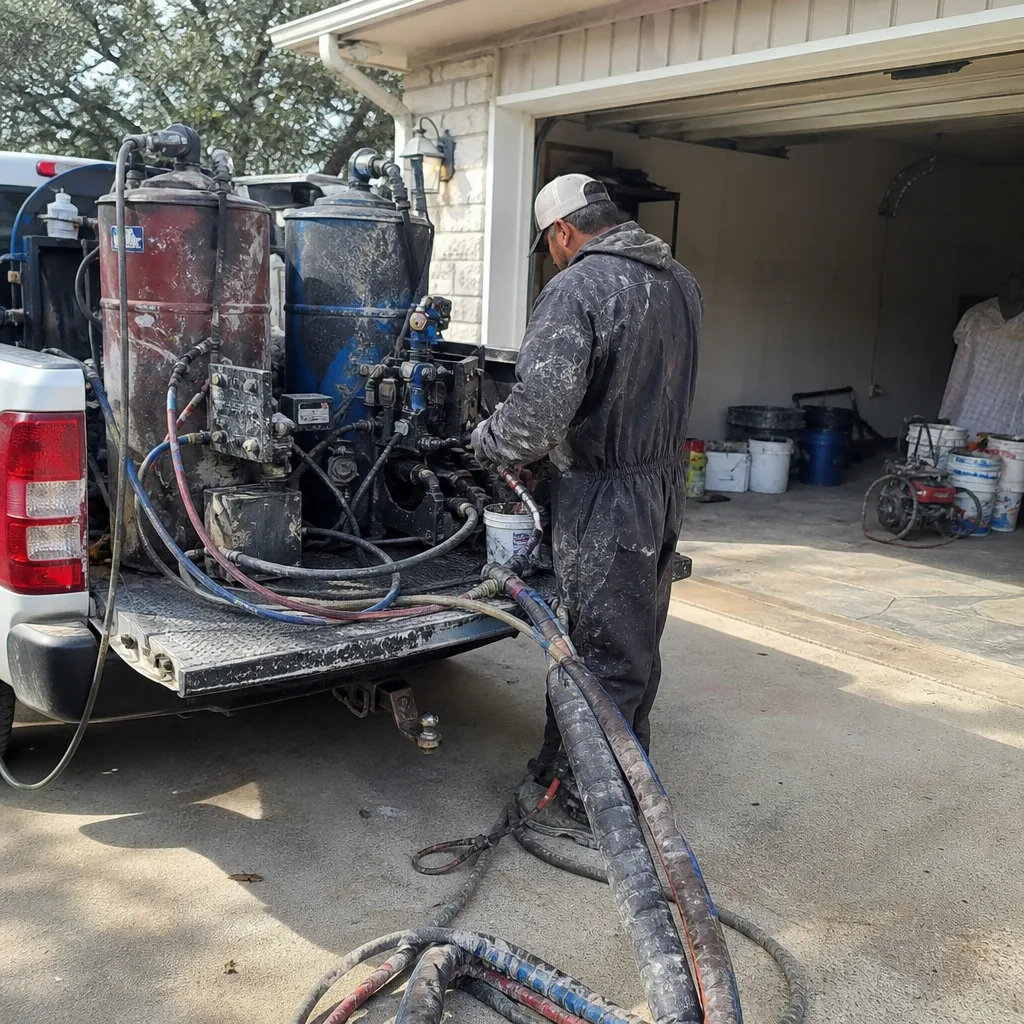
Dense-Pack Wall Insulation
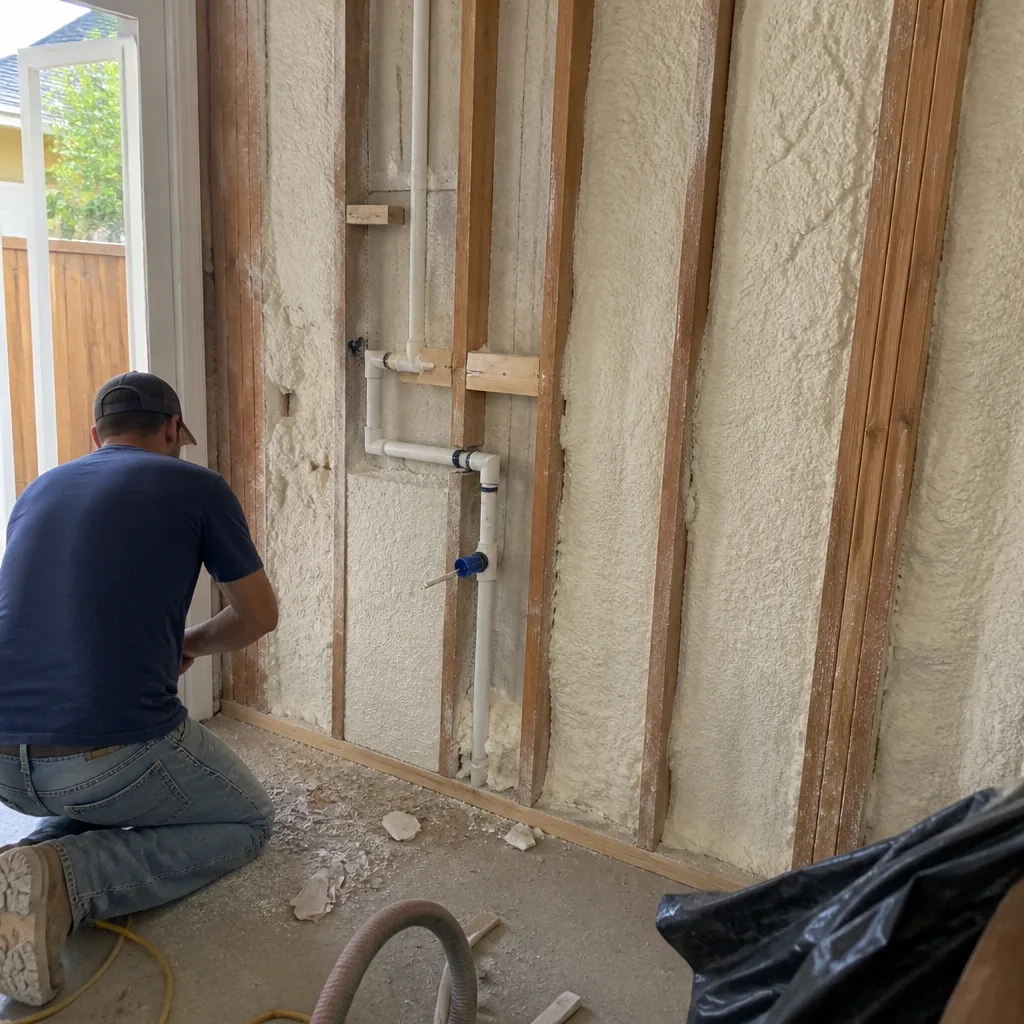
Live Oak’s ranch homes from the 1970s and 1980s typically have minimal wall cavity insulation, if any. Dense-pack cellulose fills those cavities without tearing off drywall, using ports drilled at stud bay intervals and packed under pressure to eliminate settling. It’s slower than attic work but addresses the thermal boundary where a lot of Live Oak homes are weakest. We quote it separately with a written price before any holes are drilled.
What happens when you call
- 1
A real person answersNo phone trees - you reach a local pro.
- 2
You get an upfront price rangeHonest numbers before anyone is dispatched.
- 3
A background-checked tech heads outLicensed & insured, dispatched right away.
- 4
You approve before work beginsNothing starts until you say go.
 Before
 After
AfterTrusted Brands We Service in Live Oak
We source blown-in materials from Owens Corning, Johns Manville, GreenFiber, and Demilec - plus spray foam insulation in Live Oak when conditions call for it - with no single-brand lock-in and no proprietary products pushed because of a dealer agreement. For Live Oak homeowners, this means we match the material to the condition of your attic, not to our inventory. We keep common densities and R-values stocked for quick turnaround on standard ranch homes, and we can spec alternative products for specific moisture or fire-resistance requirements. Every bag lot is documented in your job record.
Common Blown-In Insulation Problems We See in Live Oak Homes
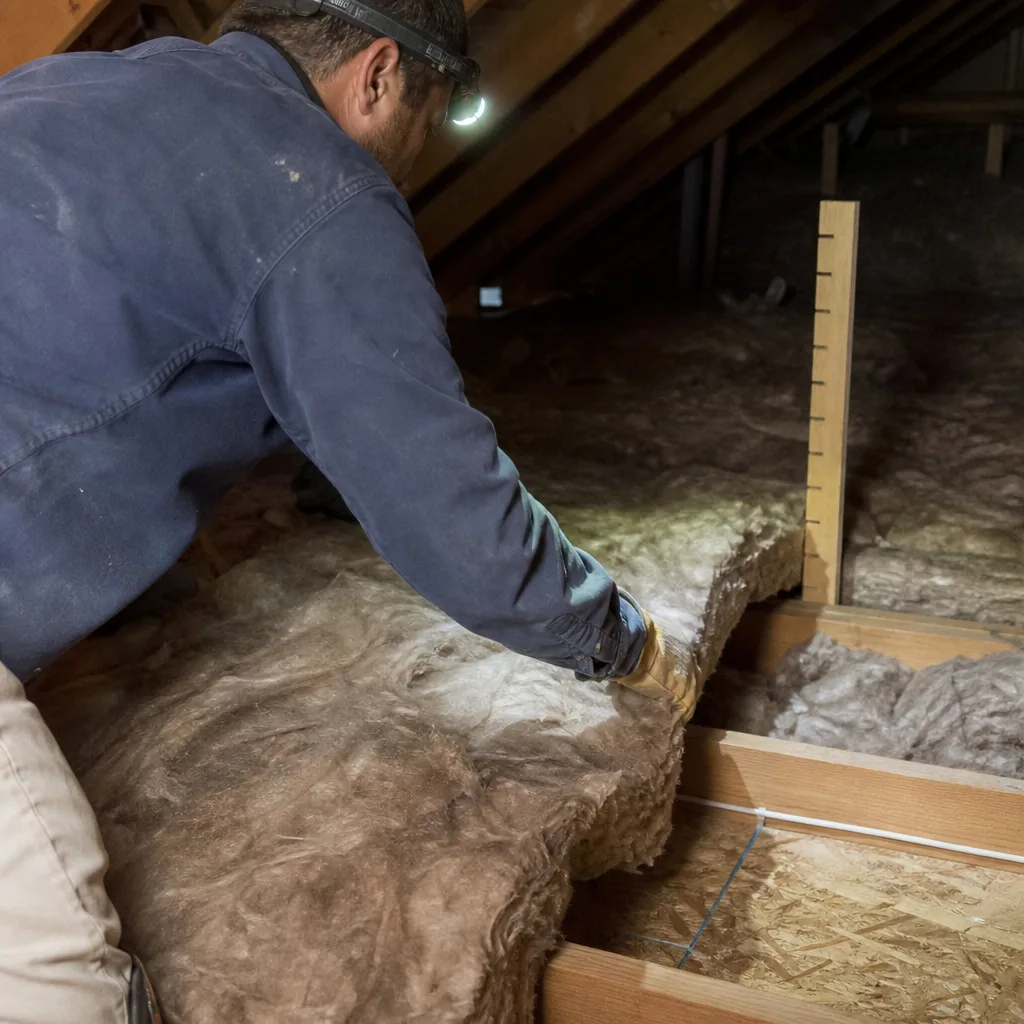
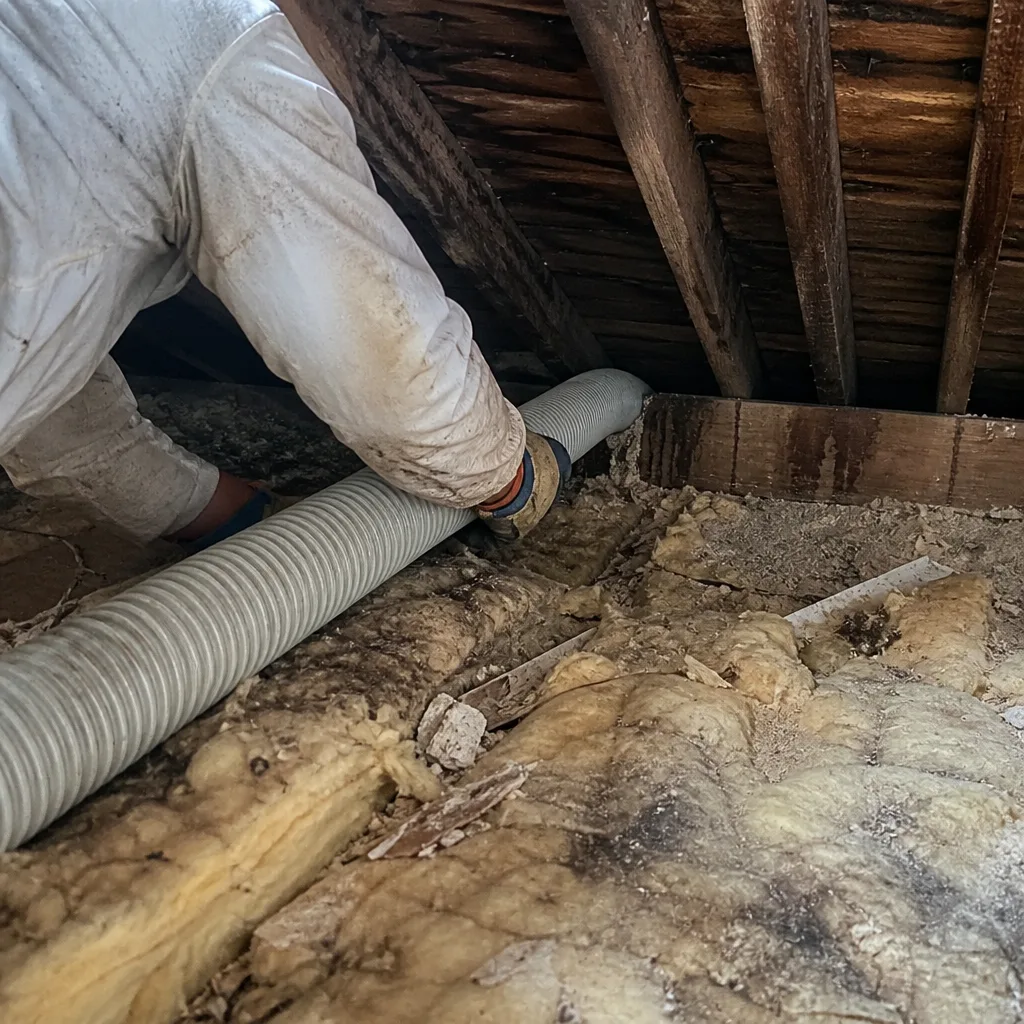
- Original batts compressed to uselessness. Live Oak’s housing stock was built fast for base expansion, and the fiberglass batts installed in the 1970s-1990s have been walked on by HVAC techs, shoved aside for storage, and compressed by decades of dust and moisture. What started as R-11 to R-19 is often performing closer to R-8 by the time we open the hatch.
- Ductwork leaking into 140°F attics. HVAC systems in Live Oak ranches typically run through unconditioned attic spaces. Separated duct joints are routine, especially near plenums and flex-line transitions. You’re paying to cool air that never reaches your living space.
- Uninsulated attic hatches and blocked soffit vents. Expedited construction near the JBSA-Randolph flight line often skipped details that matter. An uninsulated hatch is a square foot of R-1 in a ceiling that’s supposed to be R-38. Blocked soffit vents kill airflow and trap moisture.
- The $80-$120/month summer penalty. These three problems together - compressed insulation, duct leakage, and hatch/vent failures - show up on CPS bills as a surcharge you can’t argue with. We’ve measured it. The fix is a single day’s work with documented results.
Pricing for Blown-In Insulation in Live Oak, TX
A typical blown-in attic job in Live Oak runs $1,800-$3,400 for a single-story ranch between 1,200 and 2,000 square feet. Dense-pack wall insulation adds $1,200-$2,800 depending on accessible cavity area. What moves you within those ranges: whether we can top up over existing material or need full removal first; the extent of air sealing required on top plates, can lights, and duct penetrations; and whether your attic has active rodent contamination that needs cleaning before new insulation goes in.
We don’t do “call for a quote.” Haven Standard Clause 1 is a written price before any work starts - flat price, written scope, written warranty. Estimates are free. Bring us a competing written estimate and we’ll give you a Free Second Opinion, line by line. Call (830) 243-6352.
We Also Serve Cities Near Live Oak
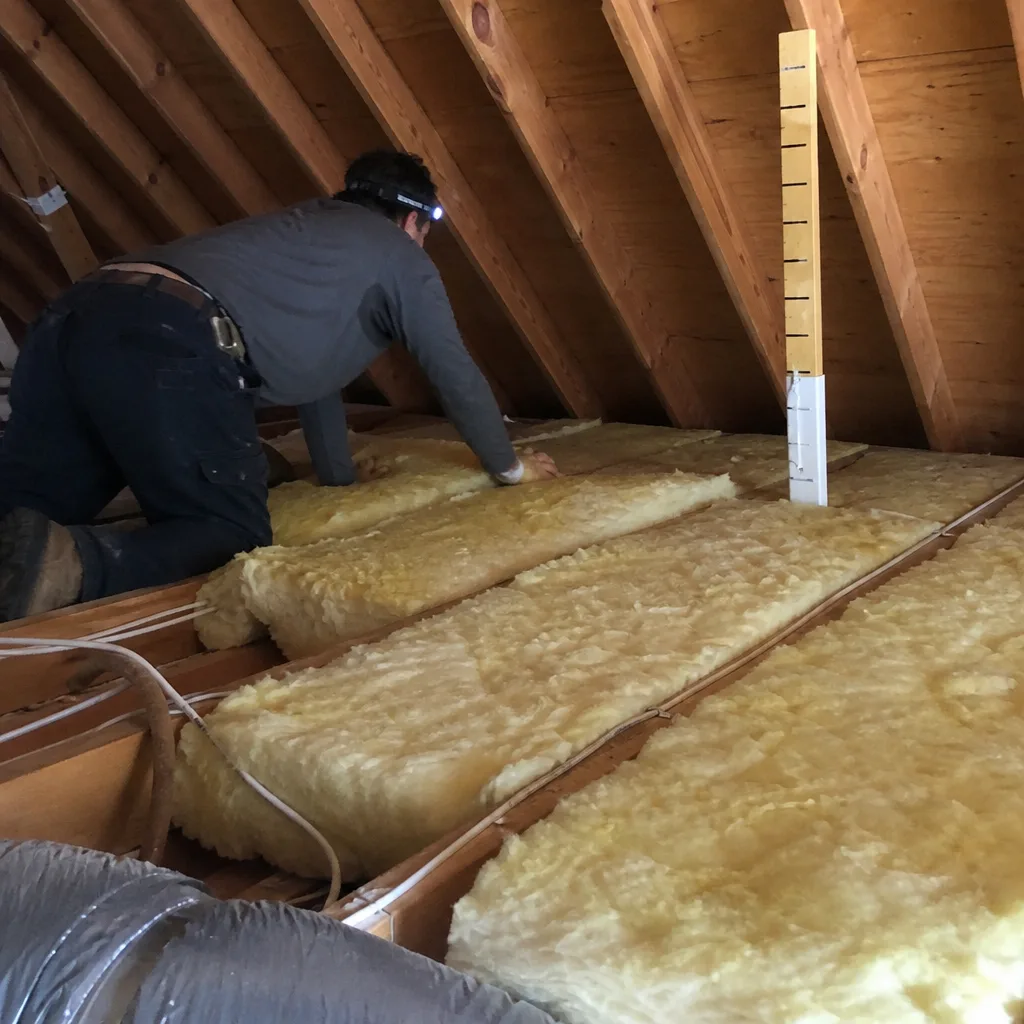
Our crews run regular routes through Live Oak and the surrounding corridor, including New Braunfels, Cibolo, Seguin, and Schertz. Dispatch and scheduling are coordinated from our San Antonio office, which keeps travel time short and scheduling flexible for homeowners across northeastern Bexar County.
Serving Live Oak, TX - Our Local Coverage Area
We’re based in the Live Oak area and know this community well. Use the map below to see our service coverage - if you’re nearby, we can almost certainly help.
FAQs - Blown-In Insulation in Live Oak
Sometimes, but only after we air-seal the attic floor and confirm the existing batts aren’t compressed below recovery or contaminated. In most 1980s Live Oak ranches we’ve inspected, the original batts have been walked flat by HVAC service calls and displaced by amateur storage. Blowing new material over that traps the problems underneath. We give you a written scope that says exactly what stays and what comes out. Call (830) 243-6352 for an exact quote - estimates are free.
Because “has insulation” and “has working insulation” are different conditions. Live Oak’s original R-11 to R-19 batts, combined with unsealed attic hatches and separated duct joints in 140°F attic spaces, can leak conditioned air faster than the insulation retains it. We measure this with a blower-door test - a pressurization reading that shows, in one number, how much air your building envelope is losing. Most Live Oak homes we test before work read 3,500-5,500 CFM50; after sealing and blown-in insulation, they’re typically 1,800-2,800 CFM50. The bill follows the number.
Yes. Homes within a mile or two of the flight line were built during base-expansion booms with expedited permits and minimal oversight. We routinely find attic hatches with zero insulation, ductwork with separated joints, and soffit vents blocked by blown-in debris - combinations that add $80-$120/month to summer electric bills and are fixable in a single day. The housing stock is similar in age, but the construction shortcuts were more common closer to base.
We look at moisture history, existing ventilation, and whether the attic has had rodent activity. Cellulose, like the GreenFiber we often use in Live Oak, handles Gulf moisture cycles well and settles less than people assume when installed at proper density. Fiberglass from Owens Corning or Johns Manville works when the attic is dry and well-ventilated. We don’t default to either; we inspect first and specify in the written scope. You see the product name and density before anyone lifts a tool.
It helps, but only if air sealing is done first. The February 2021 freeze exposed how much conditioned air Live Oak’s older homes were losing through top plates, recessed lights, and attic hatches. Insulation slows heat loss; air sealing stops the wind that pulls heat out through gaps. We address both in sequence - sealed first, then insulated - and document the result with blower-door numbers. The 365-Day Done Right Promise covers the work if you don’t see the improvement. Call (830) 243-6352 to schedule an inspection - estimates are free.
Written by Wes Okafor, Owner at Topside Attic Insulation New Braunfels, serving Live Oak since 2016 under The Haven Standard.