
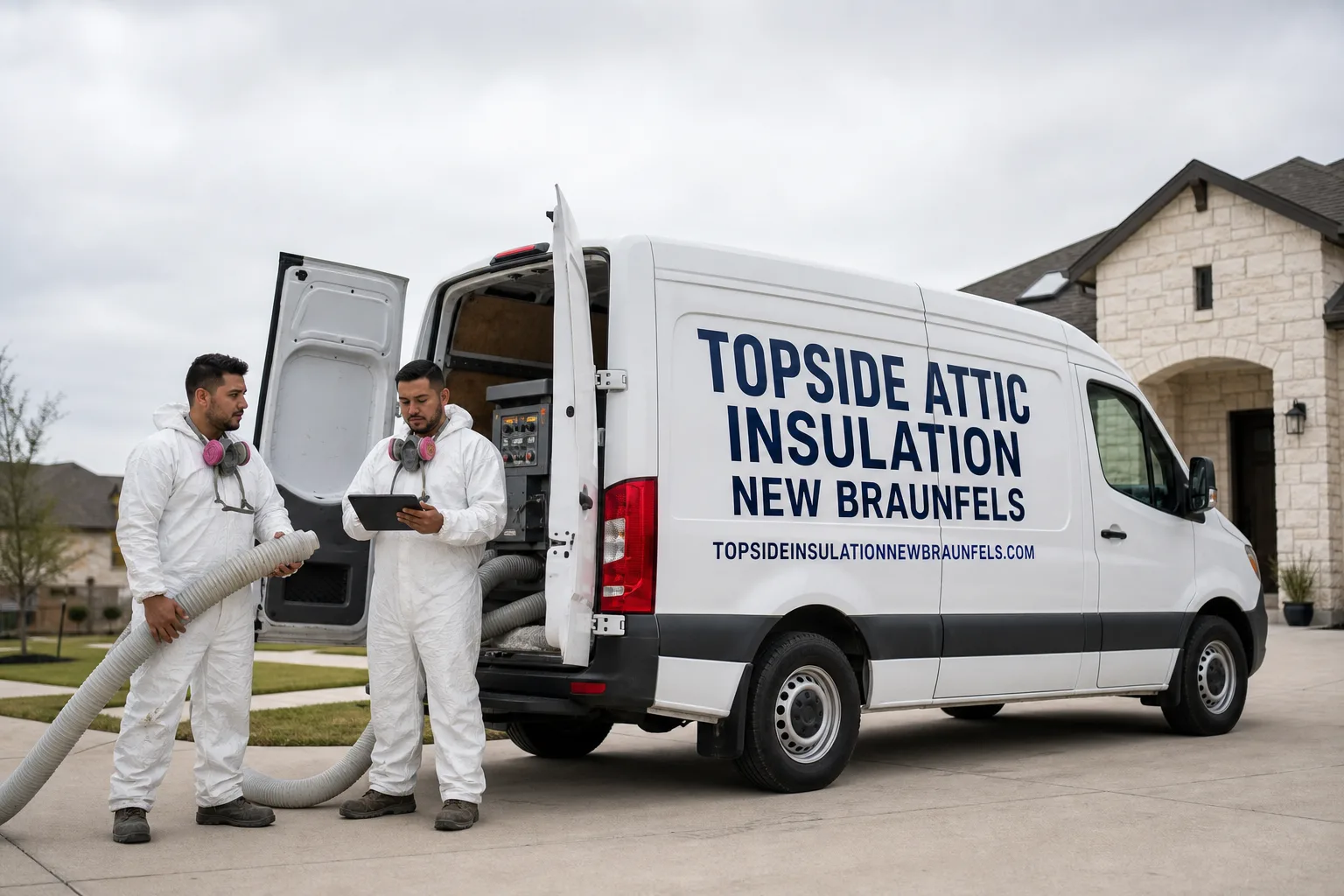
How Much Does Radiant Barrier Installation Cost in New Braunfels?
Radiant barrier installation in New Braunfels, TX typically costs between $1,400 and $3,200 for a standard single-story home with a 1,500-2,500 sq ft attic footprint, with most jobs landing around $1,800-$2,400 when the attic is reasonably accessible and the existing insulation doesn’t need to come out first. If your attic is cramped, has a complex roofline, or you’re combining the barrier with air sealing or new insulation, budget closer to the upper end of that range.
New Braunfels sits in Comal County’s humid subtropical climate zone where summer attic temperatures routinely hit 155-165°F – that’s not an exaggeration, and it’s exactly why radiant barriers perform better here than in most of the country. The payback timeline on a properly installed foil barrier in this market is shorter than it looks on paper.
Radiant Barrier Installation Cost Breakdown (2026)
Below is how the cost typically breaks down for a New Braunfels home. These are real figures from the local market, not national averages.
| Line Item | Typical Cost Range | Notes |
|---|---|---|
| Foil radiant barrier – attic rafter application (1,000-1,500 sq ft attic) | $900 - $1,500 | Stapled to the underside of roof decking; most common install method in New Braunfels |
| Foil radiant barrier – attic rafter application (1,500-2,500 sq ft attic) | $1,400 - $2,400 | Larger footprint, same process; cost per sq ft drops slightly with scale |
| Foil radiant barrier – attic rafter application (2,500-3,500 sq ft attic) | $2,200 - $3,200 | Larger homes in Stone Oak-adjacent New Braunfels subdivisions often fall here |
| Attic floor radiant barrier (laid over existing insulation) | $700 - $1,400 | Less effective than rafter application; used when rafter access is poor |
| Attic air sealing (top plates, can lights, penetrations) – completed before barrier | $450 - $900 | Should precede any insulation upgrade; this is how the work is sequenced at Envelope Insulation Co. |
| Existing insulation removal (if needed before floor application) | $600 - $1,800 | Priced per job based on depth, material type, and attic conditions |
| Blown-in insulation added after air sealing (fiberglass or cellulose) | $800 - $1,600 | Combined projects are common in New Braunfels homes built before 2005 |
What the Per-Square-Foot Number Actually Means
When installers quote radiant barrier jobs, you’ll typically see figures between $0.65 and $1.20 per square foot of attic floor space. At the low end, you’re usually looking at a basic foil product installed in a clean, open attic with standard pitch. At the high end, the attic has limited knee-wall clearance, a steep or complex roofline, or the crew is dealing with existing obstructions – all common in New Braunfels hill country homes and in neighborhoods like Gruene Ridge or Vintage Oaks where builders favored dramatic rooflines.
Labor typically accounts for 40-55% of the total invoice. Foil radiant barrier material itself is not expensive – the cost is in the access, the stapling pattern, the proper overlap at seams, and making sure the product has the perforations it needs to let moisture vapor escape rather than trap it against your decking. An improperly installed barrier can actually accelerate deck rot in a humid climate like New Braunfels, which is why installation quality matters more than material price.
Every job at Envelope Insulation Co. starts with a written price before any work starts – that’s Haven Standard Clause 1, no exceptions. You’ll see the exact scope and cost in writing before anyone sets a ladder in your attic.
What Affects Radiant Barrier Installation Pricing in New Braunfels
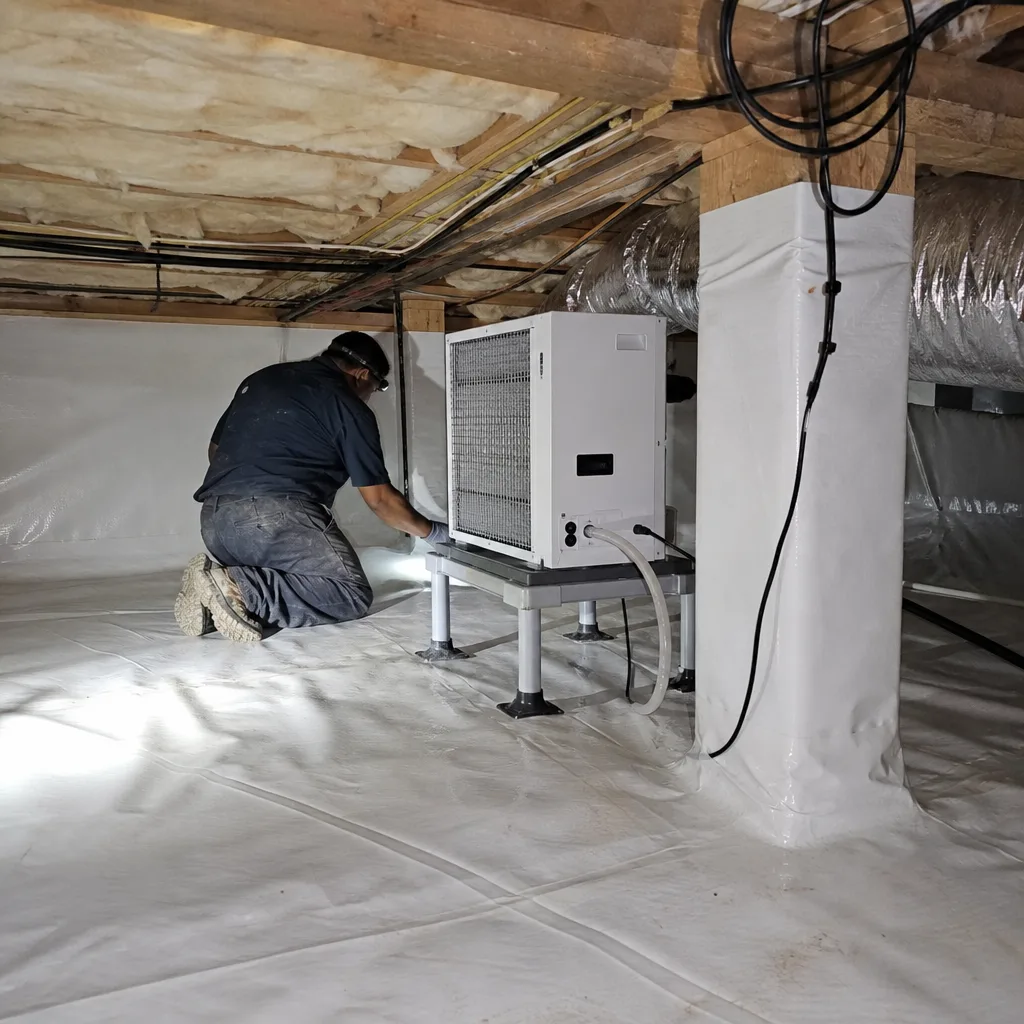
- Attic square footage and roofline complexity. This is the biggest single cost driver. A simple gable roof on a 1,800 sq ft New Braunfels ranch home takes a crew a half-day. A 2,800 sq ft two-story with multiple hip valleys, dormers, and HVAC runs in the attic can take a full day or more. We measure the actual attic footprint, not the home’s conditioned square footage, because those numbers often differ significantly.
- Attic height and accessibility. Older New Braunfels homes in the historic downtown district and near the Comal River corridor sometimes have very low attic clearances – under 30 inches in the tightest spots. Working on your back with a staple gun is slower and harder than standing upright, and that shows in the labor cost. We price this honestly rather than quoting low and adjusting later.
- Rafter application vs. attic floor application. Stapling foil to the underside of the roof decking (rafter method) is more labor-intensive but significantly more effective – radiant barriers work by reflecting heat before it enters the attic air space. Laying foil on the attic floor over existing insulation costs less upfront but delivers a smaller performance gain. In a New Braunfels summer, where attic air temps can exceed 160°F, that difference matters.
- Whether air sealing is done first. At Envelope Insulation Co., air sealing of top plates, can lights, and penetrations is completed before any barrier or insulation goes in – always, not as an upsell. If a competitor quotes you a lower number because they’re skipping this step, you’re not comparing the same job. Unsealed attic bypasses dump hot, humid air directly into your living space regardless of how much foil you hang above them.
- Existing insulation condition and depth. If you have old, compressed fiberglass batts that have lost R-value over time (common in New Braunfels homes built in the late 1990s and early 2000s during the area’s first major growth wave), the question of whether to remove and replace before or alongside the radiant barrier affects total project cost. We document what we find before quoting the work.
- HVAC equipment and ductwork in the attic. Roughly 70% of New Braunfels homes have their air handler and at least part of their duct system in the attic. Working around existing equipment adds time and requires care around flex duct connections. On jobs where the ductwork is visibly deteriorated or poorly connected, we flag it in the photo record so the homeowner knows before the job closes.
- Perforated vs. non-perforated foil. In humid climates like New Braunfels – where the Comal River and Canyon Lake proximity keeps relative humidity high through most of the year – perforated radiant barrier foil is the right product. It allows moisture vapor to pass through rather than accumulate at the decking surface. Non-perforated foil costs marginally less but introduces moisture risk in this market. We use perforated foil here as a standard, not an upgrade.
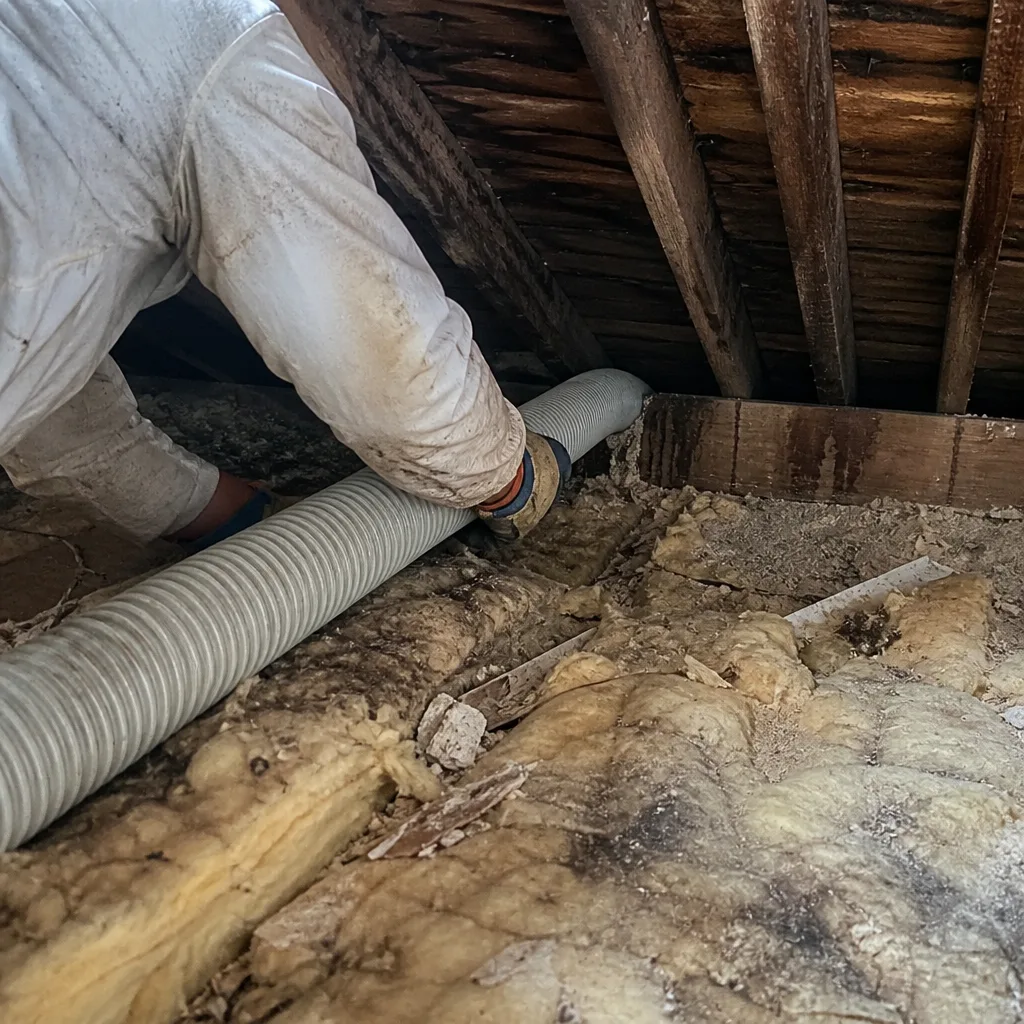 Before
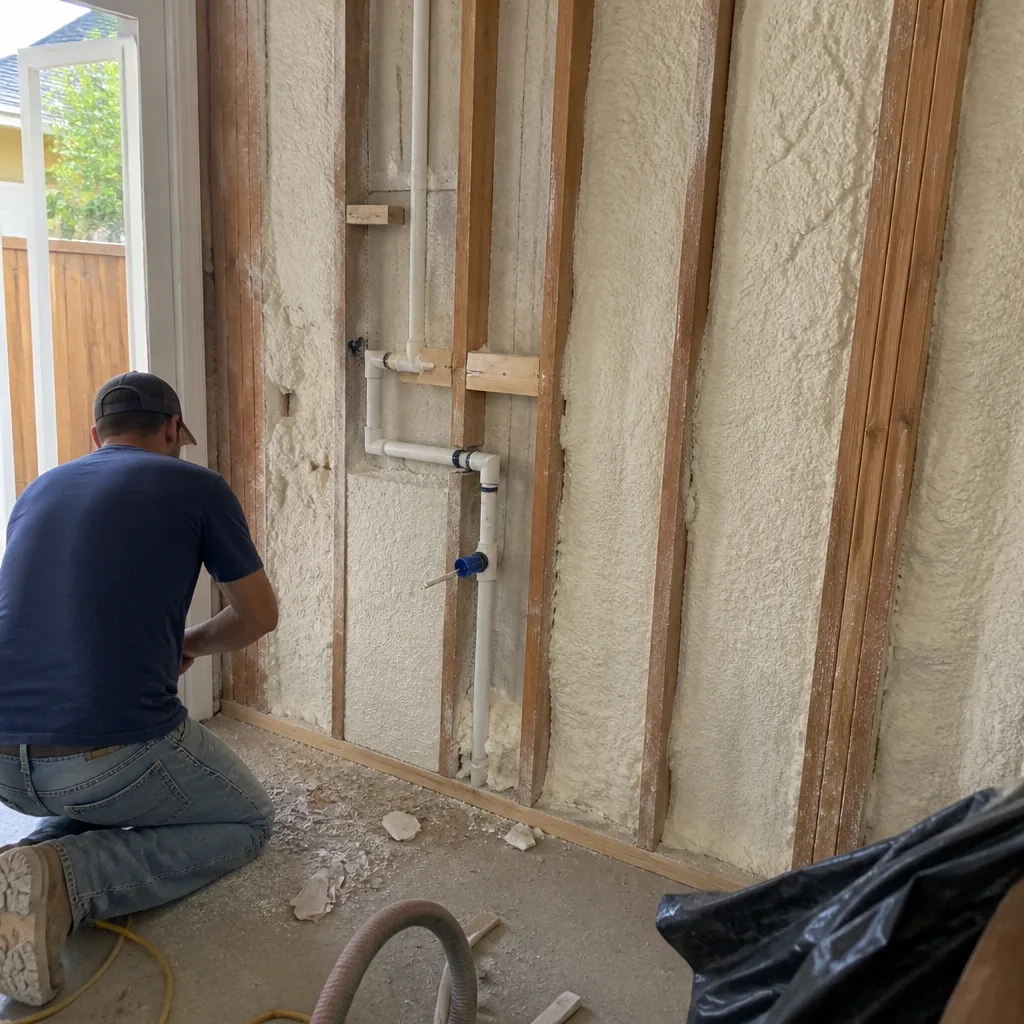 After
AfterHow to Save on Radiant Barrier Installation in New Braunfels
Get the Scope Right Before You Price-Shop
The single most useful thing you can do before collecting quotes is understand what you’re actually buying. A quote for rafter-applied perforated foil with attic air sealing included is not comparable to a quote for floor-laid foil without sealing. Both are called Radiant Barrier Installation services, but they’re different jobs with different outcomes. When you bring a written estimate to us for a free second opinion, we’ll read every line with you and point out what’s included and what isn’t – that’s a standing offer at Envelope Insulation Co., no pressure to book with us.
Combine It with Other Attic Work
If your attic needs both a radiant barrier and additional blown-in insulation – a common finding in New Braunfels homes where original insulation has settled to R-11 or less over 20 years – doing both in one visit reduces total labor cost by 15-25% compared to scheduling them separately. The crew is already in the attic, the prep work is done once, and we complete the air sealing as part of the same mobilization. For context, many homes in the Canyon Lake Road and FM 306 corridor that were built between 1997 and 2008 have exactly this situation: original fiberglass batts well below current recommended R-38 levels and no radiant barrier at all.
Ask About CPS Energy and AEP Rebates
Comal County sits in an area served by multiple utilities. Depending on your specific service address, rebates may be available for qualifying insulation upgrades. The rebate amounts and eligibility rules change annually, so we recommend checking directly with your utility before scheduling, rather than assuming a rebate applies. We document the materials and installation in a format that supports most utility rebate applications.
Don’t Wait Until Summer
This is not urgency theater – it’s just physics. Radiant barrier installation is physically more difficult in July and August when attic temperatures in New Braunfels can exceed 150°F by 10 a.m. Fall and winter scheduling is more comfortable for the crew, which means the work goes faster and cleaner. It also means you’re not living through another Central Texas summer without it.
Start with an Accurate Estimate
We give written, flat-price estimates at no charge. Call (830) 243-6352 and we’ll schedule a visit, document what we find in the attic, and give you a written price before you make any decision. The estimate is free. The Documented Photo Record from the estimate visit is yours either way.
Do I Actually Need a Radiant Barrier in New Braunfels, TX?
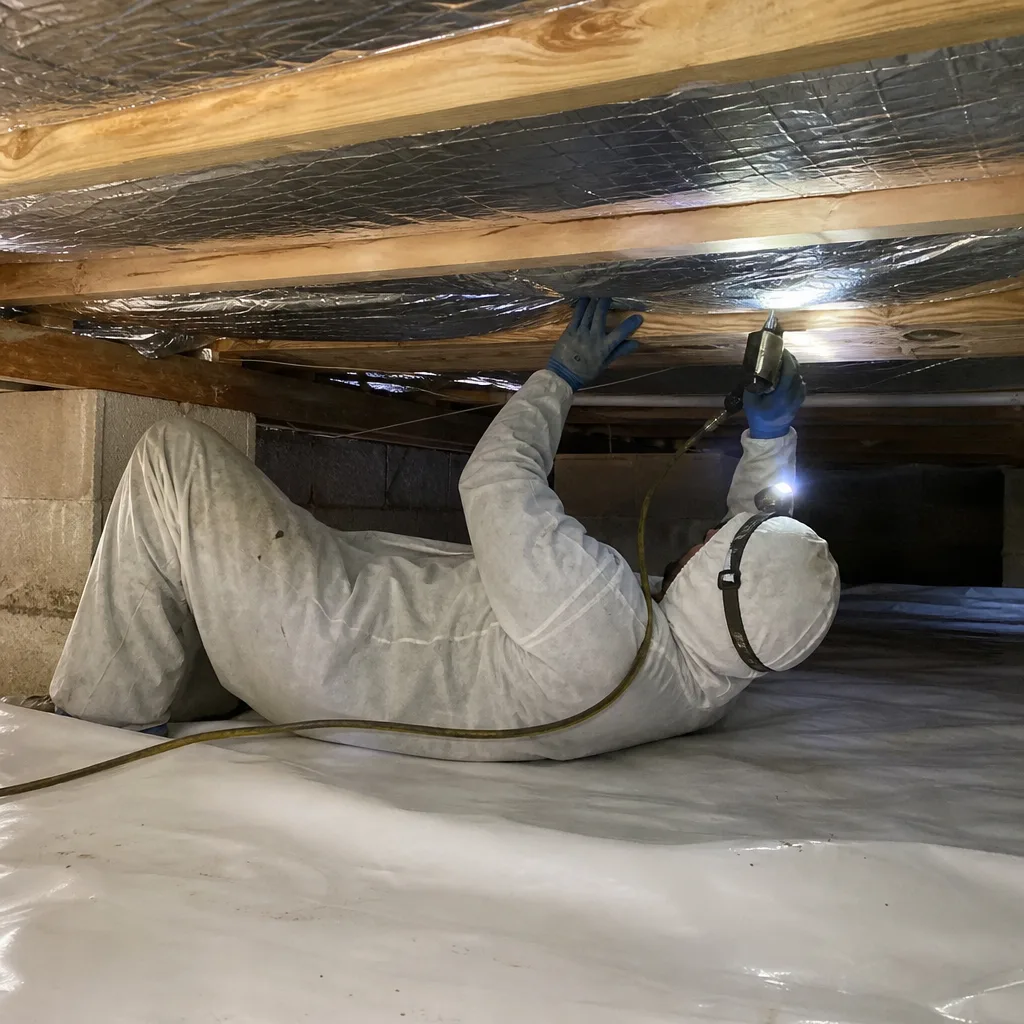
The honest answer: in New Braunfels specifically, radiant barriers earn their cost more reliably than in most U.S. markets. Here’s why.
New Braunfels averages around 220 sunny days per year and sits in IECC Climate Zone 2, which is the second-hottest residential climate classification in the country. Solar heat gain through the roof is the dominant summer energy load for most homes here – the sun bakes the roof deck, which radiates heat into the attic air, which then conducts through the ceiling into your living space. Radiant barriers interrupt the first part of that chain by reflecting the radiant energy before it enters the attic air space.
Studies from the Florida Solar Energy Center, which is the most relevant U.S. research proxy for New Braunfels climate conditions, document cooling load reductions of 8-12% in properly installed rafter-applied radiant barrier systems in comparable humid, hot climates. On a New Braunfels home with a $250-$350 monthly summer electric bill, that’s a meaningful number over a 10-year horizon.
That said, a radiant barrier installed without fixing the air leaks in the attic floor is a partial solution. If your attic has bypasses – gaps around top plates, unsealed can lights, plumbing chases that run straight to conditioned space – hot air is infiltrating your home through those gaps regardless of the foil above them. This is why we seal before we insulate. The Radiant Barrier Installation in New Braunfels service page walks through the full process and what we document on every job.
What the Installation Process Looks Like
Before Anything Goes In
A technician visits, gets into the attic, and documents what’s there: existing insulation depth and condition, visible air bypasses, duct condition, attic ventilation, and roofline complexity. You receive a Documented Photo Record from this visit – that’s included, not a premium add-on. The written price is based on what’s actually in your attic, not a square-footage formula applied sight unseen.
On jobs where air sealing is included (which is our standard recommendation), we complete the blower-door test before starting so we have a baseline number. After sealing is done and before the foil goes up, we run it again. Those two numbers – before and after – are yours in writing. “The blower-door test read 3,800 CFM50 before sealing and 2,100 after” is a more useful document than “we improved your energy efficiency.”
Air Sealing First
Every top plate gap, recessed can light housing, plumbing penetration, and electrical chase gets sealed with the appropriate material – usually a combination of fire-rated caulk and two-part foam depending on gap size and location. This step takes longer than most homeowners expect, which is partly why contractors who skip it can quote lower prices. We don’t skip it.
Foil Installation
Perforated radiant barrier foil is unrolled and stapled to the underside of the roof rafters, starting at the peak and working toward the eaves. Seams overlap by at least two inches and are sealed. The foil stops short of the soffit vents intentionally – blocking attic ventilation would create more problems than it solves, particularly in New Braunfels where passive ventilation is doing real work on hot days. The crew cleans up, and you receive a Documented Photo Record of the completed installation.
Blower-Door Closeout (on combined air sealing + insulation jobs)
On jobs that include air sealing, the final blower-door reading is taken and documented alongside the before reading. That’s the paper you hang onto – it’s the only objective proof that the air sealing actually worked. A company that doesn’t take a post-sealing reading has no way to confirm the work performed as expected.
Radiant Barrier vs. Added Attic Insulation: Which Comes First?
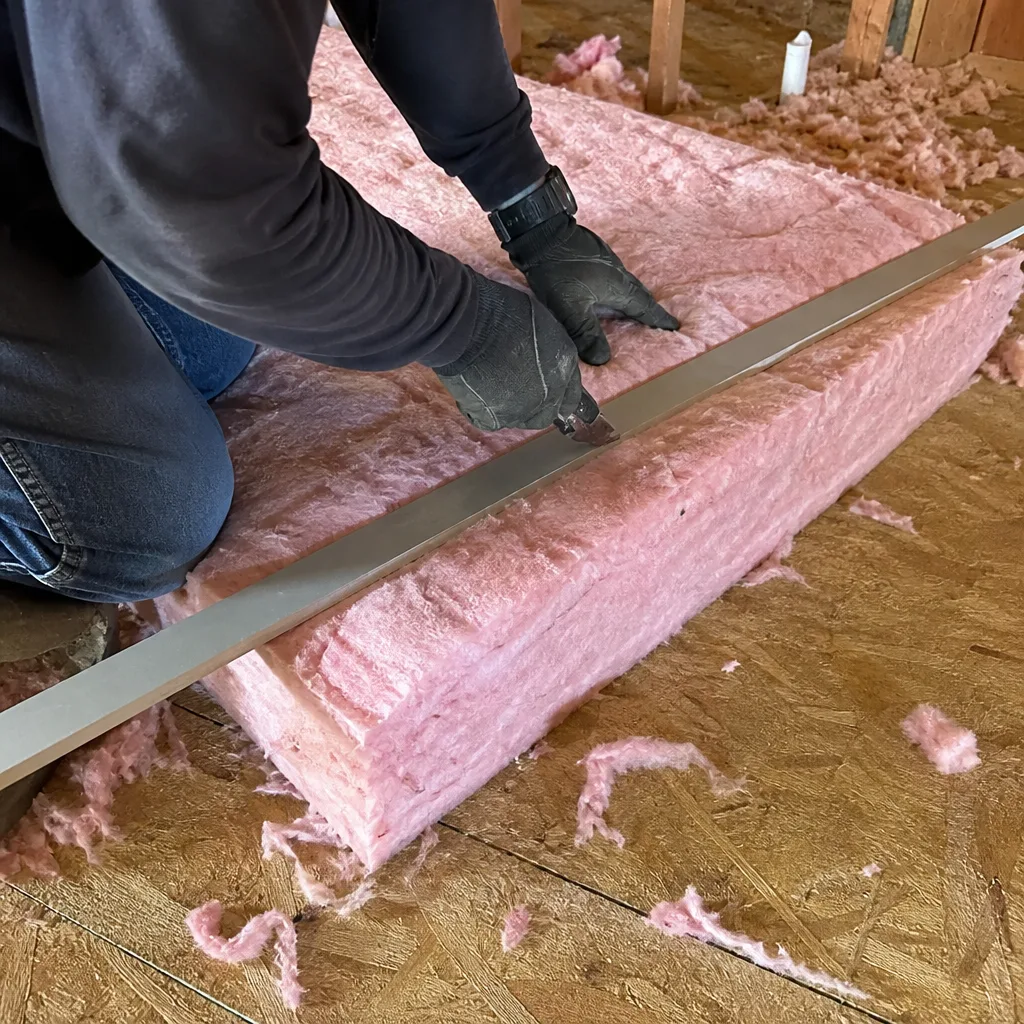
This is a question we get regularly from New Braunfels homeowners, especially those whose attics are low on both fronts. The short answer is: they do different jobs, and the right sequence matters.
Attic insulation (blown-in fiberglass or cellulose to R-38 or R-49) slows conductive heat transfer – the kind that happens when hot air sitting in the attic slowly pushes heat through your ceiling drywall. A radiant barrier reduces the amount of heat that gets into the attic air in the first place by reflecting solar radiation at the roof deck level.
Ideally, you do both. But if budget is a constraint, the sequencing should be: seal the air bypasses first, then assess. In some New Braunfels homes, air sealing alone produces a measurable cooling improvement before any new material goes in. After sealing, adding insulation to code depth is usually the highest-impact next step if you’re well below R-30. The radiant barrier is additive on top of that – it’s most effective in a well-insulated, well-sealed attic because it’s addressing the radiant component of heat gain that insulation alone doesn’t stop.
We’ll tell you what we actually found in your attic and recommend the sequence that makes the most physical sense for your home. That’s the job.
FAQs – Radiant Barrier Installation Cost in New Braunfels
How much does radiant barrier installation cost in New Braunfels in 2026?
Most radiant barrier installations in New Braunfels run between $1,400 and $3,200 depending on attic size, roofline complexity, and whether air sealing or insulation work is included. The most common range for a 1,800-2,200 sq ft home with a straightforward gable roof is $1,700-$2,200. Attic floor application (less effective but lower labor cost) runs $700-$1,400. Call (830) 243-6352 for a written estimate based on what’s actually in your attic – the estimate visit is free and includes a photo record.
Is radiant barrier installation worth it in New Braunfels specifically?
Yes, more so than in most U.S. markets. New Braunfels sits in IECC Climate Zone 2 with roughly 220 sunny days per year and summer attic temperatures that regularly exceed 155°F. Research on comparable humid-hot climates documents cooling load reductions of 8-12% from properly installed rafter-applied barriers. On a typical New Braunfels summer electric bill of $280-$380, that’s a real number. The payback period for a $1,800-$2,400 installation, when combined with proper air sealing, is generally 5-9 years in this market.
How long does radiant barrier installation take in New Braunfels?
A standard rafter-applied installation on a 1,500-2,000 sq ft attic footprint takes 4-7 hours for a two-person crew. Add 2-4 hours if air sealing is included in the same visit. Complex rooflines, very low attic clearances (common in some of the older New Braunfels neighborhoods near downtown and the Sophienburg area), or significant ductwork obstacles can extend the timeline. We give you the realistic scope upfront, not a best-case estimate that turns into an all-day job.
Can I install a radiant barrier myself to save money?
Technically yes – foil radiant barrier material is available at home improvement stores for roughly $0.15-$0.25 per square foot. But the labor cost is where most DIY attempts run into trouble. Working in a New Braunfels attic in any month between April and October is physically brutal. More practically, DIY installs frequently leave gaps at seams, miss the overlap requirements, or block soffit ventilation – all of which reduce effectiveness. Improper seam sealing in a humid climate can also trap moisture against the roof decking. If you’re considering it, at minimum, get a professional to assess and air-seal first. The air sealing is not safely DIY-able around live electrical penetrations and recessed lights.
Does a radiant barrier replace attic insulation?
No. A radiant barrier and attic insulation address different heat transfer mechanisms and are not interchangeable. Insulation slows conductive heat transfer through your ceiling; a radiant barrier reduces the radiant solar heat that enters the attic air space in the first place. In New Braunfels, where solar gain is extreme and humidity adds a moisture management dimension, both are worth having. Most homes that call us for a radiant barrier estimate also have insulation at R-15 to R-22 – well below the current recommended R-38 minimum – so we often end up quoting both in one written scope. You’ll see the line items separately so you can decide what to address first.
Will a radiant barrier affect my roof warranty?
This question comes up regularly in New Braunfels, particularly from homeowners with newer composition shingle roofs. The concern is that a radiant barrier increases shingle temperatures by reflecting heat back upward rather than letting it dissipate into the attic. Research on this effect shows minimal impact – typically a 2-5°F increase in shingle surface temperature – which falls within normal variation and is not a documented cause of accelerated shingle wear. We use perforated foil as standard in New Braunfels, which allows some convective air movement that limits this effect. If you have a specific warranty concern, we’d recommend checking the language in your roofing warranty directly and, if needed, getting the installer’s position in writing.
Key Takeaways
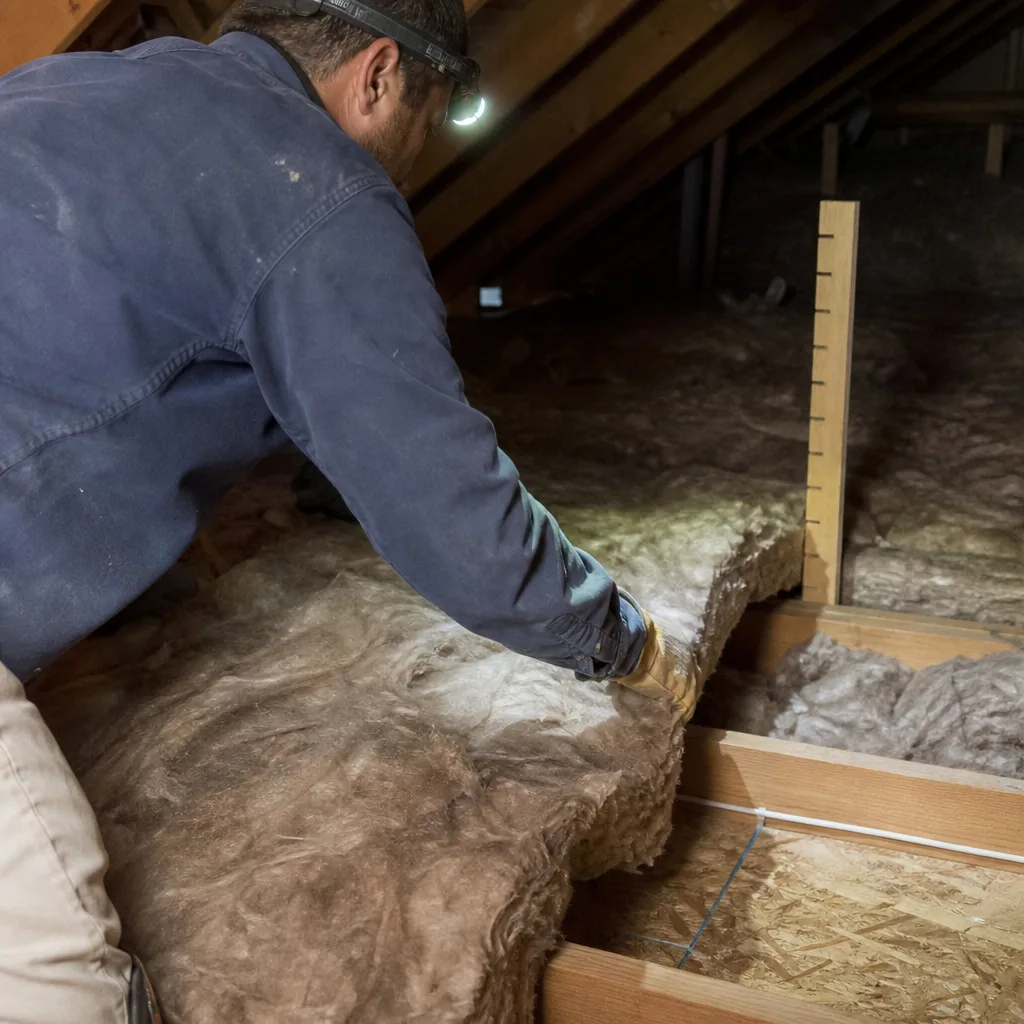
- Radiant barrier installation in New Braunfels costs $1,400-$3,200 for most homes; the most common range is $1,700-$2,400.
- Rafter application (foil stapled to the underside of roof decking) outperforms attic floor application and is the recommended method in New Braunfels’s hot, sunny climate.
- Air sealing – top plates, can lights, and penetrations – should always be completed before the barrier goes in. Skipping it produces a measurably worse outcome.
- Perforated foil is the correct product for New Braunfels’s humidity levels. Non-perforated foil costs slightly less and carries a meaningful moisture risk in this market.
- At Envelope Insulation Co., every job starts with a written price and ends with a Documented Photo Record. On jobs that include air sealing, before-and-after blower-door numbers are included.
- Wes Okafor and the team at Envelope Insulation Co. have completed work on 9,000+ homes under The Haven Standard since 2016 – every one with a written price before work started.
- The 365-Day Done Right Promise applies to all completed work: if it’s not done right, we make it right.
Get a Written Price for Your New Braunfels Home
If you’re trying to figure out whether a radiant barrier makes sense for your specific home and budget, the most useful next step is an attic visit – not a phone estimate based on square footage. We’ll get into the attic, document what we find with photos, and give you a flat written price covering every line item before anyone picks up a staple gun. Under Haven Standard Clause 1, that’s how every job starts.
We also offer a free second opinion on any written estimate you’ve already received. Bring it to us and we’ll read it with you, line by line, and tell you what’s included and what isn’t. No obligation to book with us.
To schedule an estimate visit in New Braunfels or the surrounding Comal County area, call (830) 243-6352. A live person answers – no voicemail loops, no callback windows. Or visit our home page to learn more about the full building-envelope service line we offer.
Written by Wes Okafor, Owner at Envelope Insulation Co. (operating as Topside Attic Insulation New Braunfels), serving New Braunfels since 2016.
Pricing reflects the New Braunfels market as of 2026. Topside Attic Insulation New Braunfels offers free estimates – call (830) 243-6352.
What Our Customers Say
"Crawl space encapsulation done properly. Photographs of the vapour barrier at every seam, and the damp smell in the hallway is gone."
- Ainsley P."They air-sealed the attic floor before insulating and showed me the blower-door number before and after. The upstairs is finally the same temperature as downstairs."
- Marisol D."They photographed rodent damage in the old insulation that we had no idea about, and priced the exclusion work separately so we could decide."
- Harriet N.