
Rockwool Radiant Barrier Installation: The New Braunfels Owner’s Guide
Rockwool radiant barrier installation in New Braunfels typically runs $2,800-$4,200 for a 2,000-square-foot attic when paired with proper air sealing, and most jobs we can schedule within 48 hours. The Rockwool system uses a stone wool insulation layer bonded to a reflective radiant barrier facing, which differs from foil-only products because it handles both conductive and radiant heat transfer. Most homeowners realize something’s wrong when their upstairs rooms won’t cool below 78 degrees even after the AC runs all afternoon, or when they spot the reflective facing peeling away from the batt edges in their attic.
Which Rockwool Models This Applies To
Rockwool’s radiant barrier line centers on the Comfortbatt R-23 and R-30 faced batts with aluminum-kraft reflective facing, plus the Toprock DD Plus dual-density boards used in commercial envelope applications. The critical identifier is the facing label: look for “FFR” (foil-faced radiant) or “FSK-25” stamped on the kraft backing, not the plain kraft-faced “FSK-0″ used in walls. Measure your existing batts before calling - Rockwool radiant batts run true to nominal width (15″ or 23″) but compress differently than fiberglass, so a 6-1/4″ nominal R-23 batt often measures 5-3/4” after years of attic heat cycling.
We stock OEM Rockwool facing and batt material, but for partial replacements we’ll also source Johns Manville FSK-25 equivalent when the original Rockwool facing is backordered. The aftermarket facing matches the emissivity spec (0.03 or lower) but check the temperature rating - some equivalents top out at 180°F, while Rockwool’s own facing is rated to 250°F, which matters in a New Braunfels attic that can hit 140°F ambient and 170°F+ at the roof deck. We do not use Reflectix as a substitute for Rockwool’s bonded system; it’s a different product category entirely and we stock it for duct wrap applications, not radiant barrier replacement.
Topside Attic Insulation New Braunfels is an independent service provider with no affiliation to Rockwool.
Signs Your Rockwool Radiant Barrier Installation Is Failing
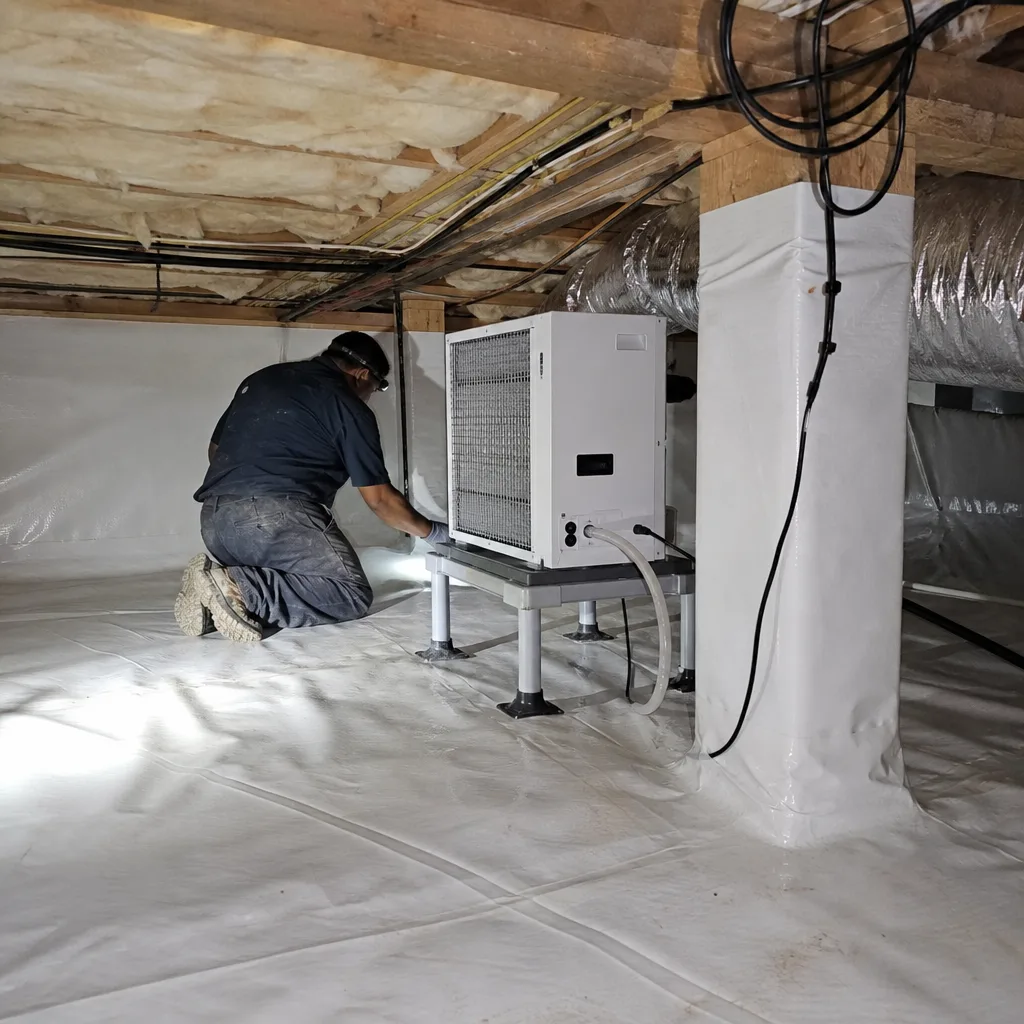
- Reflective facing delaminating from batt edges. The aluminum layer separates from the kraft substrate, usually starting at cut ends or where crews walked during original install. Once the facing lifts, the radiant barrier emissivity jumps from 0.03 to roughly 0.8 - effectively eliminating the reflective performance you paid for.
- Hot ceiling patches directly below attic joist bays. Infrared camera work we do on New Braunfels homes shows 12-18°F surface temperature differences where facing has torn or slipped out of place. The stone wool insulation still works; the radiant barrier doesn’t.
- AC runtime stretching past 6 p.m. to hold 75°F upstairs. This is the symptom that gets homeowners into their attics. The Rockwool batt itself rarely fails, but the radiant facing degradation means your roof deck is re-radiating heat well past sunset.
- Visible moisture staining on facing underside. Rockwool is hydrophobic and won’t mold, but the kraft facing can wick moisture if attic ventilation is marginal. In New Braunfels, we see this most often on homes near the Guadalupe River corridor where humidity stays elevated and soffit vents were painted over by previous owners.
- Batt compression below 4″ depth in original R-23 locations. Stone wool doesn’t settle like fiberglass, but it can be compressed by storage loads or rodent activity. A compressed batt loses R-value proportionally; a 6-1/4″ batt crushed to 4″ performs closer to R-15.
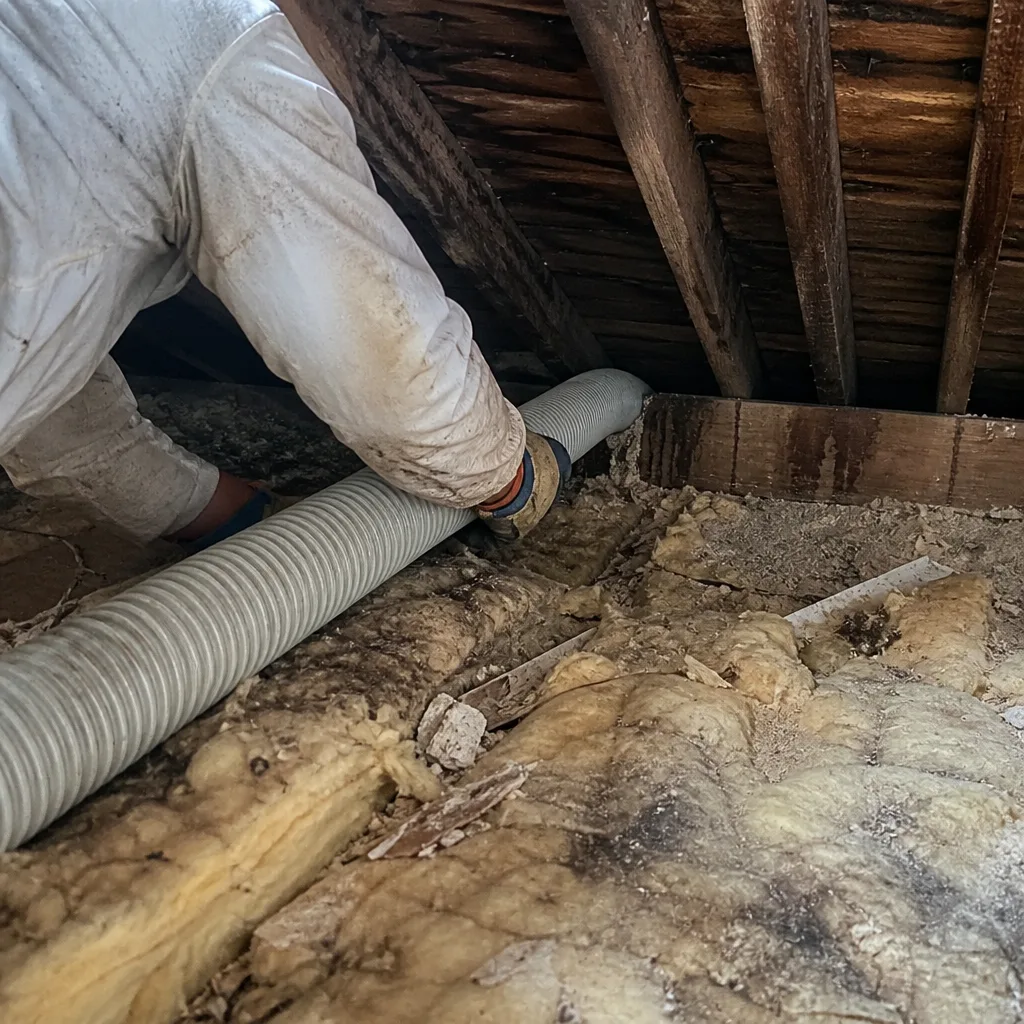 Before
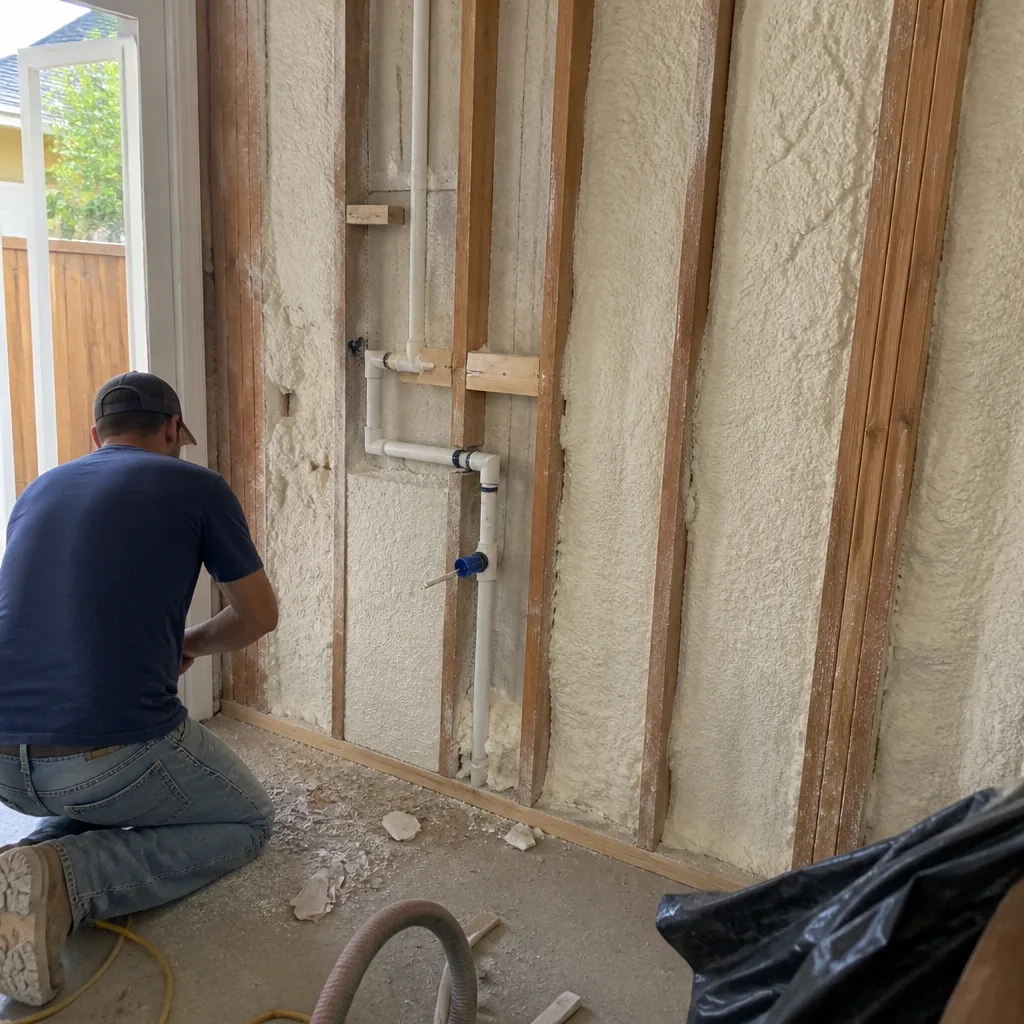 After
AfterReplacement Cost & What’s Included
| Scope | Price Range |
|---|---|
| Partial facing replacement (up to 500 sq ft, one attic zone) | $1,400-$2,100 |
| Full attic Rockwool radiant barrier replacement (1,500-2,500 sq ft) | $2,800-$4,200 |
| Add air sealing of top plates, can lights, penetrations | +$600-$1,100 |
| Blower-door test with printed pre/post report | Included on full replacements |
What drives the range: attic square footage is obvious, but access difficulty matters more than most homeowners expect. A 12/12 pitch roof with a scuttle hole in a closet costs more in labor than a walk-up attic with standing headroom. We also factor in whether we’re removing and replacing existing batts or overlaying new Rockwool on degraded material - we don’t recommend the latter, but we’ll quote both approaches. Every full replacement includes our 365-Day Done Right Promise and a Documented Photo Record delivered before we leave. Written price before any work starts, per Haven Standard Clause 1.
DIY or Call Us?
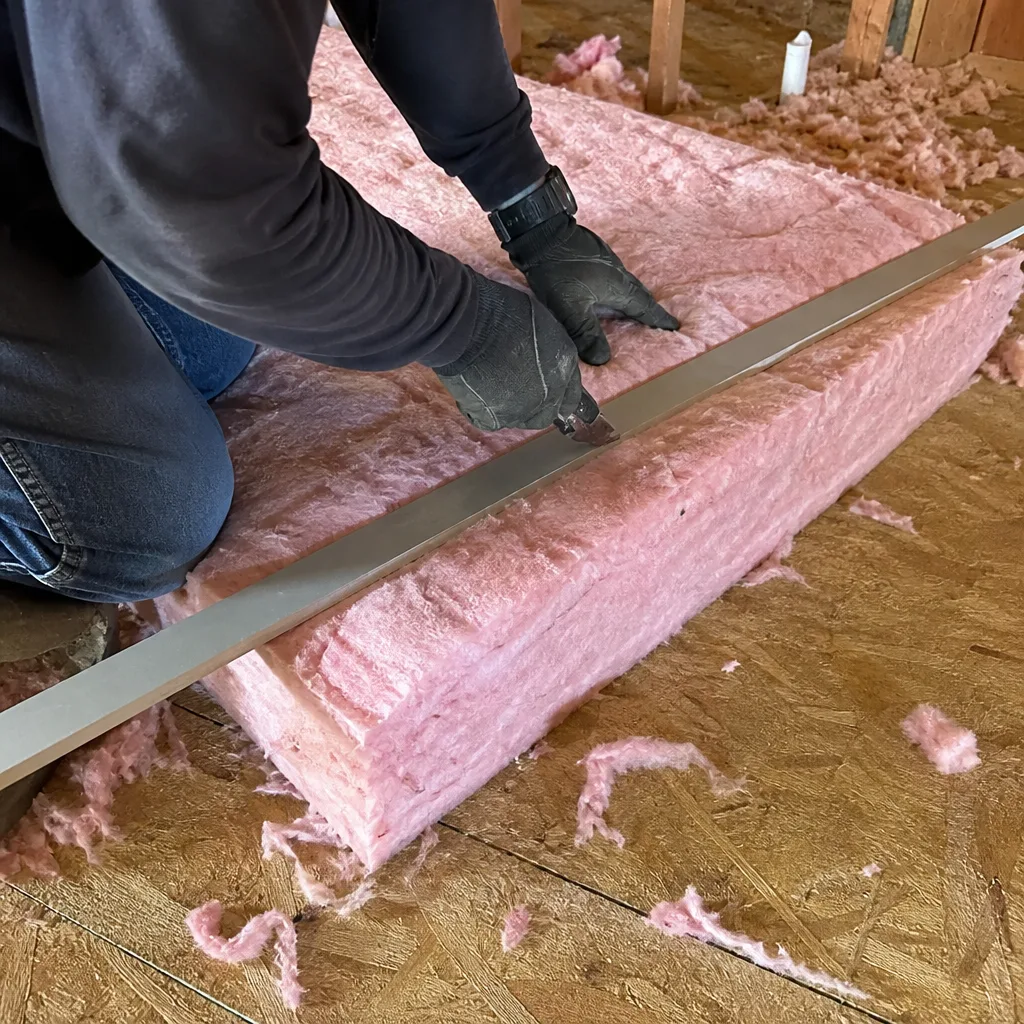
Here’s what you can safely check: measure your batt thickness with a yardstick, photograph any facing damage for our text line, and verify your attic ventilation isn’t blocked. What goes wrong fast: walking on ceiling drywall, disturbing electrical junctions buried under insulation, and compressing new batts while trying to fit them around truss webs. Rockwool batts are dense - roughly 2.5 times the weight of fiberglass - and a 23″ wide R-30 batt is awkward to maneuver through a scuttle hole without tearing the facing. The radiant barrier only works if the facing stays pristine; one knee placement in the wrong spot and you’ve bought a conductive batt with no reflective performance. For the facing replacement itself, the aluminum-kraft laminate requires a specific overlap and staple pattern to maintain the vapor barrier continuity. Call (830) 243-6352 - we’ll read your photos and give you a written price before we schedule.
FAQs
The stone wool substrate lasts 50+ years; the reflective facing is the wear item, typically showing degradation at 15-22 years in Central Texas attics. The intense solar load on south-facing roof decks in New Braunfels accelerates facing embrittlement compared to milder climates. We check facing condition during every energy audit and can show you exactly what yours looks like with our attic photos. Call (830) 243-6352 for a free estimate - estimates include the photo documentation.
Small tears can be patched with foil tape rated to 200°F, but delamination across more than 10% of the attic area means replacement. Patching is a stopgap that creates thermal bridges at every seam; the emissivity jumps at each tape edge. We’ve done patch jobs for homeowners who needed to defer full replacement, but we document the limitation in writing before we start. For an honest assessment of whether your facing is patchable or done, text us photos at (830) 243-6352.
Most residential attics in New Braunfels take one long day or two standard days: half day for air sealing and blower-door pre-test, half day for batt placement and facing verification, final blower-door run and photo documentation. We don’t rush the sealing work - the number on the blower-door printout tells you what the insulation did. Everything else is just talk. Homes off River Road with complex rooflines or multiple attic zones may need a third day. You’ll get a written schedule with your price, not a window.
We keep Comfortbatt R-23 FFR and Toprock DD Plus in our New Braunfels warehouse, with facing material and compatible fasteners on every truck. For R-30 batts or specialty widths, we pull from our San Antonio supplier with 24-hour turnaround. We do not start jobs with material we don’t have in hand - another Haven Standard clause. If you need a specific Rockwool SKU verified, call (830) 243-6352 and we’ll cross-reference your attic measurements against stock.
Written by Wes Okafor, Owner, Topside Attic Insulation New Braunfels at Topside Attic Insulation New Braunfels, serving New Braunfels and nearby areas.