
Owens Corning Vapor Barrier Installation: The New Braunfels Owner’s Guide
Owens Corning vapor barrier installation in New Braunfels typically runs $1,800-$3,400 for a full crawl space or attic application, depending on square footage and whether we’re sealing over bare earth or replacing a failed existing barrier. Most jobs we price in the morning are underway by afternoon, and we stock 6-mil and 10-mil reinforced polyethylene rolls cut to standard New Braunfels foundation dimensions on every truck. Homeowners usually figure out something’s wrong when they notice a musty smell that won’t quit, find fiberglass insulation drooping and dark at the bottom, or spot condensation beading on ductwork in a June crawl space - all signs that moisture is migrating through a torn, displaced, or never-installed vapor barrier and doing damage you can’t see from the living room.
Which Owens Corning Models This Applies To
Owens Corning doesn’t sell vapor barrier as a standalone “model” the way they sell insulation batts by R-value. What you’re looking for is compatibility between the barrier material and the Owens Corning insulation system already in place - typically EcoTouch PINK Fiberglas, ProPink blown-in, or FOAMULAR rigid board in New Braunfels attics and crawl spaces.
Here’s how to identify what you’ve got and what matches. Check the kraft paper facing or polypropylene wrap on existing batts for the Owens Corning logo and product code - usually a string starting with “M” or “P” followed by digits. Measure your crawl space or attic floor in feet; our 6-mil reinforced polyethylene comes in 12-foot and 16-foot widths, which covers most slab-on-grade homes in the Oak Run and River Chase subdivisions without seaming. The 10-mil goes over rougher earth or where rodent activity has been an issue.
OEM versus aftermarket: Owens Corning sources their branded vapor retarder products through distribution partners, and the spec is identical to commercial-grade reinforced poly we pull from our Johns Manville and CertainTeed supply lines. We don’t upsell a “genuine” label when the mil rating, permeance, and ASTM E1745 Class A classification match. What matters is whether the barrier is continuous, sealed at seams with pressure-sensitive tape rated for damp locations, and run six inches up foundation walls - not whose name is on the roll.
One compatibility gotcha we see in older New Braunfels builds, especially the 1980s ranch stock off Common Street: some homeowners have Reflectix radiant barrier installed on the crawl space ceiling, with a separate vapor barrier on the ground. Adding a new poly barrier without checking whether the Reflectix is acting as a second vapor retarder can trap moisture between layers. We check that before we quote.
Signs Your Owens Corning Vapor Barrier Installation Is Failing
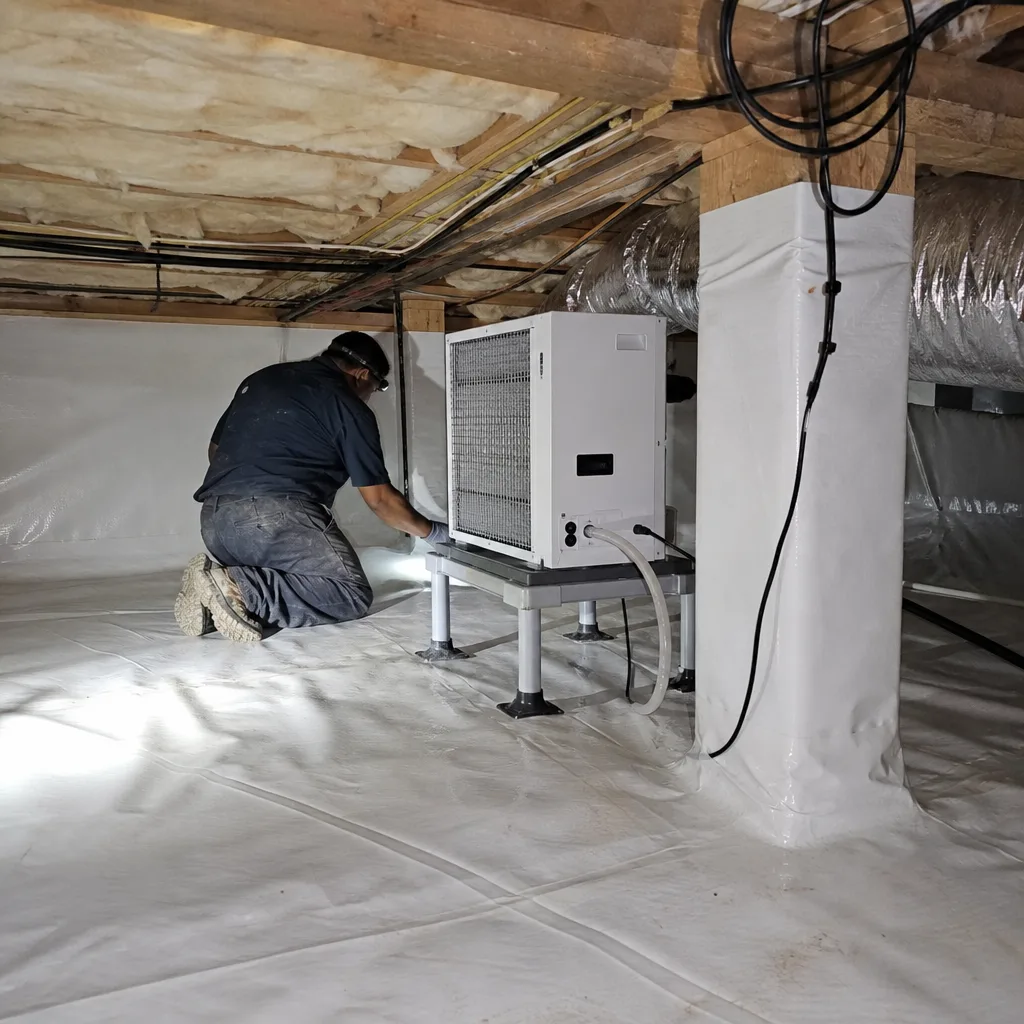
- Musty odor that persists after normal cleaning. Moisture passing through a compromised barrier raises the relative humidity in crawl space air above 70 percent, which activates mold spores on joists and subfloor. In New Braunfels, where the Guadalupe Valley clay holds groundwater close to the surface, this happens faster than in hill-country rock.
- Fiberglass insulation sagging or darkening at the bottom. Owens Corning EcoTouch batts lose their loft when the facing absorbs moisture from below. Once the binder breaks down, the R-value drops by half even if the batt looks intact from above.
- Condensation on ductwork or plumbing lines. Cold surfaces in a humid crawl space reach dew point quickly. We see this especially on flex duct runs in homes near the Comal River, where the water table sits higher and summer ground temperatures stay in the low 70s.
- Soft or cupping hardwood floors above the crawl space. Vapor drive from below pushes moisture through the subfloor, causing boards to swell at the edges. By the time this is visible, the barrier has likely been breached for two or more seasons.
- Increased energy bills with no change in thermostat setting. Wet insulation conducts heat rather than resisting it. A crawl space with saturated R-19 performs closer to R-5, forcing your HVAC to run longer cycles - something the blower-door test will quantify if air leakage has also increased.
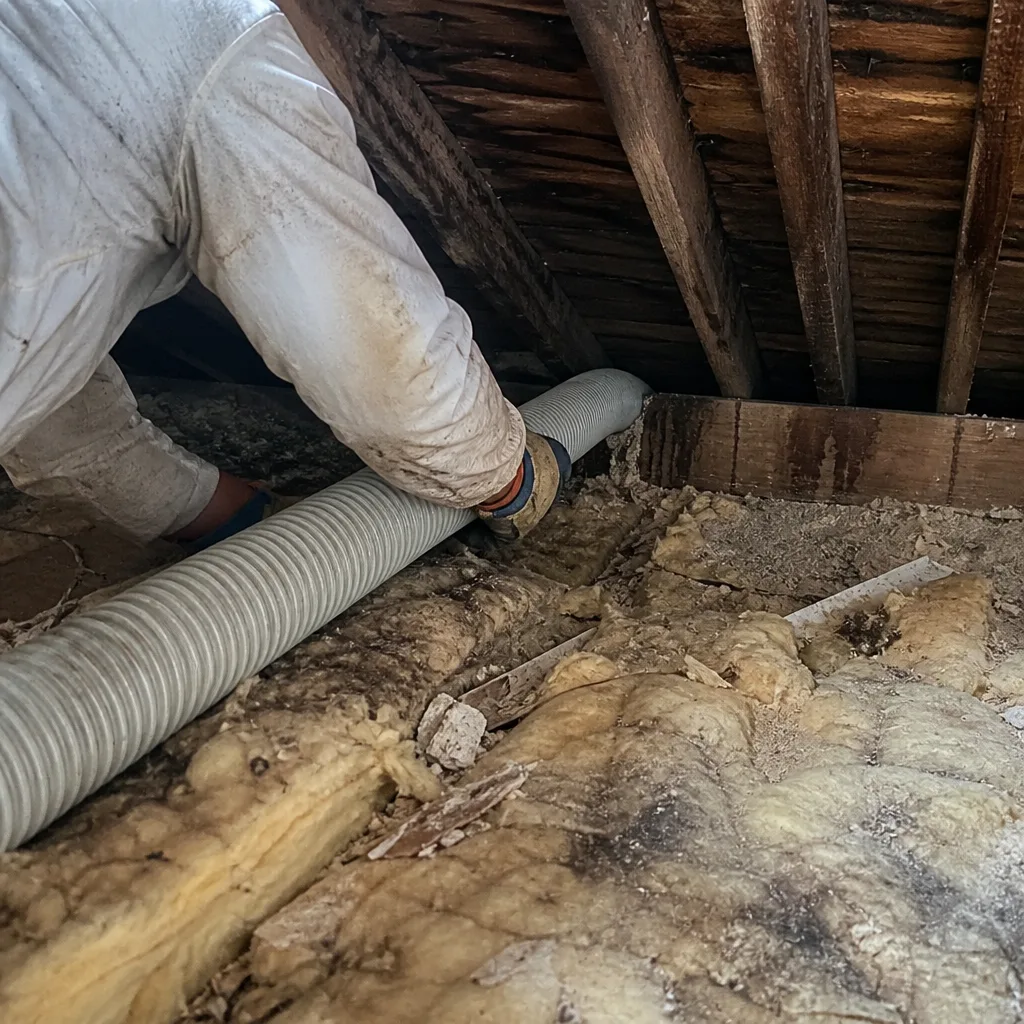 Before
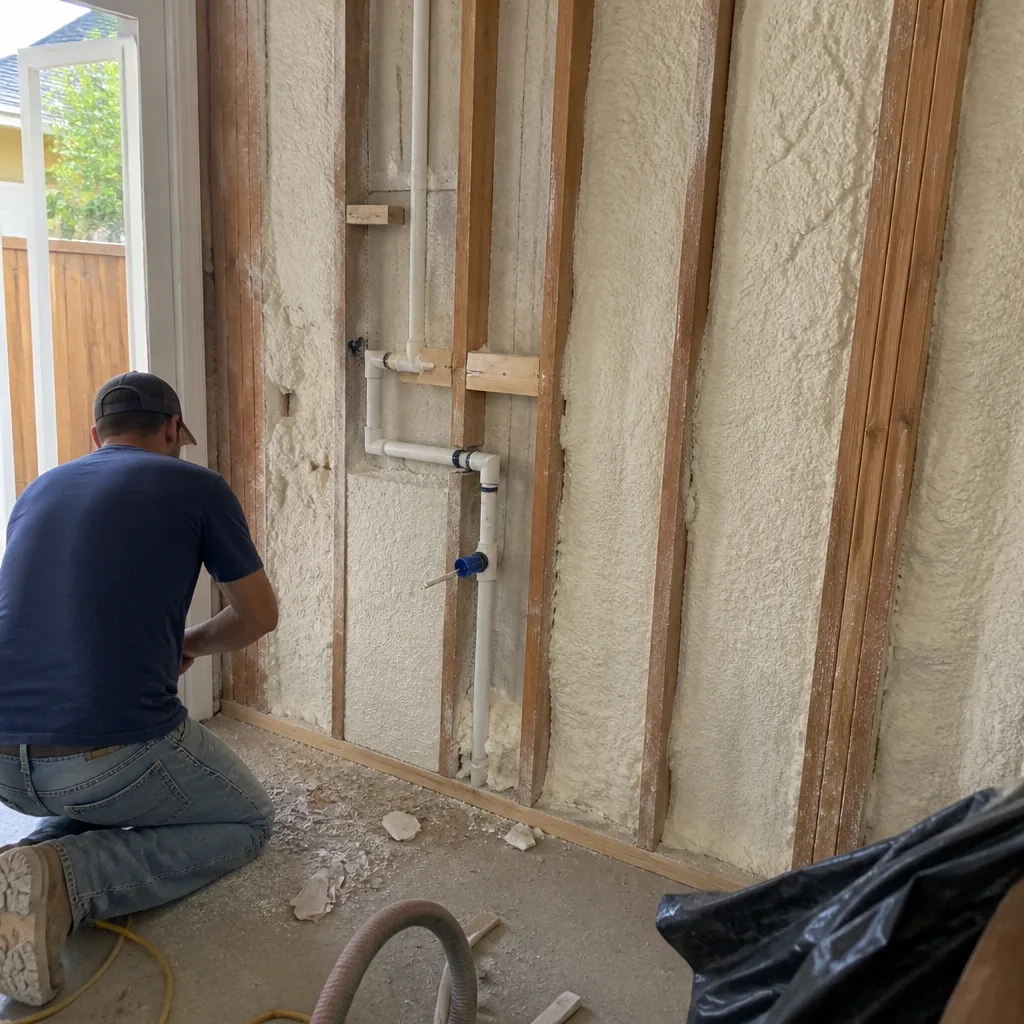 After
AfterReplacement Cost & What’s Included
| Scope | Typical Range in New Braunfels |
|---|---|
| Crawl space vapor barrier only, 6-mil poly, up to 1,200 sq ft | $1,800 - $2,600 |
| Crawl space vapor barrier, 10-mil reinforced, up to 1,200 sq ft | $2,400 - $3,100 |
| Attic vapor retarder installation with existing insulation removal | $2,800 - $3,800 |
| Full encapsulation: barrier + seam sealing + wall extension + dehumidifier prep | $3,500 - $5,200 |
What moves the number: square footage, accessibility (we’ve crawled through 18-inch clearance in historic New Braunfels pier-and-beam homes), whether we’re removing old saturated material, and whether the foundation walls need sealing too. Every quote is a written price before any work starts - Haven Standard Clause 1 - and includes the Documented Photo Record you’ll receive at completion. We warranty the installation for 365 days under our Done Right Promise; material defects beyond that fall to the manufacturer’s spec.
We don’t charge to look. Bring us a competing written estimate and we’ll walk through it with you - our Free Second Opinion, no obligation.
DIY or Call Us?
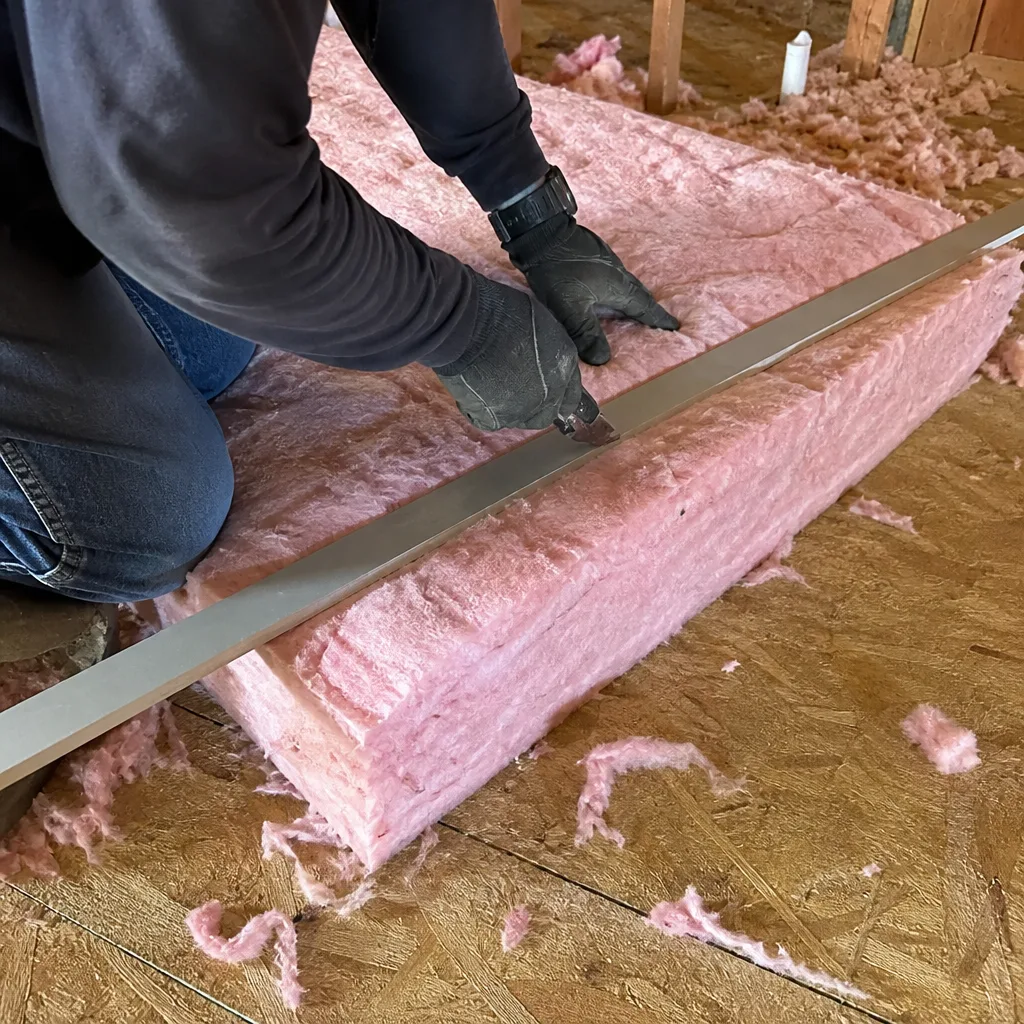
What you can safely check: look for standing water, tears in existing poly, or gaps where the barrier has pulled away from foundation walls. Use a flashlight, not your hands - crawl spaces harbor more than moisture.
Where DIY goes wrong: cutting and seaming polyethylene in a confined space with irregular piers and duct obstructions is tedious work, and one unseamed overlap or puncture from a knee negates the entire installation. More critically, if your crawl space has active mold, disturbed spores become airborne without proper containment. We carry HEPA-rated equipment and negative-air setups for that reason.
The number on the blower-door printout tells you what the insulation did. Everything else is just talk. If you want to know whether your vapor barrier failure has also opened air leaks you can’t see, we’ll run the test and show you the pre- and post-job numbers. Call (830) 243-6352 - a live person answers, even at 10 p.m. on a Sunday.
FAQs
A properly installed 6-mil reinforced poly barrier lasts 15-20 years in this climate; 10-mil can push 25. The killer is what happens on top of it - rodent nesting, storage traffic, or groundwater events after heavy Hill Country rains. We inspect barrier condition as part of our annual check-ins for repeat customers.
Small punctures under six inches can be patched with pressure-sensitive tape rated for polyethylene, but tears along seams, widespread embrittlement, or any section lying in standing water means replacement. Patched barriers leak at the patch edge within two to three years in our experience. Call (830) 243-6352 and we’ll tell you which category you’re in - estimates are free.
Most crawl spaces under 1,500 square feet are done in a single day, four to six hours of crew time. Attic vapor retarder work takes longer if we’re removing wet existing material first. We schedule start times, not windows - Haven Standard: Arrive on schedule, you get a named technician and a text when they are on the way.
We stock 6-mil and 10-mil reinforced polyethylene in widths and lengths that match standard New Braunfels foundation footprints, sourced through our Owens Corning, Johns Manville, and CertainTeed supply partners. Same-day installation is available for most calls placed before noon. Topside Attic Insulation New Braunfels is an independent service provider and is not affiliated with Owens Corning Corporation.
Written by Wes Okafor, Owner, Topside Attic Insulation New Braunfels at Topside Attic Insulation New Braunfels, serving New Braunfels and nearby areas.