

Fast, Reliable Blown-In Insulation Across Canyon Lake
Blown-in insulation in Canyon Lake typically runs $1.80-$3.40 per square foot for attic work and $2.50-$4.20 per square foot for dense-packed wall cavities, with most cabin retrofits completed in one day. Our crews serve Canyon Lake from our San Antonio dispatch office, and we carry Owens Corning and GreenFiber materials stocked for Hill Country jobs. Call (830) 243-6352 for a written price before any work starts - that’s Haven Standard Clause 1, no exceptions.
We’ve been pulling attic hatches on Canyon Lake properties since 2016, and the story rarely changes: a 1970s weekend cabin built to Comal County’s seasonal-use standards, now struggling through August with the AC running nonstop. The lake draws people here. The thin walls and bare attic decks drive them to call us.
Why Topside Attic Insulation New Braunfels Is Canyon Lake’s Preferred Blown-In Insulation Company
Our reputation in Canyon Lake was built on documentation, not slogans. Every job closes with a Blown-In Insulation crew member walking the homeowner through a photo record of what was found, what was sealed, and what went in. On air-sealing jobs, you get before-and-after blower-door numbers - a pressurization reading that shows, in one figure, how much conditioned air your building envelope was losing before we started and how much it holds now.
Canyon Lake customers specifically mention our response time in reviews. We’re typically on-site within 24-48 hours of call receipt, and scheduling is coordinated from our San Antonio office with crews already running the Hill Country corridor. No voicemail loops - a live person answers calls 24/7.
We know the local permitting landscape. Comal County’s vacation-build era left a housing stock that confuses contractors from conventional markets. Our crews recognize pier-and-beam crawl spaces with open skirt foundations, attic assemblies with 6-inch joist bays, and the retrofit challenges of low-slope lake cabins where headroom is already tight. That local fluency saves time and prevents the mismatched-spec problems that happen when a crew treats a 1974 cabin like a 2014 subdivision build.
Our Blown-In Insulation Services in Canyon Lake
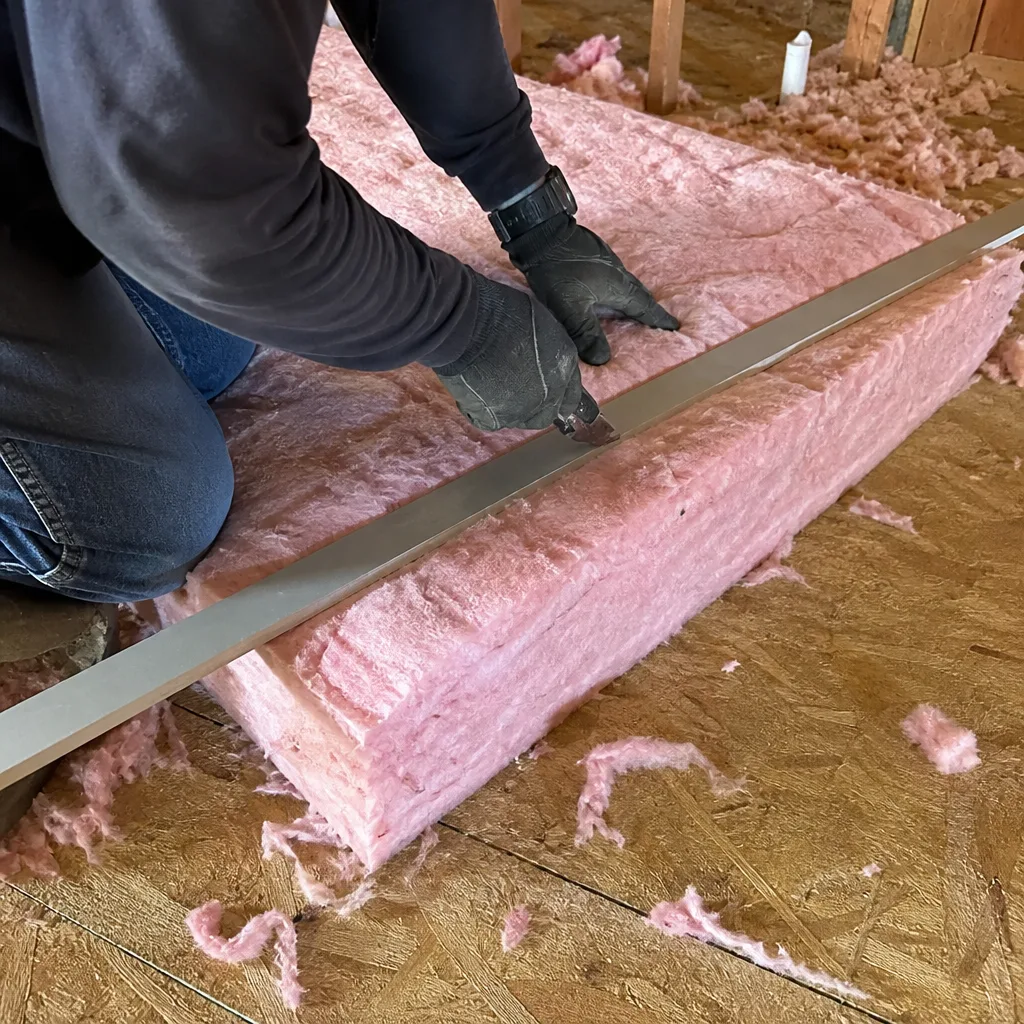
Blown-In Cellulose
GreenFiber cellulose is our go-to for Canyon Lake attic retrofits. It’s treated with borate for fire and pest resistance, packs well into irregular joist bays, and delivers R-3.2 to R-3.8 per inch - critical when you’re trying to hit R-38 in a 6-inch bay on a low-ceiling cabin near Canyon Lake Dam. We blow it over a sealed ceiling plane, never over unsealed top plates or can-light penetrations. The material settles slightly; we account for that in our depth markers and document the installed weight per square foot in your job record.
Blown-In Fiberglass
Johns Manville blown fiberglass works well for Canyon Lake’s newer construction - the 2000s-era year-round homes on the north shore with deeper truss bays and fewer air-leak pathways. It doesn’t settle like cellulose, and it’s the better choice when moisture history is a concern. We stock it for jobs where the attic is clean, dry, and already air-sealed to Haven Standard.
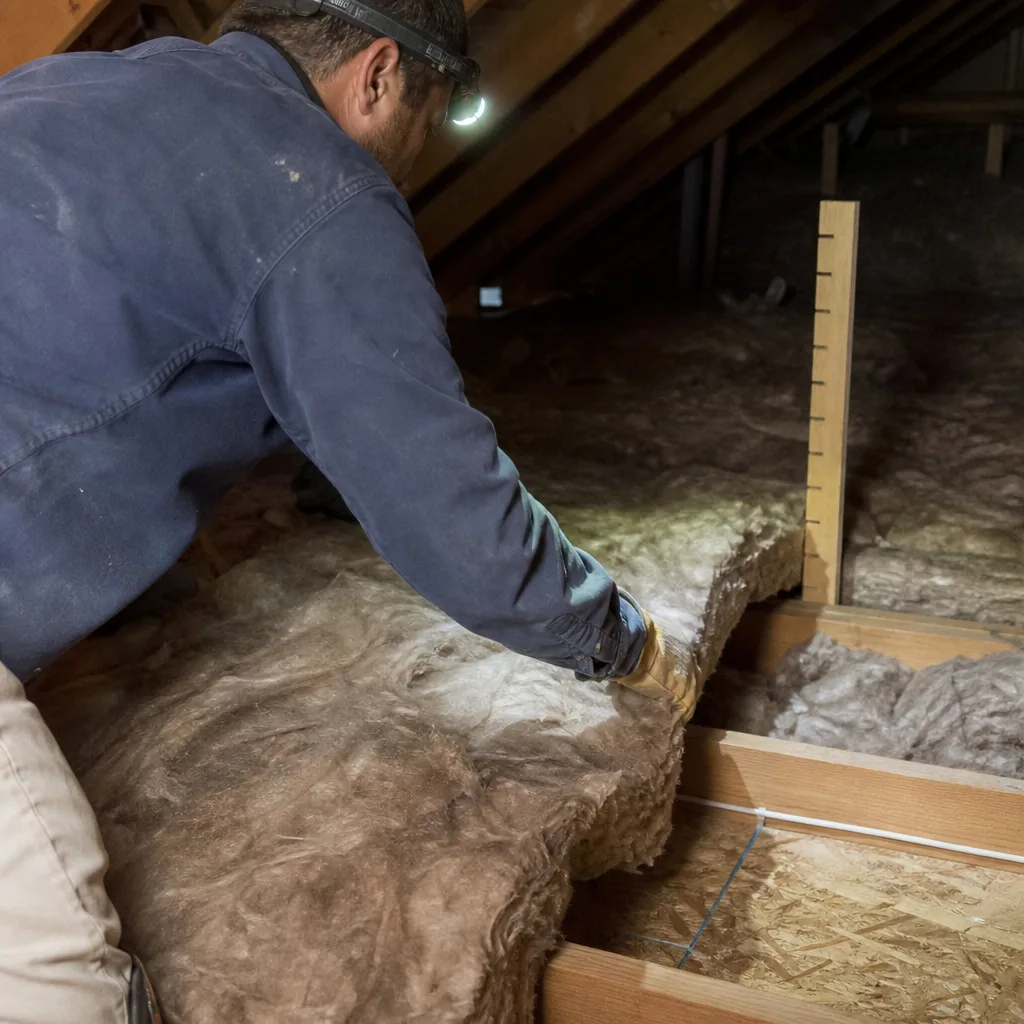
Dense-Pack Wall Insulation
This is where we spend a lot of time on Canyon Lake’s older cabins. The 1960s-1980s wood-frame lake houses have wall cavities that are either empty or holding fallen, rodent-compressed fiberglass batts that no longer loft. Dense-packing - blowing cellulose at 3.5-4.0 pounds per cubic foot into closed cavities - fills every void without removing interior drywall. We drill access holes at stud-bay intervals, pack the cavity under pressure, and patch with matched siding or interior texture. For STR owners near Startzville and Cranes Mill, this is often the single biggest comfort upgrade available without a gut renovation.
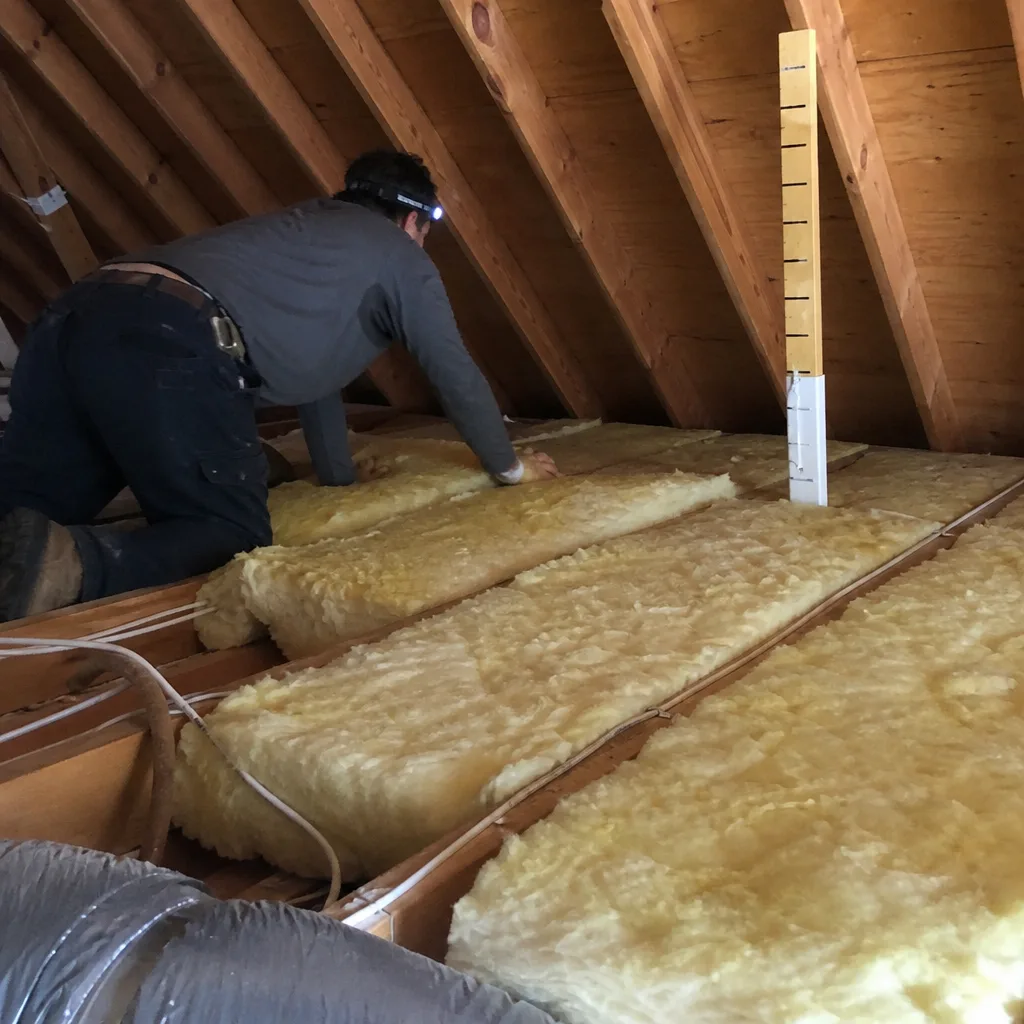
Blown-In Top-Up
Some Canyon Lake homes have existing insulation that’s merely thin, not ruined. If your attic holds R-19 fiberglass batts in reasonable condition, we can blow cellulose or fiberglass over the top to reach target depth - but only after we verify the existing material isn’t moisture-compromised, rodent-contaminated, or compressed beyond recovery. We don’t bury problems. The photo record shows what was there before we added anything.
What happens when you call
- 1
A real person answersNo phone trees - you reach a local pro.
- 2
You get an upfront price rangeHonest numbers before anyone is dispatched.
- 3
A background-checked tech heads outLicensed & insured, dispatched right away.
- 4
You approve before work beginsNothing starts until you say go.
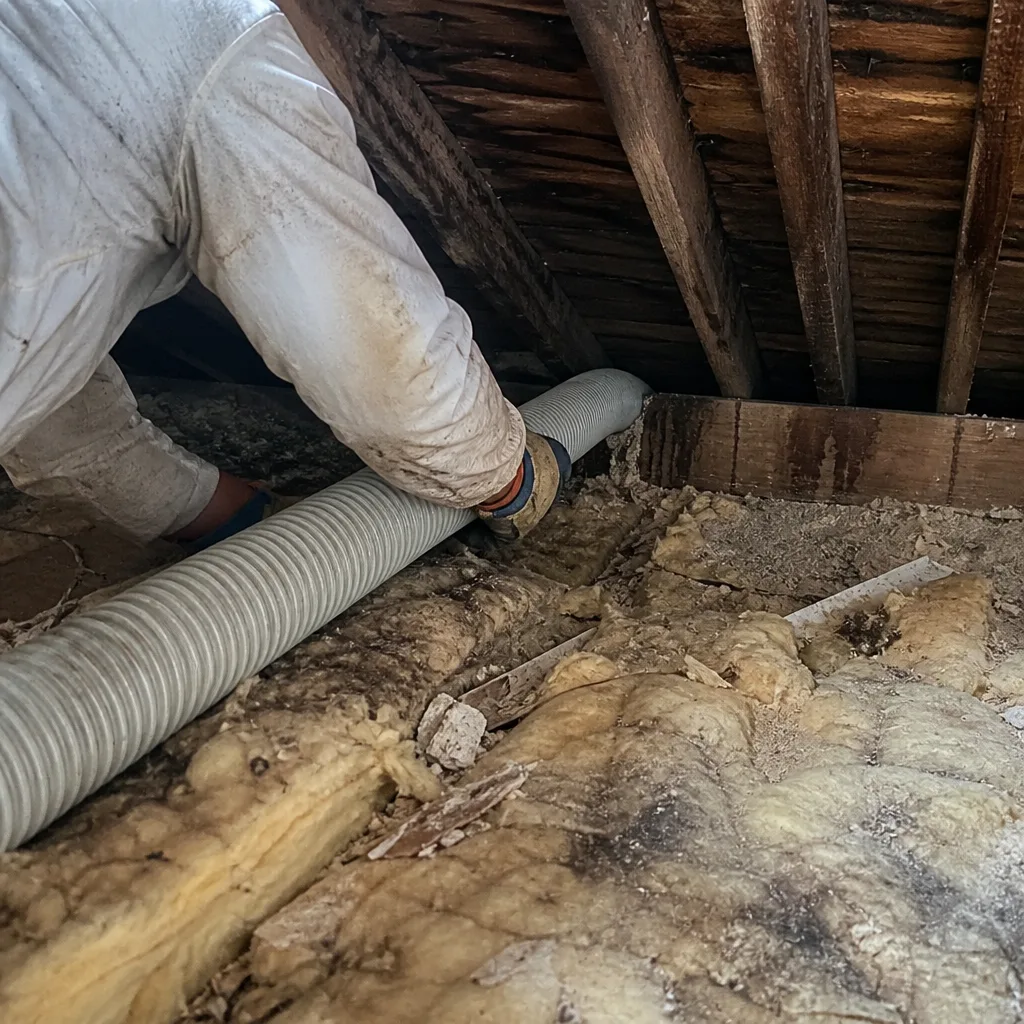 Before
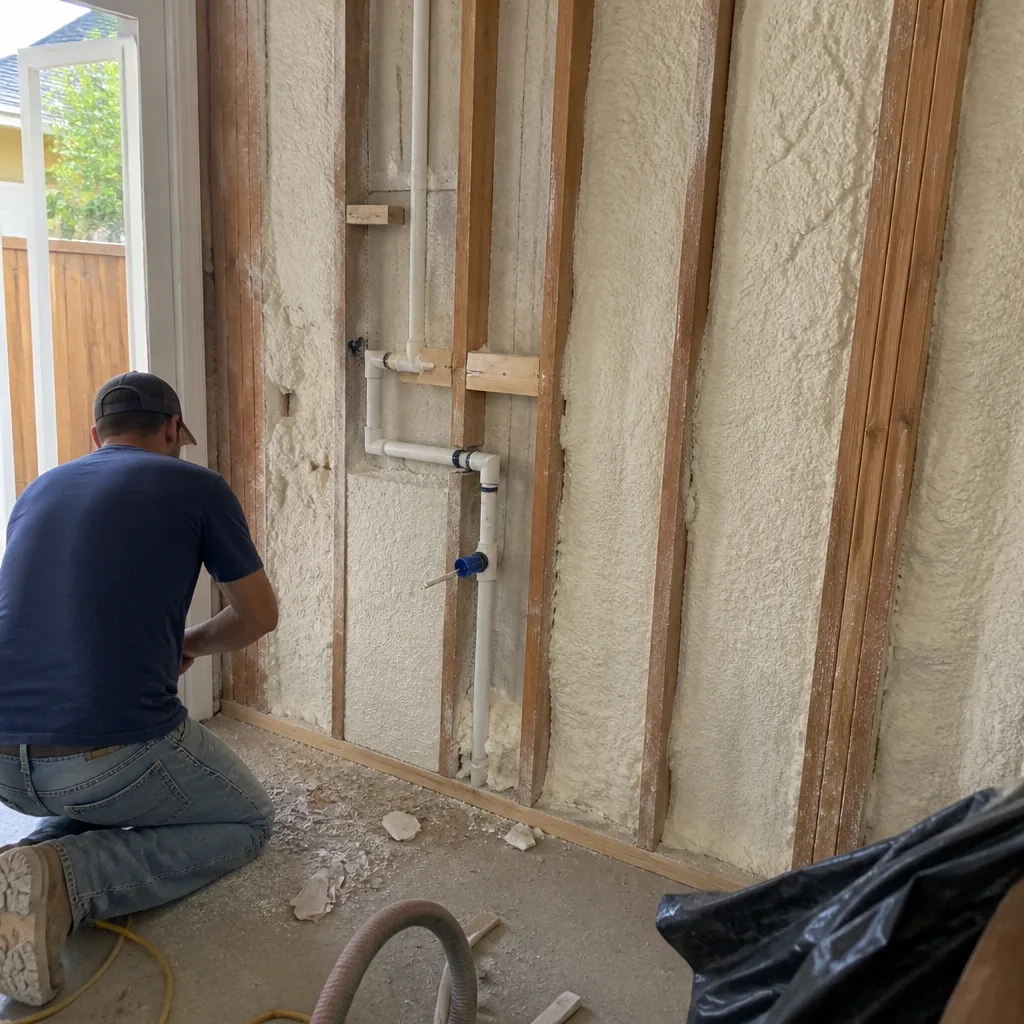 After
AfterTrusted Brands We Service in Canyon Lake
We source blown-in materials from Owens Corning, Johns Manville, and GreenFiber - no proprietary lock-in, no house-brand substitutions. For Canyon Lake jobs, we stock GreenFiber cellulose and Owens Corning fiberglass at our San Antonio warehouse, which means no supply-chain delays when a cabin owner needs work done between checkout and check-in. Every bag is labeled with its R-value per inch and settled density; we photograph the lot numbers for your record. If you have a preference based on prior experience or STR platform requirements, we accommodate it within the written scope.
Common Blown-In Insulation Problems We See in Canyon Lake Homes
- Bare attic decks with no insulation at all. We routinely pull hatches on Startzville cabins and find nothing but planks spanning the joists - 1960s Comal County seasonal-build permits required almost nothing above the ceiling. Hill Country summer heat drives straight through that gap into living space.
- Fallen, rodent-compressed fiberglass batts in wall cavities. The original batts in 1970s lake cabins have collapsed into the bottom third of the cavity, creating a convection loop that moves hot exterior air up the wall and into the room. Blown-in top-ups won’t fix this; dense-packing or removal is required.
- Moisture-saturated insulation from freeze events. Winter Storm Uri burst pipes in thin-walled Canyon Lake cabins, and the water found its way into attic assemblies and wall cavities. Wet insulation loses R-value, grows mold, and can’t be topped up until it’s fully removed and the moisture source is fixed.
- Air leaks through unsealed top plates and can lights. Even cabins with some attic insulation lose performance when conditioned air escapes through gaps at the ceiling plane. We seal first, then insulate - in that order. Every time.
Pricing for Blown-In Insulation in Canyon Lake, TX
Most attic insulation jobs in a Canyon Lake cabin run between $2,400 and $5,800 depending on square footage, existing conditions, and target R-value. Dense-pack wall insulation for a typical 1,200-square-foot cabin runs $3,200-$6,400. Blown-in top-ups, where existing material is viable, run $1.40-$2.20 per square foot. These are 2024-2025 ranges for the Comal County market; material costs have stabilized after the 2021-2022 spikes.
What moves the number: accessibility (steep roof pitches and tight crawl spaces add labor), removal of contaminated existing material, and air-sealing scope before the blower truck arrives. We give you a flat price in writing before anyone lifts a tool - Haven Standard Clause 1 - and we offer a Free Second Opinion on any competing written estimate. Call (830) 243-6352 for exact pricing on your property.
We Also Serve Cities Near Canyon Lake
Our crews run the full corridor: Canyon Lake properties are scheduled alongside jobs in New Braunfels, Bulverde, Schertz, and Cibolo. Same materials, same documentation standards, same written-price-first protocol. If you’re comparing contractors across the metro, bring us any written estimate - we’ll read it with you.
Serving Canyon Lake, TX - Our Local Coverage Area
We’re based in the Canyon Lake area and know this community well. Use the map below to see our service coverage - if you’re nearby, we can almost certainly help.
FAQs - Blown-In Insulation in Canyon Lake
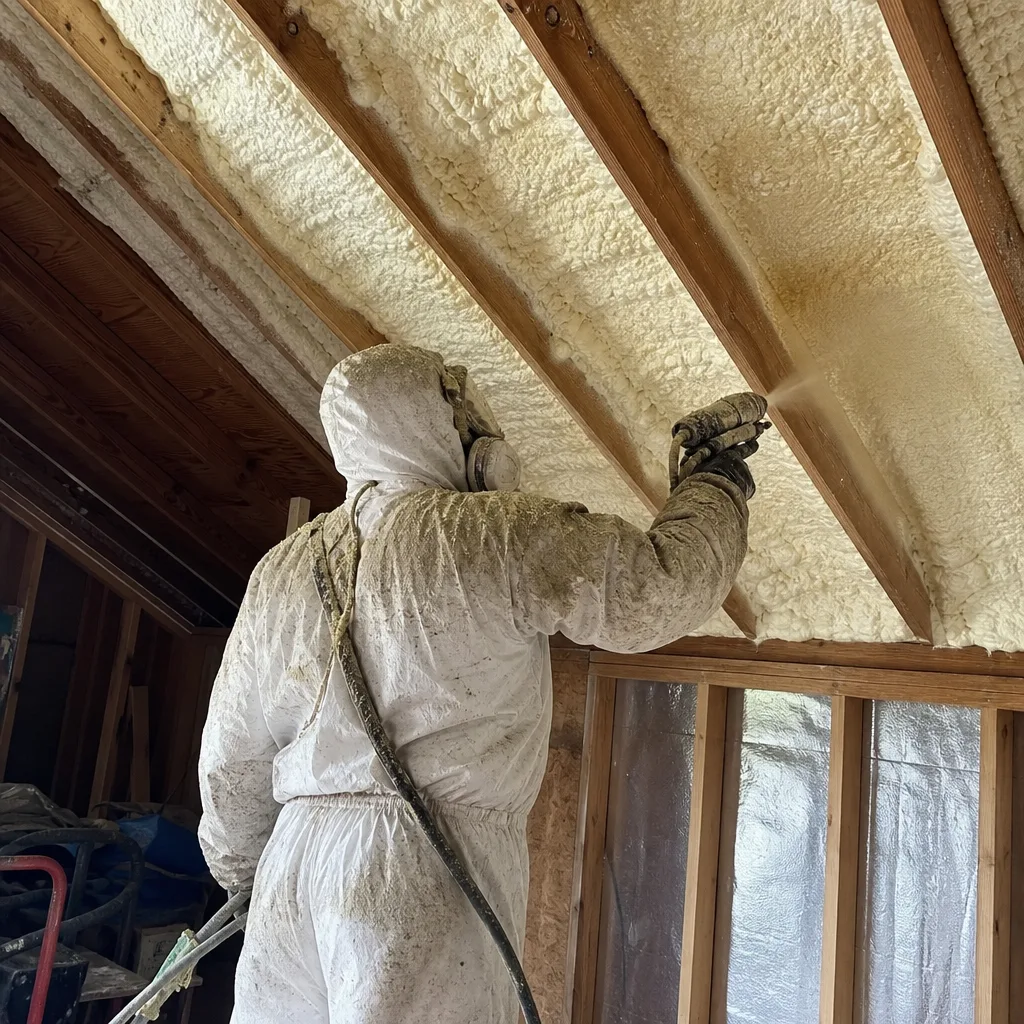
Yes. We’ve converted dozens of 1960s-1980s Comal County vacation cabins to year-round comfort using dense-packed walls and blown-in attic insulation, typically dropping summer electric bills 25-35%. The key is treating air sealing as a hard prerequisite - sealing top plates, can lights, and penetrations before any insulation goes in - so the conditioned air you pay for stays where it belongs. Call (830) 243-6352 for a written scope and price.
STR owners near Canyon Lake Dam are our most motivated buyers once they see a single summer electric bill from guests who leave the AC at 68°F around the clock. One owner we worked with near Cranes Mill saw August utility costs drop roughly 30% after we dense-packed walls and blew cellulose to R-38 - with guest thermostats unchanged. The payback math is specific to your nightly rate, occupancy, and current insulation condition; we’ll run it with you before you decide.
No - not if the existing batts are compressed, moisture-damaged, or rodent-contaminated, which describes most 1970s lake-cabin wall cavities we’ve opened. We inspect with a borescope first. If the batts are intact and dry, dense-packing over them is possible but rarely optimal. The photo record shows you exactly what we found before we recommend a path.
Yes. Wet insulation cannot be topped up or encapsulated; it must be fully removed, the moisture source eliminated, and the assembly dried and treated for mold before new material goes in. We’ve handled post-Uri remediation on multiple Canyon Lake properties - the scope always includes removal, drying, air sealing, and then blown-in replacement with full documentation. Call (830) 243-6352 to schedule an assessment.
Blown-in cellulose at R-38 requires roughly 10-12 inches of settled depth; blown fiberglass needs 12-14 inches for the same R-value. In low-ceiling cabins near Startzville with 6-inch joist bays, we often sister deeper framing or use high-density cellulose packing to maximize R-value in limited space. The exact solution depends on your roof pitch and existing structure; we measure and specify it in the written scope before work starts.
Written by Wes Okafor, Owner at Topside Attic Insulation New Braunfels, serving Canyon Lake since 2016.