
How Much Does Attic Air Sealing Cost in New Braunfels?
Attic Air Sealing services in New Braunfels, TX typically run between $950 and $2,800 for a single-family home, with most jobs landing around $1,400 to $1,800 when the attic is accessible and hasn’t been previously insulated over unsealed gaps. That range covers the labor, foam, and caulk to seal top plates, recessed can lights, plumbing and electrical penetrations, and the attic hatch – the spots where conditioned air actually escapes. Homes in New Braunfels that are larger than 2,500 square feet, have heavy blown insulation already in place, or were built before 2000 (when air-sealing requirements weren’t part of the code) tend to sit at the higher end.
Attic Air Sealing Cost Breakdown (2026)
The table below reflects what Envelope Insulation Co. and comparable contractors are pricing in the New Braunfels market as of 2026. These are not national averages pulled from an aggregator – they reflect the labor rates and material costs that apply when a crew is driving from a shop in this area, working in attics that see sustained summer heat above 140°F, and dealing with the truss profiles common in 1990s-2010s Comal County construction.
| Scope of Work | Typical Price Range | Notes |
|---|---|---|
| Air sealing only – small home (under 1,500 sq ft) | $950 – $1,250 | Accessible attic, minimal blown insulation already in place |
| Air sealing only – mid-size home (1,500 – 2,500 sq ft) | $1,300 – $1,900 | Most New Braunfels single-family homes fall here |
| Air sealing only – larger home (2,500 – 3,500 sq ft) | $1,900 – $2,800 | Longer ridge line, more penetrations, more top-plate linear footage |
| Air sealing + blower-door test (before and after) | Add $200 – $400 | Produces a CFM50 reading that verifies the work; Envelope includes this on applicable jobs |
| Attic hatch sealing and weatherstripping | $120 – $280 | Often quoted separately; almost always worth doing at the same time |
| Air sealing + new attic insulation (bundled) | $2,800 – $5,500+ | Sealing completed first; insulation added after – never simultaneously |
| Removal of existing insulation before air sealing | Add $600 – $1,400 | Required when insulation has been blown over penetrations, blocking access to the attic floor |
A few things push jobs toward the top of those ranges in New Braunfels specifically. First, attic temperatures here are not a minor inconvenience – on a July afternoon, an unsealed attic can read 145°F to 155°F at deck level. That slows crews down and shortens the working window, which affects labor costs. Second, a significant number of homes in Canyon Lake Road-adjacent subdivisions and the older Gruene-area neighborhoods were built with open-web floor trusses or balloon-framing details that create hidden air pathways requiring more foam to seal properly. Third, if a home has had blown cellulose or fiberglass added without prior air sealing – which is common in New Braunfels homes from the early 2000s – that insulation often has to come out before the air sealing work can even begin.
What keeps costs at the lower end: attic access is easy (a full-size hatch, not a 16-inch scuttle), the attic floor is clear or has only a thin layer of existing insulation, and the home was built after 2010 when tighter framing tolerances reduced the number of large gaps at top plates.
What Affects Attic Air Sealing Pricing in New Braunfels
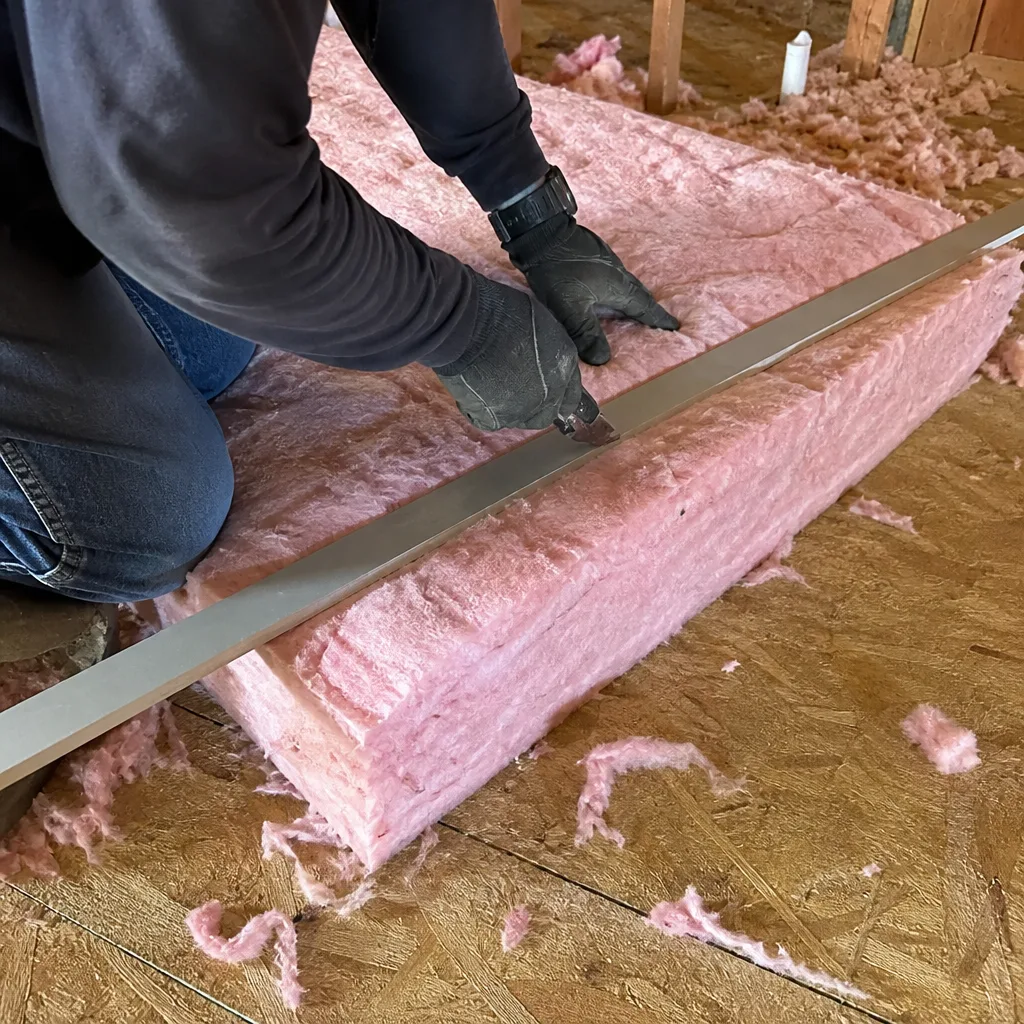
- Home size and attic square footage. More square footage means more linear feet of top plate to seal, more penetrations to foam, and more time in the attic. A 3,200 sq ft home in Vintage Oaks or Havenwood Hills has nearly twice the perimeter top plate of a 1,600 sq ft home in an older New Braunfels neighborhood, and that difference shows up directly in labor hours.
- Existing insulation depth and type. When contractors arrive to seal an attic that already has 10 or more inches of blown cellulose, the insulation has to be relocated or removed to expose the top plates and penetrations. This adds time and, if removal is needed, adds a line item to the quote. In New Braunfels, we see this scenario regularly in homes built between 1995 and 2010 where insulation was added without a prior air-sealing step.
- Number and type of penetrations. Every recessed can light, plumbing stack, electrical wire, and HVAC chase that passes through the attic floor is a potential air leak. Older New Braunfels homes with original IC-rated (insulation-contact) can lights are among the worst offenders – those fixtures frequently have gaps at the housing that allow direct air transfer into conditioned space. Homes with many recessed fixtures or older electrical runs take longer to seal completely.
- Attic accessibility. A pull-down stair in a central hallway versus a small hatch over a closet shelf isn’t just an inconvenience – it changes how many hours a crew spends getting materials and themselves in and out. Low-pitch roofs common in some 1980s and 1990s construction in the older parts of New Braunfels also restrict how much of the attic floor a technician can physically reach standing upright.
- Duct sealing needs. HVAC ducts that run through unconditioned attic space are a separate but related issue. If ducts are leaking, some of that conditioned air loss will remain even after the attic floor is sealed. A blower-door test – a pressurization measurement that shows, in one number, how much air the building envelope is losing – will reveal whether duct leakage is a significant part of the problem. Addressing ducts adds cost but is sometimes necessary to get the full performance benefit from air sealing the attic floor.
- Local summer scheduling constraints. New Braunfels summers are genuinely extreme for attic work. Crews working in attic spaces from June through September have to start early and complete attic-floor work before mid-morning temperatures make conditions unsafe. This can mean slightly higher labor pricing during peak summer months compared to fall and winter scheduling, when the same job can be completed in a longer working window.
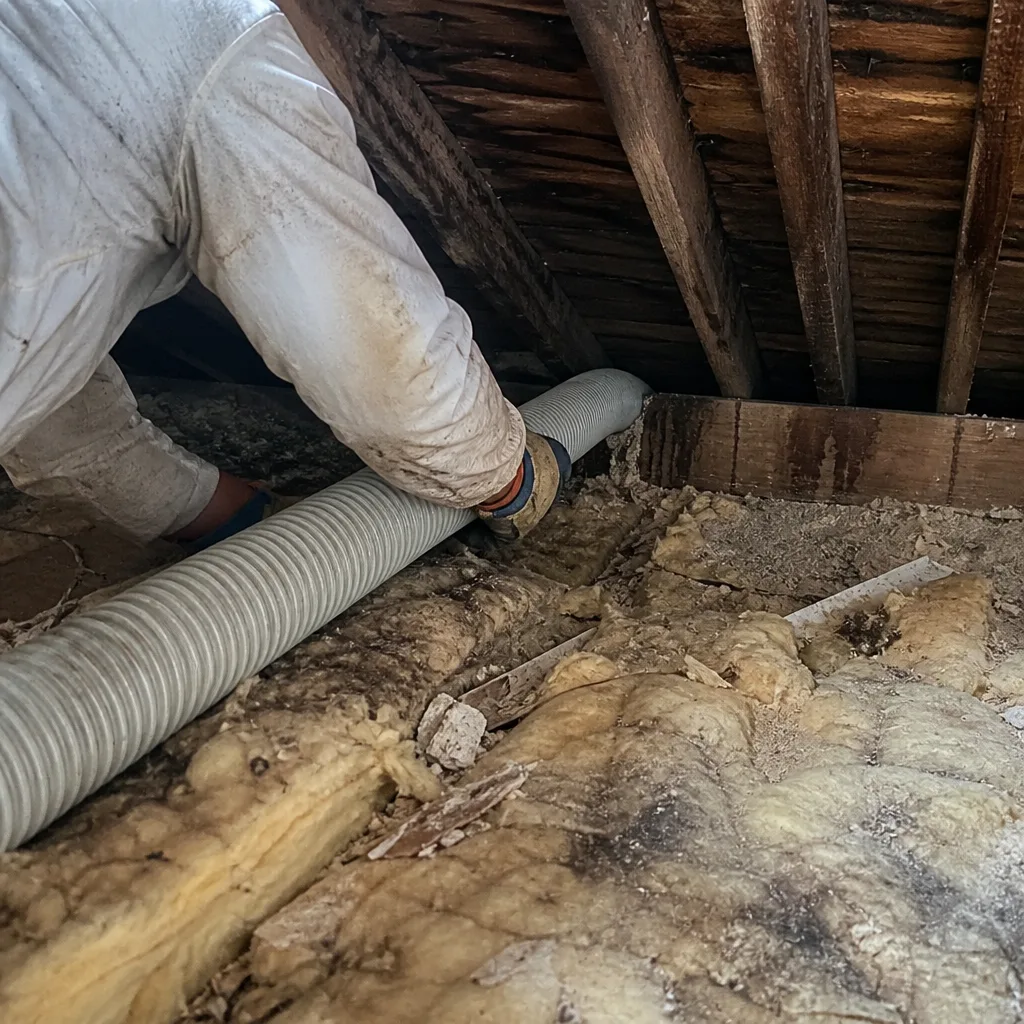 Before
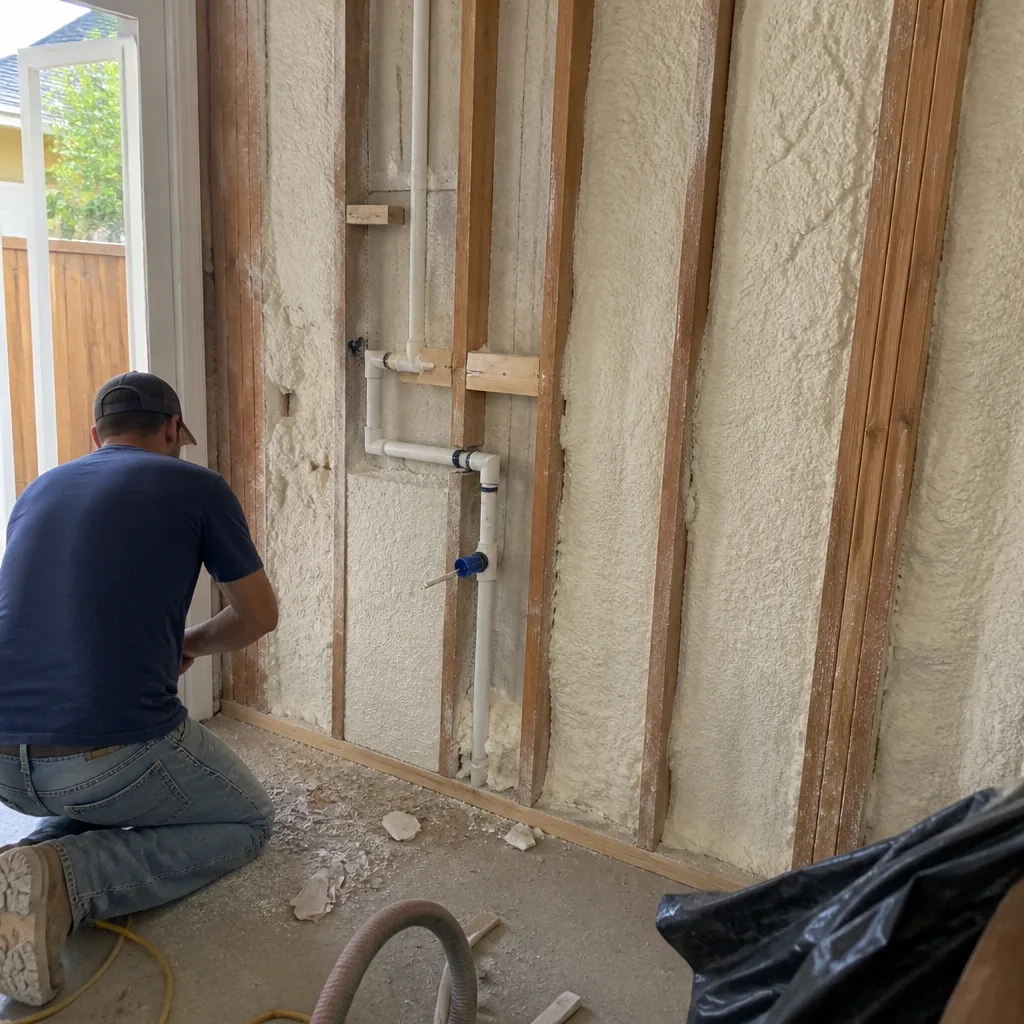 After
AfterHow to Save on Attic Air Sealing
The most direct way to reduce the cost of attic air sealing is to schedule it before you add new insulation – not after. This sounds obvious, but a substantial number of homeowners in New Braunfels call after they’ve already had blown insulation added to the attic floor. At that point, the insulation has to be moved or removed to access the penetrations, which adds a removal cost to the original air-sealing estimate. Doing the work in the right order – sealing first, insulating second – is not a sales pitch; it’s how the physics works.
Bundle the work when you can. If your home needs both attic air sealing and new insulation, a combined job is almost always priced more efficiently than two separate visits. The mobilization cost – crew travel, setup, blower-door equipment if applicable – is absorbed across both scopes. The same logic applies to attic hatch sealing and weatherstripping: adding that to an air-sealing visit typically costs $120 to $280, but getting a crew back out separately for that alone costs significantly more in trip time.
Take advantage of any applicable utility rebates. CPS Energy and some other Texas utilities periodically offer rebates for weatherization work including air sealing and insulation. The specific programs change, so it’s worth checking directly with your utility provider before you schedule work. A contractor who performs blower-door testing can document the before-and-after CFM50 readings, which is often required for rebate qualification – this is one practical reason to request that testing even when it’s listed as an add-on.
Get a written second opinion on any quote you’ve already received. Under the Haven Standard, Envelope Insulation Co. offers a free second opinion on any written estimate – bring the competing quote and a technician will go through it line by line with you. This is not a sales exercise; it’s a way to understand whether the scope described in a quote actually matches the work your attic needs. If you’d like a free estimate – a written price, before any work starts – call (830) 243-6352.
Schedule in the fall or winter if the timeline is flexible. New Braunfels attics between October and February are workable for full-day shifts, which can reduce the labor premium that comes with hot-weather scheduling constraints. The work itself is identical; the difference is how many productive hours a crew can put in before conditions in the attic become a safety concern.
Why the Order of Operations Matters Here
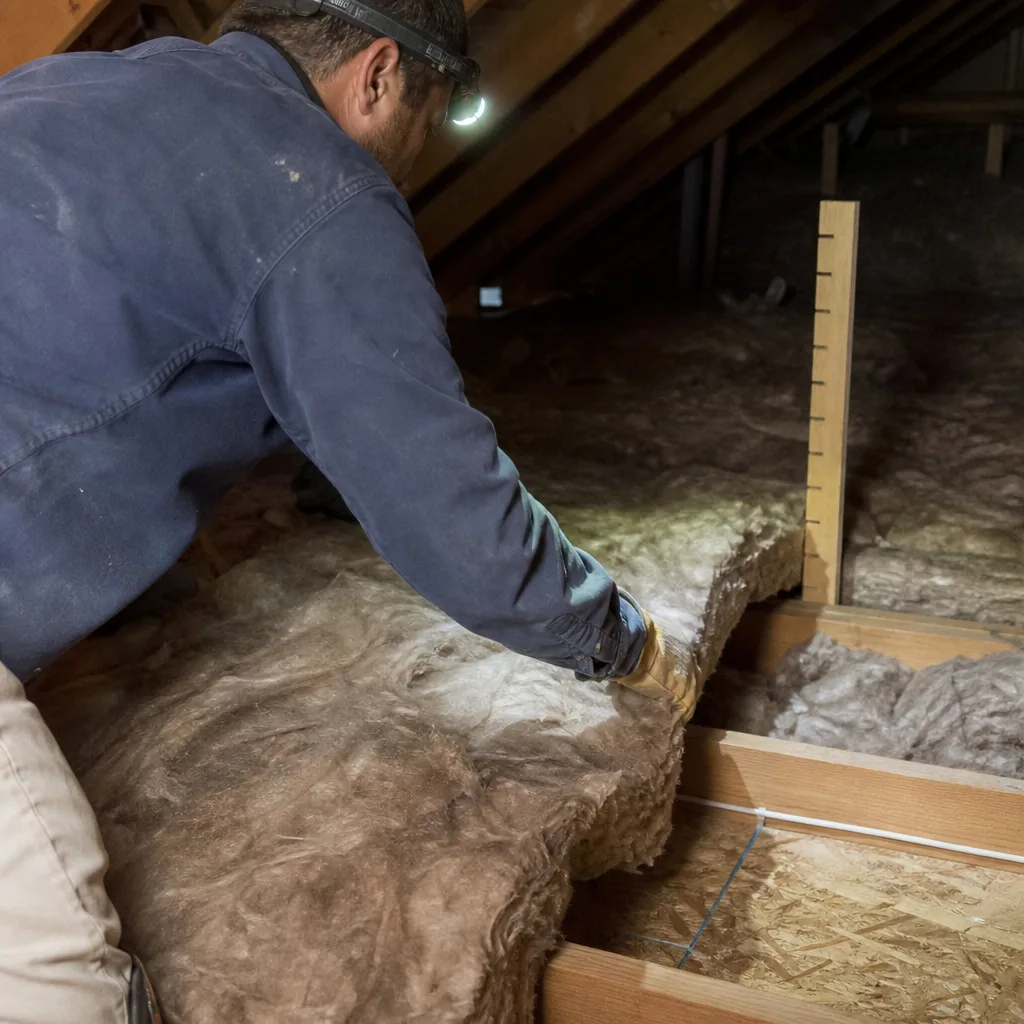
This section exists because it’s the most common and most expensive mistake we see in New Braunfels attics: insulation installed before air sealing, or – worse – insulation installed as a substitute for air sealing.
Insulation slows heat transfer. Air sealing stops airflow. Those are two different mechanisms. A home with 15 inches of blown fiberglass and no air sealing on the attic floor is still exchanging conditioned interior air with the attic space through every gap at a top plate, every can light housing, every plumbing penetration. The insulation reduces conduction but does nothing to stop convection through those gaps. In New Braunfels, where the attic and interior temperature difference runs 60 to 80 degrees for months at a time, that stack effect (the pressure difference between hot attic air and cooled interior air) is significant and measurable.
A blower-door test before and after air sealing makes this concrete. If a home reads 4,600 CFM50 before sealing and 2,400 CFM50 after, that’s a 48% reduction in air leakage – a number the homeowner can verify rather than estimate. Envelope publishes these numbers on every applicable job as part of its standard Documented Photo Record. That’s not marketing; it’s the only way to know whether the work actually performed.
For details on what the full scope of Attic Air Sealing in New Braunfels involves – from the pre-work blower-door baseline through material selection and post-seal verification – that service page covers the technical scope in full.
What the Documentation Looks Like When We Leave
Under Haven Standard Clause 1, a written price and written scope are delivered before any work begins. No one lifts a tool before the homeowner has reviewed and accepted a flat price – not an estimate that grows, a flat price.
When the job is complete, the Documented Photo Record is provided. This includes photos of the attic floor before work, photos showing foam and caulk applied at top plates and penetrations, photos of sealed can lights, and photos of the finished attic floor. On jobs where blower-door testing was performed, the before-and-after CFM50 readings are included in that documentation. The 365-Day Done Right Promise covers all completed work – if something wasn’t done right, it gets made right, in writing.
This documentation matters for a practical reason beyond accountability: if you sell the home or apply for a utility rebate, you have a paper trail that describes exactly what was done and what the measurable result was. That’s different from a receipt that says “attic air sealing completed.”
Wes Okafor leads the team at Envelope Insulation Co. and has been operating under these documentation standards since the company was founded in 2016. In nine years of work across the New Braunfels market and surrounding Comal County neighborhoods, the pattern is consistent: homes that were sealed before they were insulated perform measurably better than homes that had insulation added first. The blower-door numbers show it every time.
New Braunfels-Specific Notes on Air Sealing Performance
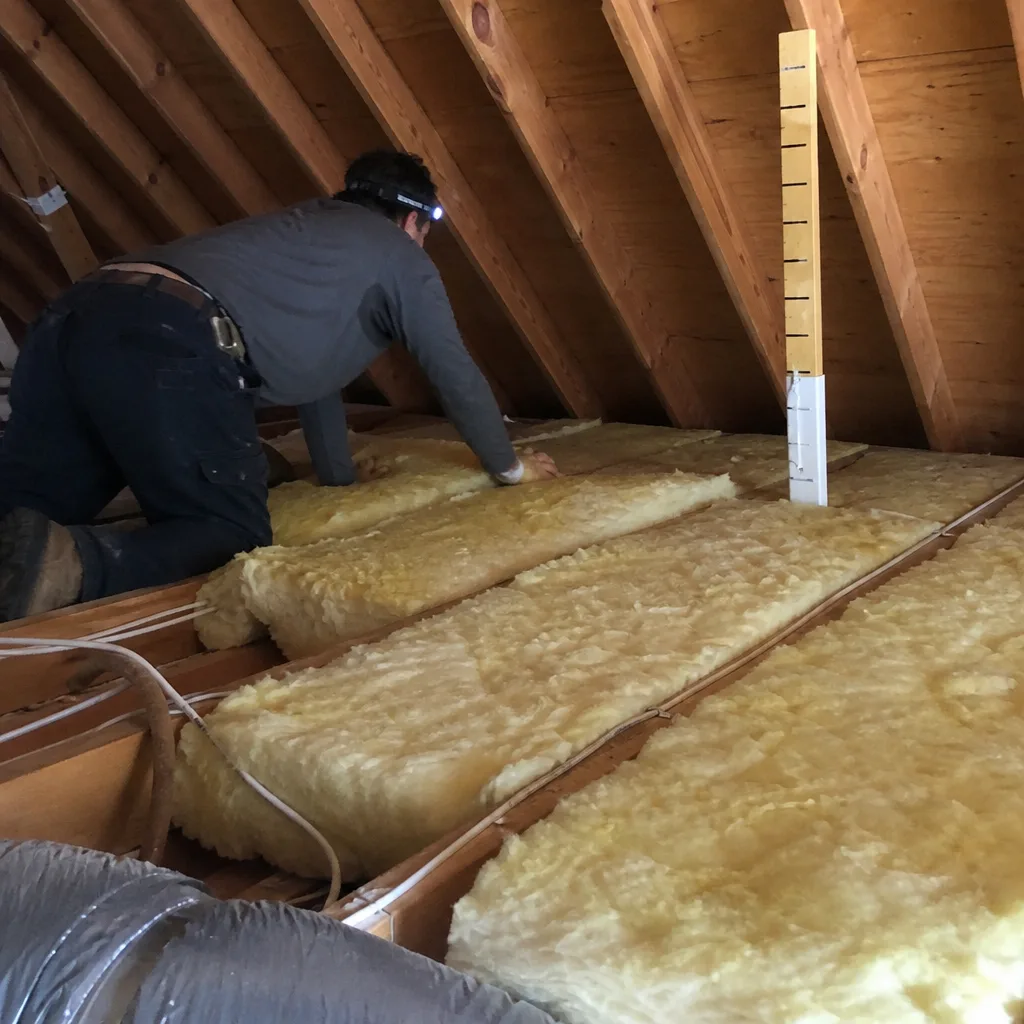
New Braunfels sits in a mixed-humid to hot-dry climate zone that puts real stress on building envelopes. Summers routinely push air conditioning systems to capacity from May through September, and the city’s rapid growth over the past decade has brought a wide range of construction vintages into neighborhoods that sit next to each other – a 1978 ranch-style home in the Gruene area might be adjacent to a 2019 construction in a newer subdivision, and those two homes have dramatically different air-sealing profiles.
In Morningside, Fischer Road-area properties, and some of the older neighborhoods closer to downtown New Braunfels, we regularly find homes where the original top plates were never caulked, where can lights were installed without sealed housings, and where plumbing vents penetrate the attic floor with no foam around them. These are not unusual conditions – they’re the norm for homes built before 2005 in this market, and they’re worth addressing before adding any new insulation layer.
In the newer master-planned communities – Veramendi, Vintage Oaks, and Canyon Lake Road developments that were permitted after 2015 – the starting air leakage rates are generally lower because Texas energy code requirements have tightened. But “lower” doesn’t mean sealed. We still find can lights, HVAC chases, and plumbing stacks that need attention, and in homes with spray foam at the roof deck instead of the attic floor, the definition of where “attic air sealing” applies is different enough that the quote reflects that different scope.
The San Marcos River corridor and areas with significant oak-tree canopy also tend to have pest intrusion issues – mice and squirrels finding entry through attic penetrations – that compound the air-sealing problem. Foam sealing those penetrations properly closes the air gap and the pest entry at the same time. This isn’t always flagged in a standard insulation quote; it’s something that shows up during the pre-job walkthrough that Envelope conducts before providing a written price.
Repair vs. New Installation: Which Applies?
Attic air sealing is not typically a repair in the traditional sense – it’s work that should have been done during original construction but usually wasn’t, particularly in homes built before 2010. The question isn’t “does my air sealing need to be repaired” so much as “does my attic have any air sealing at all.”
A quick check you can do yourself: go into your attic on a cold night in winter when the heat is running and hold your hand flat over the attic floor at a top plate – the framing member that sits on top of your exterior walls. If you feel warm air moving upward through gaps in the drywall-to-framing joint, there’s no air sealing at that location. Recessed can lights are easy to check from below: on a bright sunny day, turn off the lights in a room with recessed fixtures and look carefully at the trim ring – daylight visible around the housing means there’s an unsealed gap. Neither of these checks is a substitute for a blower-door test, but they give you a reasonable sense of whether the issue exists before you call anyone.
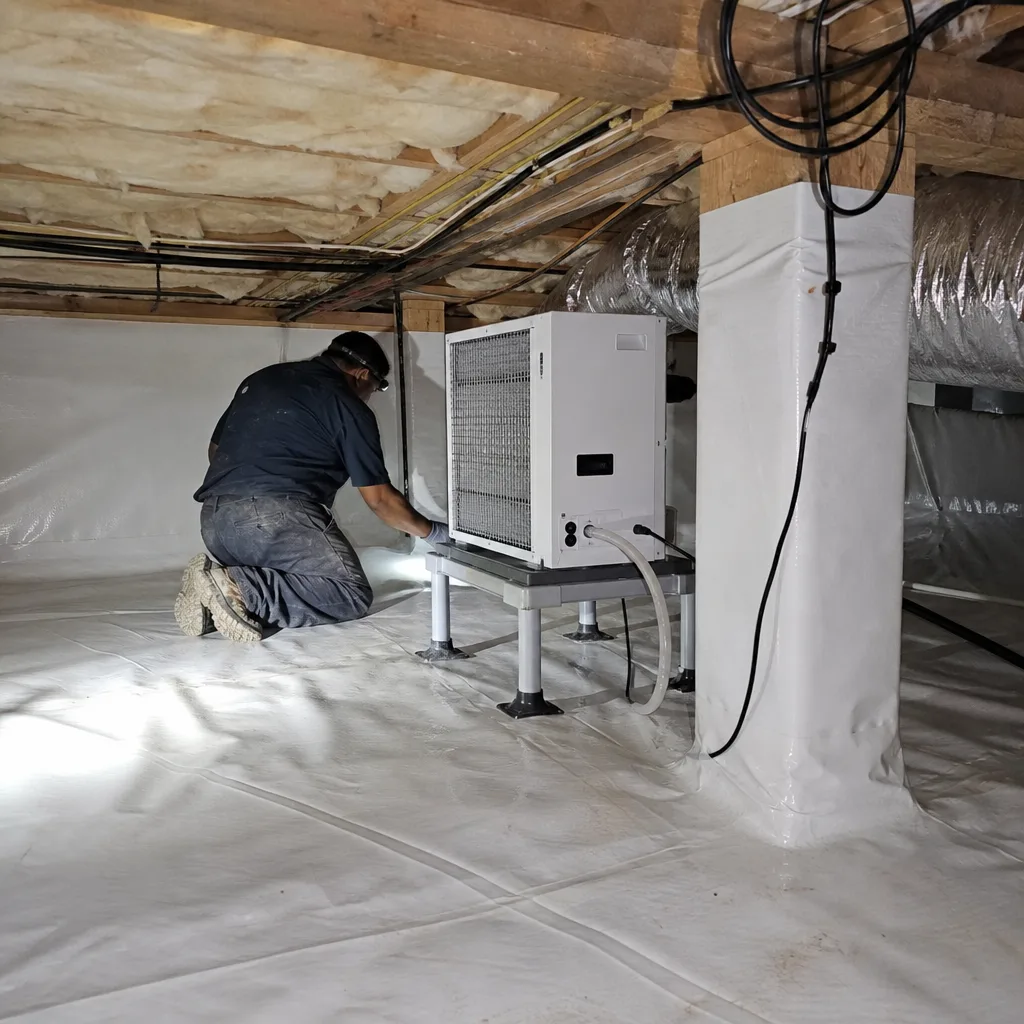
The home for Envelope Insulation Co. covers the full building-envelope service line, including crawl space encapsulation, insulation removal, radiant barrier installation, and home energy audits – work that often comes up in conversation during an attic air-sealing assessment when other parts of the building envelope are also losing conditioned air.
FAQs – Attic Air Sealing Cost in New Braunfels
How much does attic air sealing cost in New Braunfels, TX?
Most attic air-sealing jobs in New Braunfels run between $950 and $2,800, with the majority of single-family homes in the 1,500 to 2,500 sq ft range landing between $1,300 and $1,900. The final number depends on attic size, how many penetrations need to be sealed, whether existing insulation has to be moved to access the attic floor, and whether blower-door testing is included. Get a written price before any work starts – call (830) 243-6352 for a free estimate.
Is attic air sealing worth the cost in a Texas climate?
In New Braunfels specifically, where attic temperatures exceed 145°F from June through August and air conditioning runs for five to six months a year, attic air sealing consistently produces measurable reductions in conditioned-air loss. A blower-door test before and after the work gives you a CFM50 number – a pressurization reading that shows how much air the building envelope was losing – so you can quantify the improvement rather than estimate it. Homes that show a 30% or greater reduction in air leakage after sealing typically see that reflected in cooling costs within the first full summer.
Can attic air sealing be done the same day as insulation installation?
No – and any contractor offering to do both at the same time is skipping the air-sealing step in practice, even if it’s on the invoice. Air sealing requires access to the bare attic floor: the top plates, the penetrations, the can light housings. Once insulation is blown in, those surfaces are buried. At Envelope Insulation Co., air sealing is completed first and verified before any insulation is added. This is not a preference; it’s the only order that produces a sealed attic.
Does attic air sealing require a permit in New Braunfels?
Attic air sealing itself – applying foam and caulk to penetrations and top plates – does not typically require a permit in New Braunfels or Comal County. If the scope includes HVAC duct work, modifications to electrical fixtures, or any structural changes to attic access, those components may trigger a permit requirement. The pre-job written scope from Envelope will identify any permit obligations before work starts; this is standard practice under Haven Standard Clause 1.
How do I know if my New Braunfels home needs attic air sealing?
The definitive answer comes from a blower-door test, which measures total building air leakage in a single CFM50 reading. Without that test, strong indicators include: rooms that are noticeably harder to cool than others, energy bills that seem high relative to neighbors with similar home sizes, visible daylight around recessed light trim rings when other lights are off, or a home built before 2005 that has never had an energy audit. Homes in older New Braunfels neighborhoods near Gruene or along the Guadalupe River corridor routinely show CFM50 readings that indicate significant air-sealing deficiencies. A free estimate visit from Envelope includes an attic walkthrough that will identify the most significant leakage points – call (830) 243-6352 to schedule.
What is the payback period for attic air sealing in New Braunfels?
For a mid-size New Braunfels home spending $1,400 to $1,800 on air sealing and achieving a 35 to 45% reduction in measured air leakage, the payback period on cooling-season energy savings typically runs between three and six years at current electricity rates in the CPS Energy and GVEC service areas. Homes that also qualify for utility rebates on weatherization work can shorten that period. The blower-door before-and-after documentation included with Envelope’s jobs gives you the data you need to estimate your specific case rather than use a regional average.
Attic air sealing in New Braunfels is one of the few home performance upgrades where a single number – a CFM50 blower-door reading taken before and after the work – tells you exactly what you paid for and exactly what you got. If your home was built before 2010 and hasn’t had a documented air-sealing inspection, the odds are good that conditioned air is moving through the attic floor every hour your system runs.
Wes Okafor and the crew at Envelope Insulation Co. have been sealing attics in New Braunfels and across Comal County since 2016 – always with a written price before work starts and a Documented Photo Record when the crew leaves. For a free written estimate on attic air sealing for your home, call (830) 243-6352. A live person answers; no voicemail, no callback window.
Written by Wes Okafor, Owner at Envelope Insulation Co., serving New Braunfels since 2016.
Pricing reflects the New Braunfels market as of 2026. Topside Attic Insulation New Braunfels offers free estimates – call (830) 243-6352.
What Our Customers Say
"They photographed rodent damage in the old insulation that we had no idea about, and priced the exclusion work separately so we could decide."
- Harriet N."The winter gas bill dropped by about a third. They had estimated a quarter, so they under-promised."
- Genevieve R."Two other companies quoted to blow more insulation on top of what was there. These were the only ones who said the existing material had to come out first, and explained why."
- Clifford E.