
Knauf Vapor Barrier Installation: The New Braunfels Owner’s Guide
Knauf vapor barrier installation in New Braunfels typically runs $1,800-$3,400 for a complete crawl space or attic application, depending on square footage and whether the existing barrier needs full removal. We stock Knauf Insulation’s vapor retarder products and compatible seam tapes on our trucks, and most residential jobs in the New Braunfels area can be started within 24-48 hours of your call. Homeowners usually discover a failed vapor barrier when they notice musty odors rising from the crawl space, cupping hardwood floors, or insulation that looks damp and compressed - all signs that moisture is migrating through a torn, improperly lapped, or missing vapor retarder layer.
Which Knauf Models This Applies To
Knauf manufactures vapor retarders under several product lines, and matching the right material to your existing insulation assembly matters more than most homeowners realize. The Knauf Insulation EcoSeal vapor retarder film, commonly paired with their Jet Stream blown-in fiberglass systems, is a 6-mil polyethylene sheet with a perm rating of 0.1 - meaning it blocks essentially all moisture vapor migration. Their Knauf Insulation Moisture Plus kraft-faced batts carry a built-in asphalt-impregnated paper retarder with a higher perm rating around 1.0, designed for wall cavities where some drying to the interior is desirable.
To identify what you have, check the facing label on any exposed batt edges in your attic or the printed markings on polyethylene sheeting in your crawl space. The product code will start with “K” followed by a series number. If you’re adding a standalone vapor barrier to complement existing unfaced Knauf batts, we spec 6-mil minimum virgin polyethylene - recycled-content sheeting degrades faster in the alkaline soils common east of I-35 in New Braunfels. OEM Knauf seam tape uses a butyl-acrylic adhesive that maintains flexibility down to 40°F; generic hardware-store tape often stiffens and delaminates within two seasons here. We carry both on the truck and will show you the difference before we start.
Topside Attic Insulation New Braunfels is an independent service provider with no affiliation to Knauf Insulation. We source Knauf materials through authorized regional distributors alongside Owens Corning, Johns Manville, and other manufacturers.
Signs Your Knauf Vapor Barrier Installation Is Failing
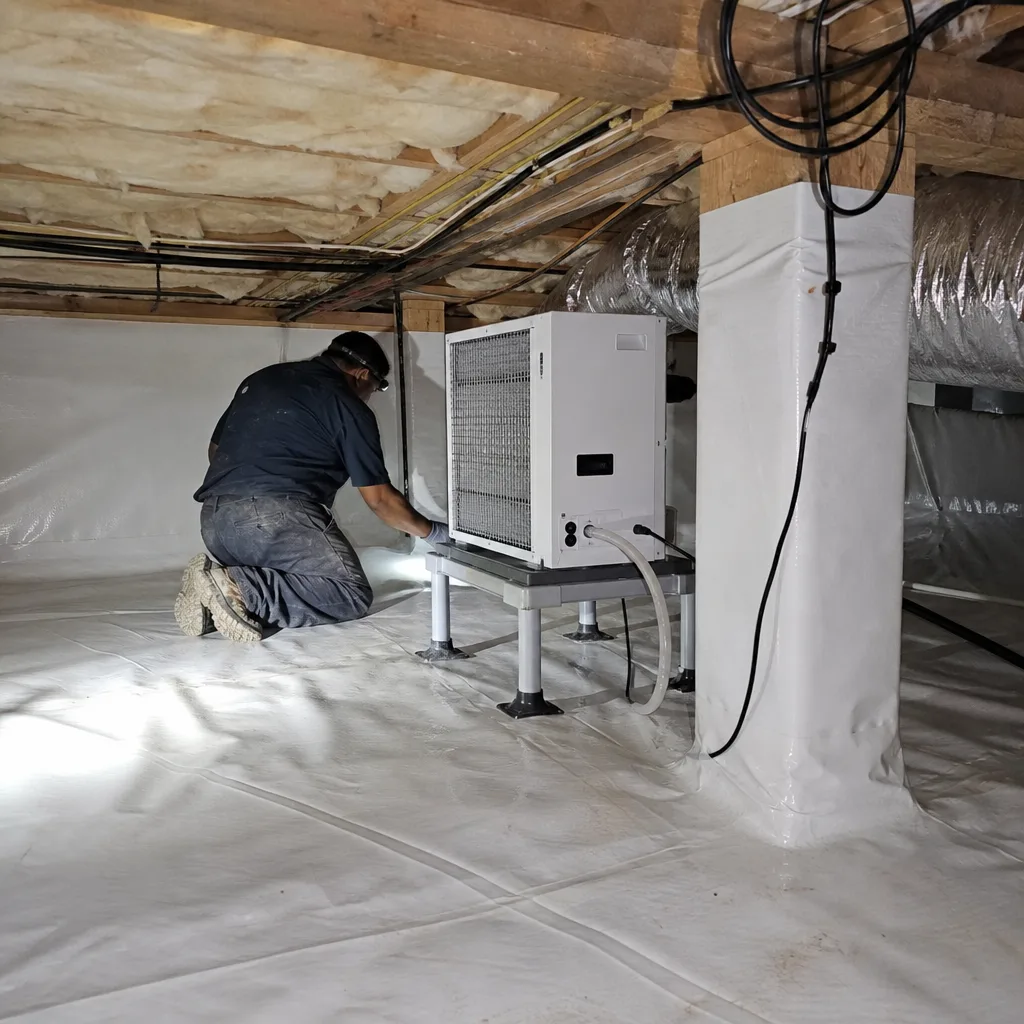
- Condensation on the barrier’s underside. When warm, humid Gulf air meets the cooler surface of a properly installed vapor retarder, minimal droplets form and evaporate. Persistent beading or pooling indicates the perm rating is too high for our climate zone, or the barrier was installed on the wrong side of the assembly - a common error in New Braunfels homes built during the 2015-2019 construction rush.
- Black or green staining on fiberglass batts. This is surface mold feeding on collected dust and moisture, not the insulation itself. The vapor barrier has either torn at a penetration or the seams were never properly sealed with compatible tape, allowing crawl space moisture to reach the fiberglass.
- Musty odors that worsen after rain. In the clay-heavy soils around McQueeney and along the Guadalupe River corridor, groundwater pressure pushes vapor upward through slab edges. A compromised perimeter seal on your vapor barrier lets this moisture into the conditioned envelope; you’ll smell it before you see it.
- Insulation that settles or loses loft. Wet fiberglass loses its R-value and compresses under its own weight. In attics with Knauf Jet Stream systems, this shows as thin, gray-pink patches where the original blown depth has collapsed to less than half.
- Peeling tape at seams and penetrations. Knauf’s specified tapes require a clean, dry substrate and proper roller pressure during installation. Shortcut jobs often skip surface prep; the tape lifts within 18 months, and the barrier becomes a collection of loose sheets rather than a continuous plane.
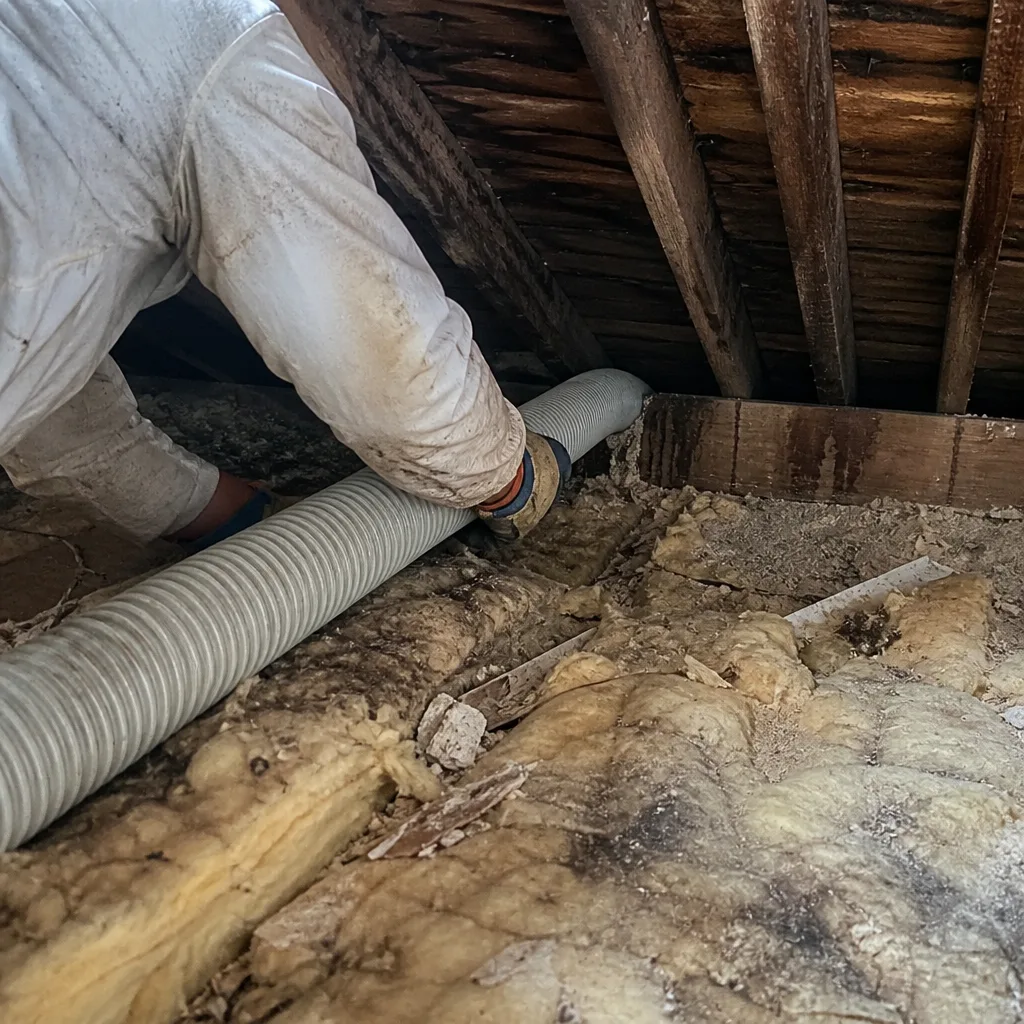 Before
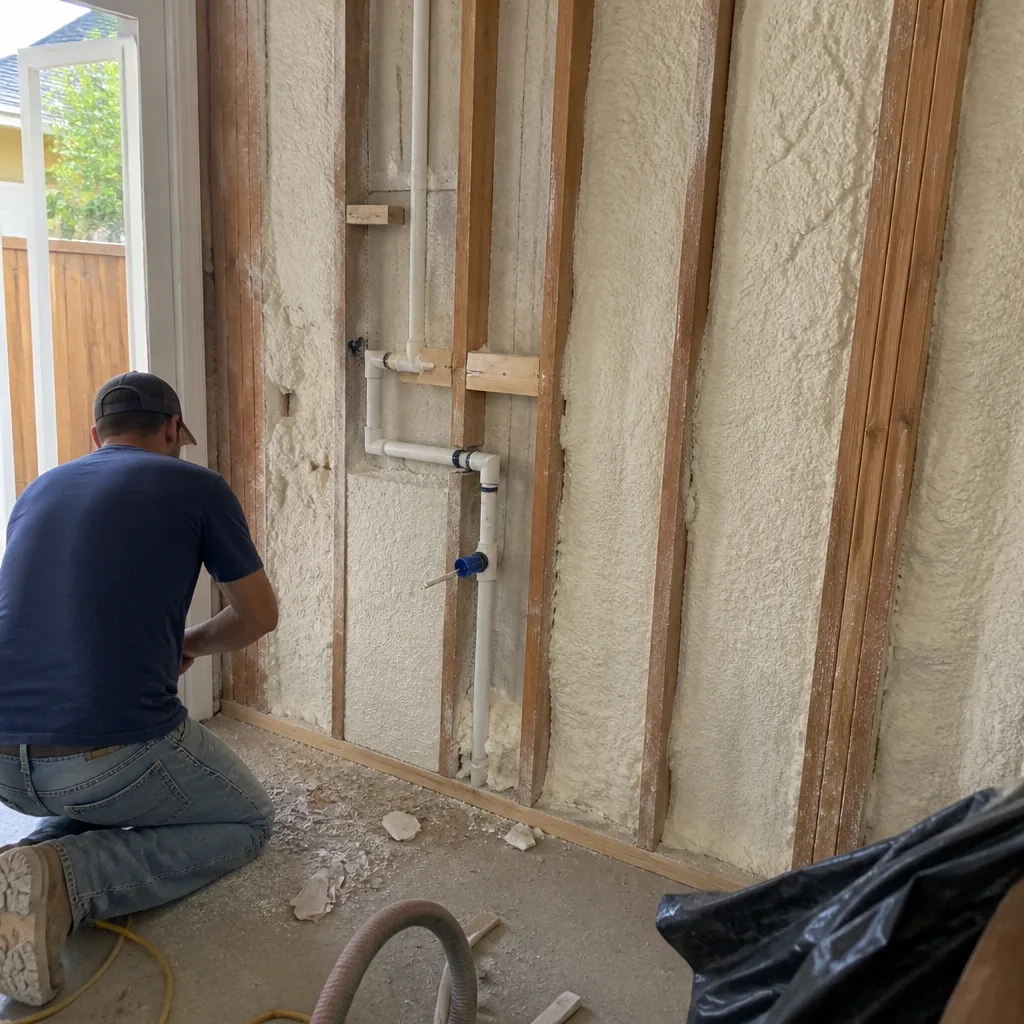 After
AfterReplacement Cost & What’s Included
Most complete vapor barrier replacements in New Braunfels homes run between $1,800 and $3,400 installed. The lower end covers a clean crawl space under 1,200 square feet with straightforward access and intact existing insulation. The upper end applies to full removal of degraded material, treatment of mold-affected joist bays, and installation of 10-mil reinforced polyethylene in tight or debris-filled crawl spaces common in older neighborhoods near downtown.
| Component | Price Range |
|---|---|
| 6-mil virgin polyethylene, per sq ft installed | $0.85-$1.20 |
| 10-mil reinforced polyethylene, per sq ft installed | $1.40-$1.85 |
| Existing barrier removal and disposal | $350-$600 |
| Seam tape and detailing at penetrations | $200-$400 |
| Perimeter seal to foundation walls | $300-$550 |
What drives the range: access difficulty (crawl space height, obstructions), whether the existing barrier is stapled to joists or laid on the ground, and whether we need to coordinate with a mold remediation contractor before we can seal the new membrane. Every job gets a written price before any work starts - Haven Standard Clause 1 - and includes a Documented Photo Record of the completed installation. The 365-Day Done Right Promise covers material defects and installation workmanship.
DIY or Call Us?
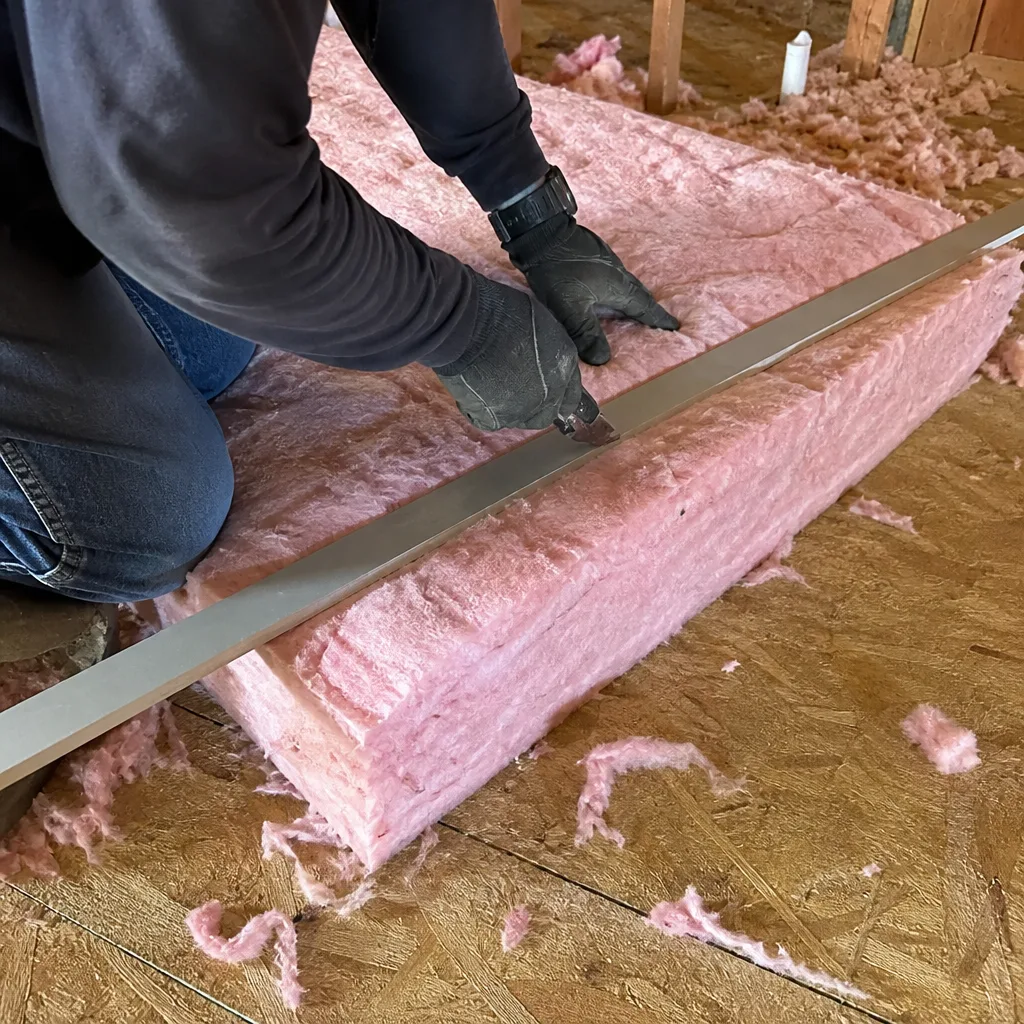
There’s a clear line between what you can check safely and where professional installation becomes necessary. You can verify whether your existing barrier is intact by visual inspection from the crawl space access point - look for tears, disconnected seams, and whether the polyethylene extends fully to the foundation walls. You can also confirm the product label on any exposed facing to determine if the original material was spec’d correctly for our climate zone.
Where DIY goes wrong: vapor barriers fail at the details. Seams must overlap six inches minimum and be sealed with pressure-sensitive tape rated for the specific polyethylene grade. Penetrations for plumbing, electrical, and HVAC lines need booted seals or acoustical sealant - not duct tape, which degrades in months. In New Braunfels, the ground-to-wall interface is critical; our expansive clay soils shift seasonally, and a perimeter seal that isn’t mechanically fastened and caulked will separate within the first summer. We also see homeowners install barriers on the wrong side of the insulation assembly, trapping moisture against structural members. The work isn’t high-voltage dangerous, but a failed installation can cost thousands in structural repair. If you’re unsure about the assembly sequence, call (830) 243-6352 - estimates are free, and we’ll walk you through what we find.
FAQs
A properly installed 6-mil virgin polyethylene barrier typically lasts 15-20 years in our climate, though the 10-mil reinforced product we often spec for crawl spaces with rodent pressure or rough substrate pushes that toward 25 years. The bigger variable is installation quality - perimeter seals and seam detailing usually fail before the sheet itself. Call (830) 243-6352 and we’ll assess what’s actually driving any deterioration you’re seeing.
Localized tears smaller than a dinner plate can be patched with compatible polyethylene tape and an overlaid patch section, provided the surrounding material is still supple and the tear isn’t at a stress concentration point. If the barrier is brittle, extensively taped already, or the failures are distributed across the field, replacement is more cost-effective than chasing individual patches. We stock patch materials on our trucks for same-day minor repairs when that makes sense.
Most residential crawl spaces in the New Braunfels area take one to two working days from removal to final seal verification. Day one is removal, substrate prep, and any needed mold treatment coordination; day two is layout, installation, seam taping, and perimeter detailing. Tight crawl spaces under 24 inches clear height, or those with extensive HVAC ductwork to work around, can extend to a third day. We give you a schedule with the written price - no surprises.
We carry 6-mil and 10-mil polyethylene sheeting, Knauf-compatible seam tapes, and acoustic sealant on every truck. For Knauf-specific faced batts or the EcoSeal system, we pull from regional distribution with next-day availability. Most standard vapor barrier jobs in New Braunfels start within 24-48 hours of your signed scope and deposit.
Wes Okafor grew up on the South Side of Chicago, trained at Dawson Technical Institute, and has spent nearly two decades sealing attics and air-bypasses across Central Texas. He and his crew have worked neighborhoods all over the New Braunfels area, including jobs off the River Road corridor near the Guadalupe, where stack-effect air leakage in older slab homes tends to run higher than homeowners expect. The number on the blower-door printout tells you what the insulation did. Everything else is just talk.
Written by Wes Okafor, Owner, Topside Attic Insulation New Braunfels at Topside Attic Insulation New Braunfels, serving New Braunfels and nearby areas.