

Fast, Reliable Spray Foam Insulation Across San Antonio
Spray foam insulation in San Antonio typically runs $1.80-$3.20 per board foot for open-cell and $3.50-$6.50 per board foot for closed-cell, with most whole-attic conditioned roof deck projects falling between $4,500 and $9,500 depending on square footage and access. We’re usually on-site within 24-48 hours of your call, and every job starts with a written price before any work begins. Call (830) 243-6352 for a free estimate with flat pricing.
Our San Antonio office coordinates dispatch and scheduling locally, so crews serving neighborhoods from Alamo Heights to Stone Oak don’t waste half a day in transit. We’ve worked inside Loop 410, along the Loop 1604 corridor, and out toward the Babcock and Bandera corridors long enough to know which 1980s tract home plans have the skinny attic scuttles and which pier-and-beam pockets in Monte Vista still have original rim joists leaking air like a screen door.
San Antonio’s combination of 140-150°F attic heat, Gulf-edge humidity swings, and a massive stock of under-insulated 1970s-1990s homes creates problems generic insulation crews miss. We don’t miss them. Every job gets a blower-door test first, air sealing second, insulation third - in that order - with before-and-after numbers published so you can verify the result yourself.
Why Topside Attic Insulation New Braunfels Is San Antonio’s Preferred Spray Foam Insulation Company
We’ve sealed and insulated more than 9,000 homes since 2016, every one with a written price before work started and a documented photo record when the crew left. San Antonio homeowners find us the same way most do now - they read the three-star reviews as carefully as the five-star ones, then call to ask about our blower-door documentation. We don’t mind. The numbers speak louder than any sales pitch.
Response time to San Antonio neighborhoods averages same-day or next-day for estimates, with most spray foam installations scheduled within a week. Our technicians are background-checked, uniformed, and named on your written scope - you’ll get a text when they’re on the way, under Haven Standard: Arrive on schedule.
What builds trust here specifically is local pattern recognition. We know the 1978-1992 slab-on-grade tracts near Ingram Park Mall were built to R-11 attic code with HVAC ducts in unconditioned space. We know CPS Energy’s rebate paperwork inside and out. And we know that a conditioned attic with closed-cell on the roof deck cuts cooling bills 20-30% in this climate because we’ve measured it, house after house, with blower-door and utility bill verification.
Our Spray Foam Insulation Services in San Antonio
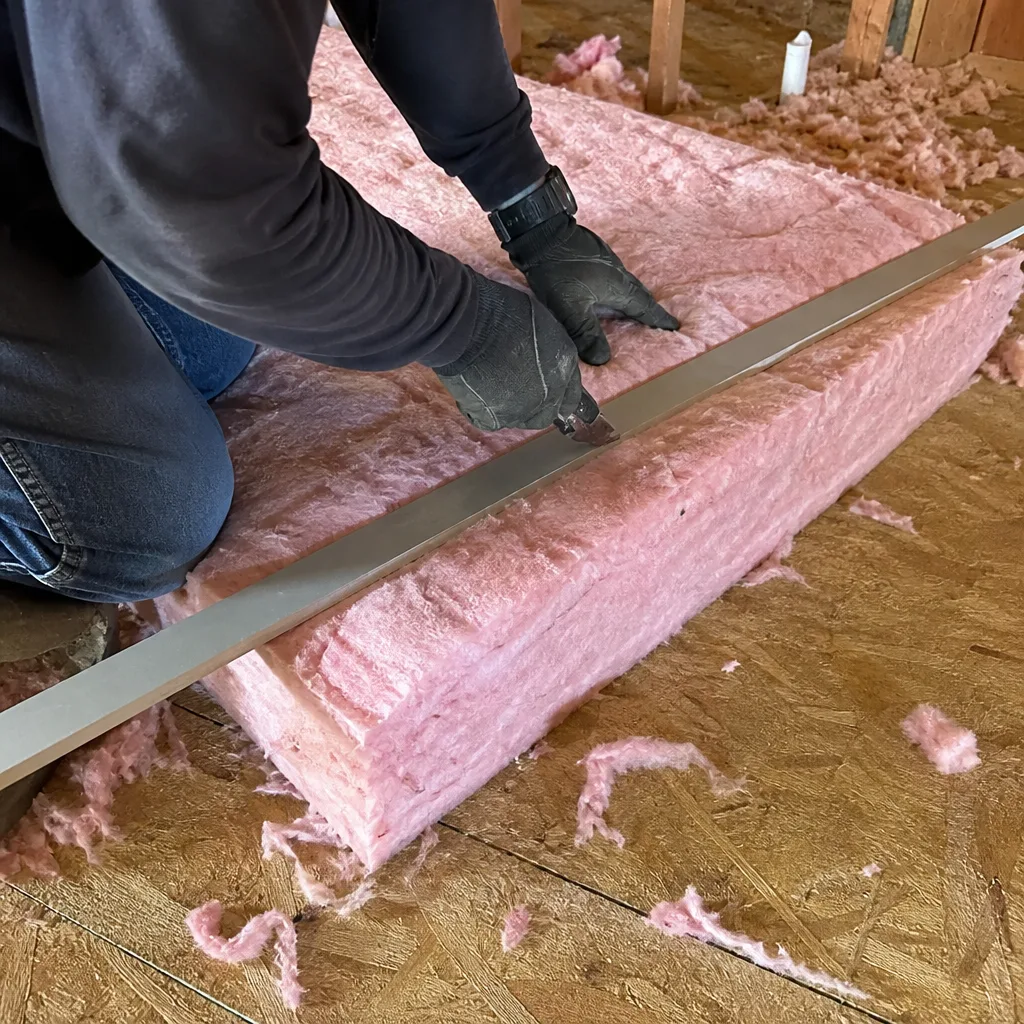
Spray Foam Roof Deck
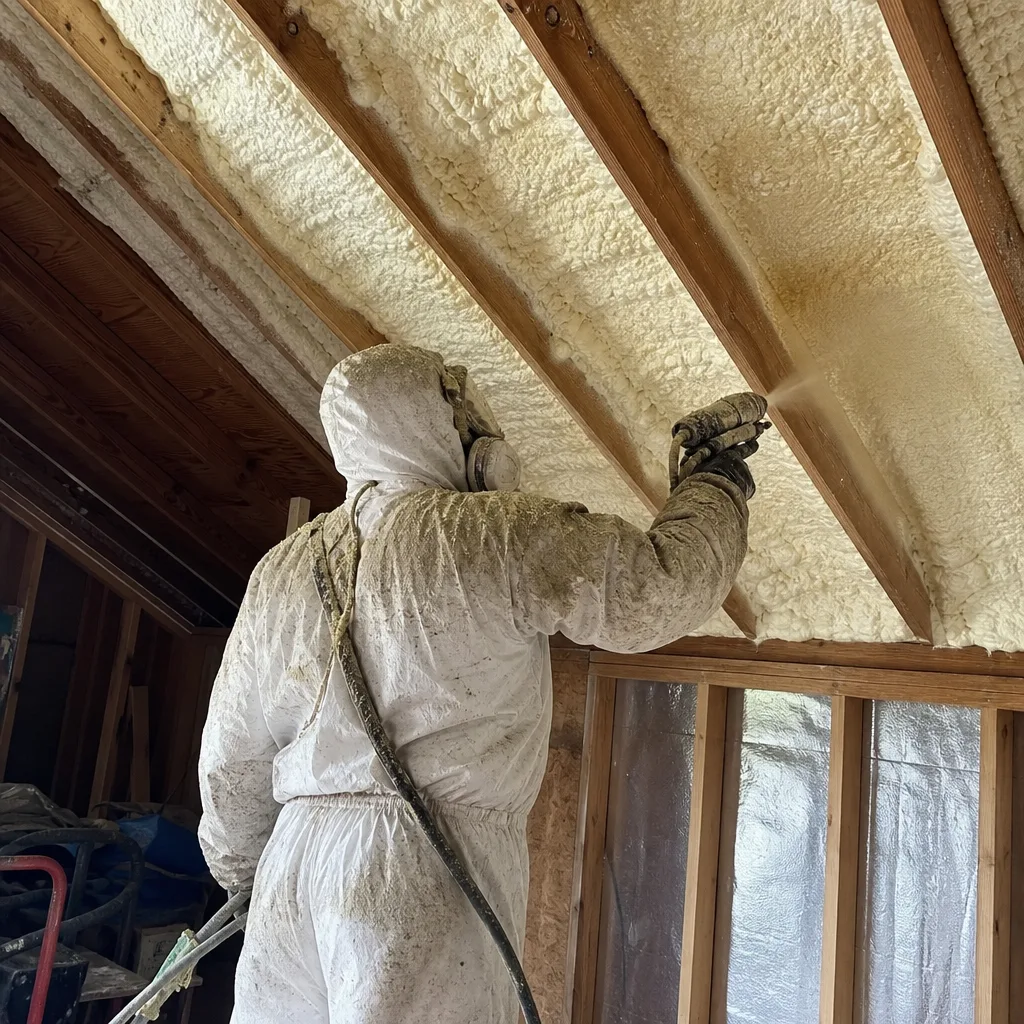
This is the San Antonio solution. Because so many local homes have ducted HVAC systems sitting in attics that bake at 150°F, spray foam applied directly to the underside of the roof deck - creating a conditioned attic - has become a de facto market standard here, far more common than in cooler Texas metros. We typically use a 2-3 inch closed-cell flash coat on the roof deck to block vapor and radiant heat, with open-cell below only where the assembly can dry to the interior. The ducts stay inside the thermal envelope. The attic becomes a semi-conditioned space. Your cooling equipment stops fighting 150°F intake air. On a 1978 slab-on-grade tract home off Loop 1604 near the Babcock corridor, our tech found R-11 attic insulation with ducts baking in a 148°F unconditioned attic and a rim joist open to outside air. We sprayed closed-cell foam to the underside of the roof deck, sealed the rim joist and top plates with open-cell, and brought the ducts inside the thermal envelope - the homeowner’s CPS Energy rebate paperwork went out the same week.
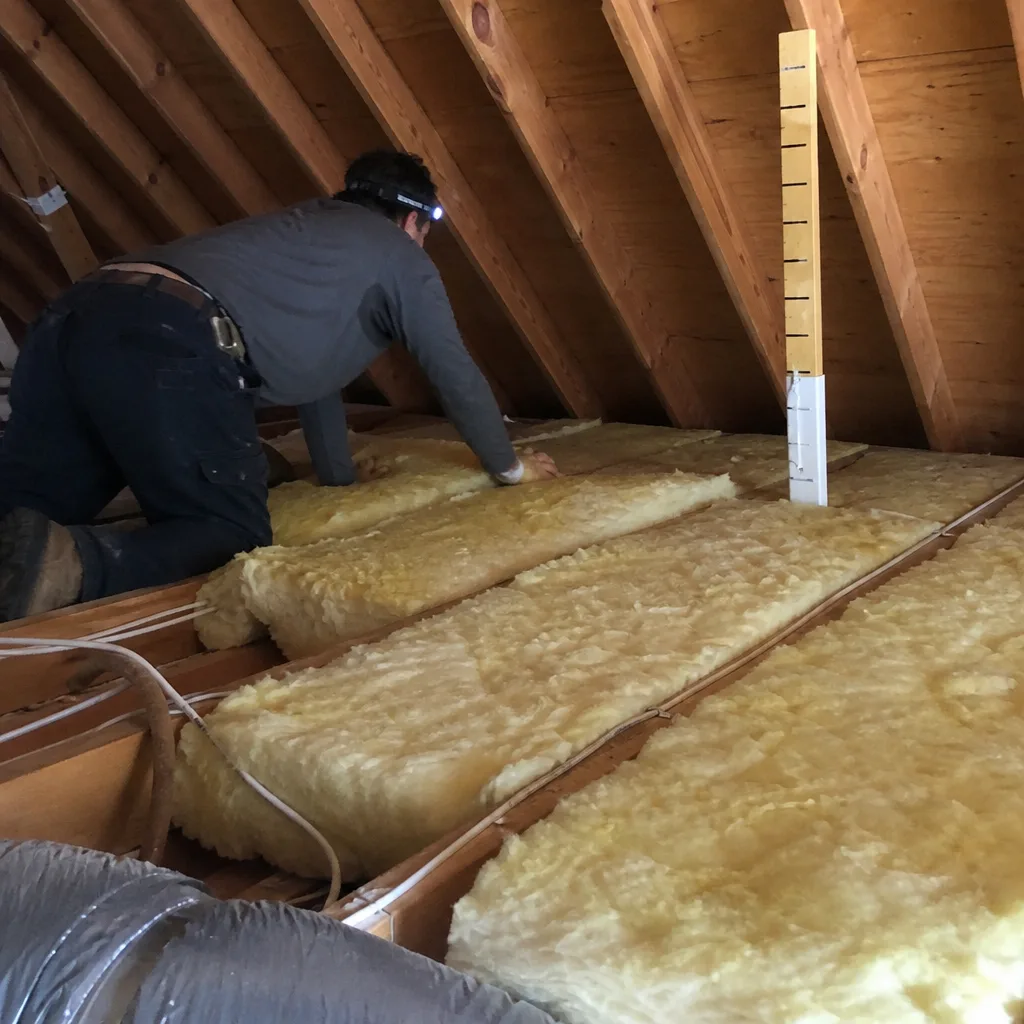
Closed-Cell Spray Foam
Closed-cell polyurethane runs 2.0-3.5 lbs per cubic foot, acts as its own vapor retarder at 1.5+ inches, and adds structural rigidity - critical in San Antonio’s Climate Zone 2A where vapor management has to work in both directions. We use it for roof deck flash coats, rim joist sealing in pier-and-beam homes, and any application where bulk water or high humidity exposure is likely. In San Antonio’s hot-dry-to-humid swing, closed-cell sprayed too thin on a roof deck still lets 150°F attic heat radiate through; we specify minimum thicknesses and verify with thermal imaging. Materials come from Owens Corning, Johns Manville, and Demilec - no proprietary lock-in, so we match the product to the assembly instead of forcing a one-size-fits-all approach.
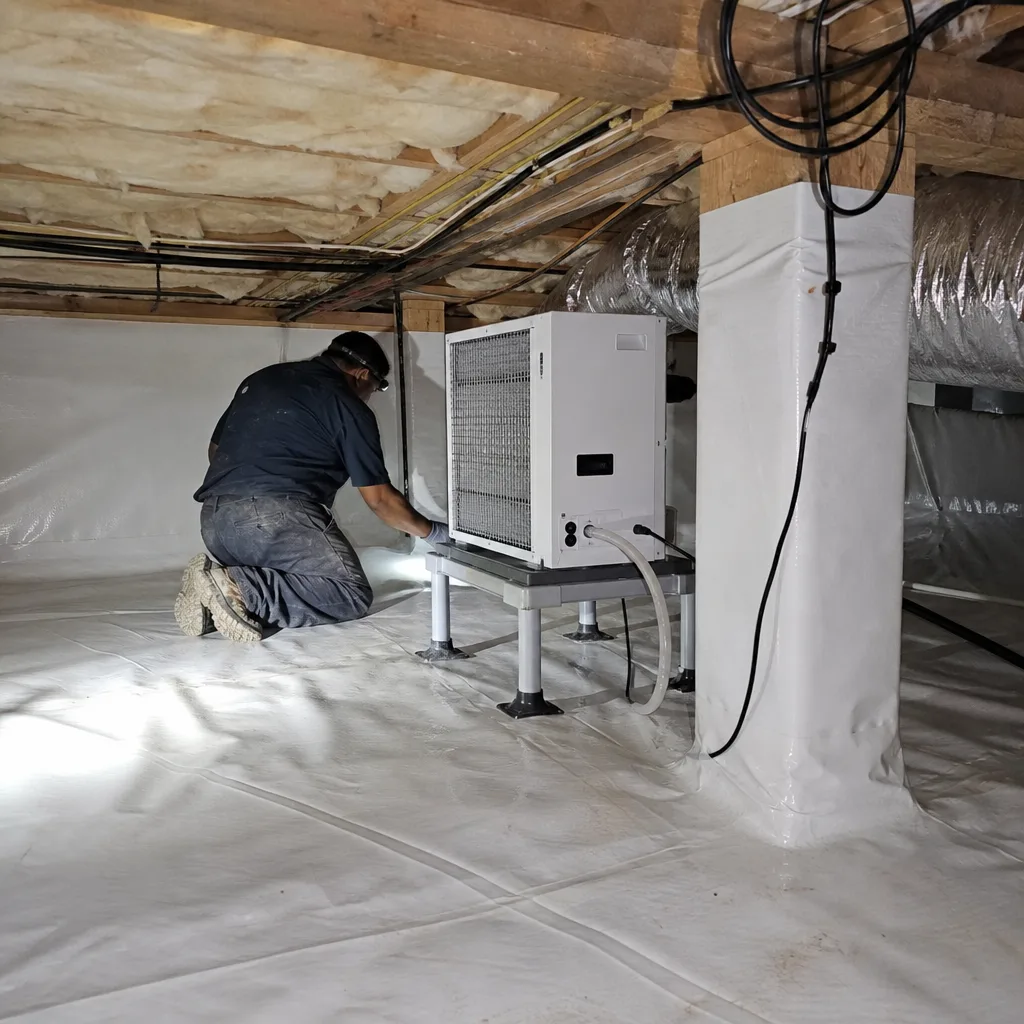
Open-Cell Spray Foam
Open-cell runs 0.5-0.7 lbs per cubic foot, vapor-permeable, and cost-effective for large cavity fills where moisture can dry to the interior. In San Antonio, we use it below a closed-cell roof deck flash coat, in above-grade walls with proper exterior drainage, and for top plate sealing after the air-leak hunt is complete. Gulf-edge humidity swings trap moisture against an open-cell ceiling without a vapor-retarding flash coat above - we’ve seen sheathing stains and condensation issues in homes where contractors skipped this step. We don’t skip it. Air sealing of top plates, can lights, and penetrations is completed before any open-cell goes in.
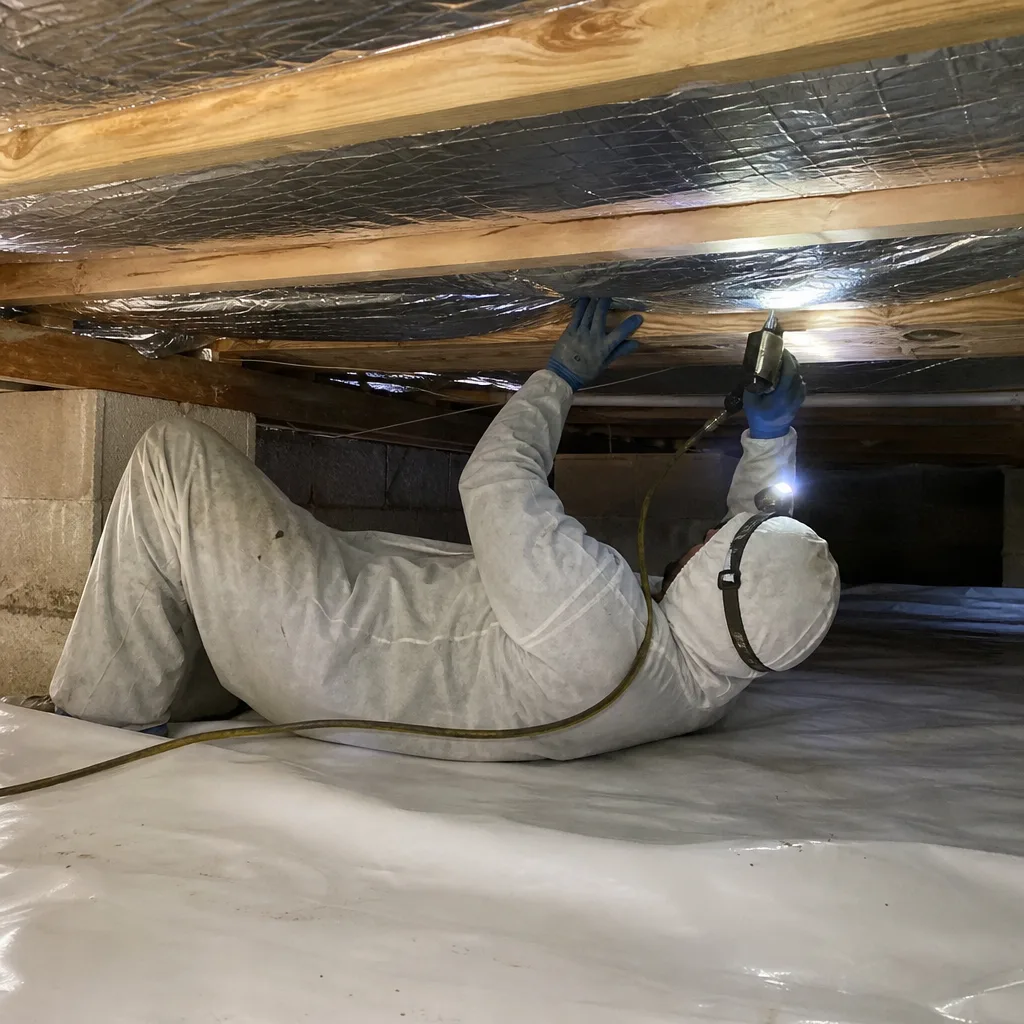
Rim Joist Spray Foam
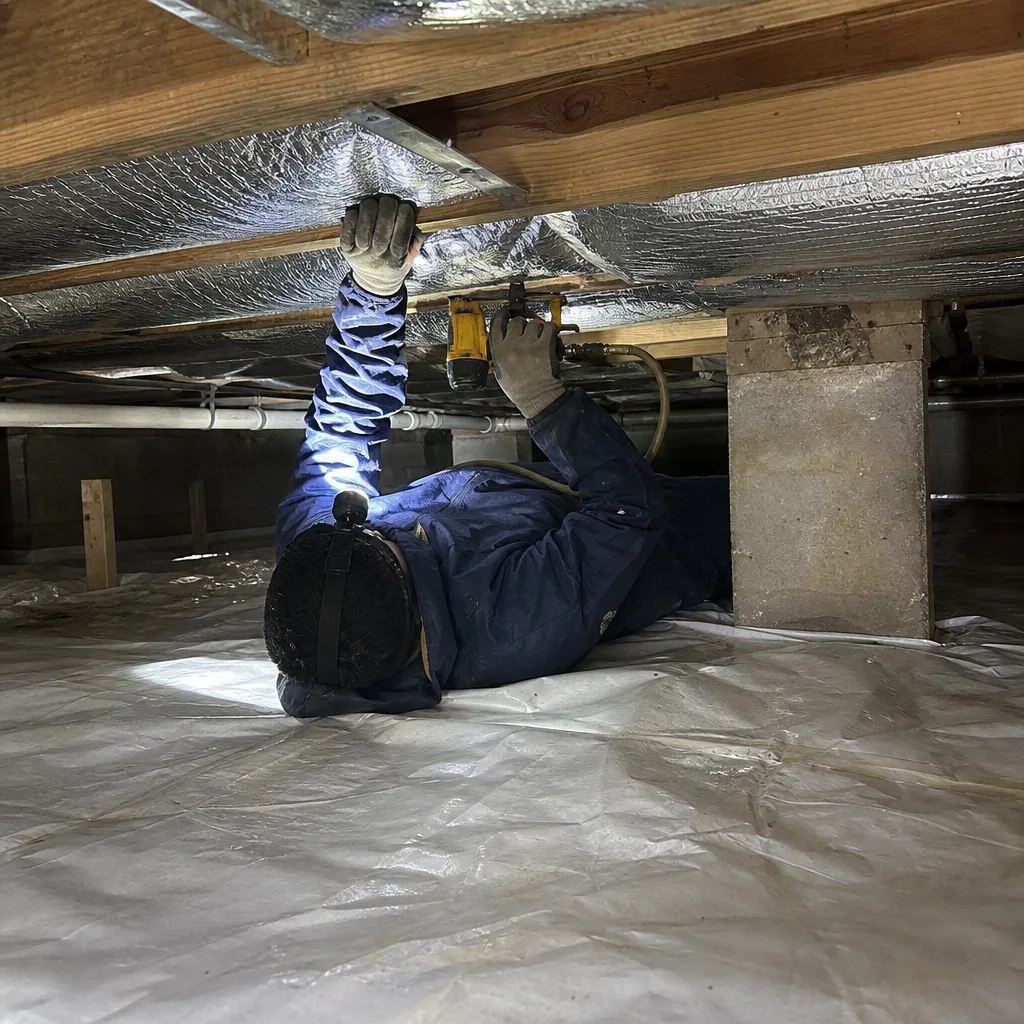
The rim joist - where the foundation meets the floor system - is often the leakiest square foot in a San Antonio home. In slab-on-grade construction, it’s the transition between conditioned space and exterior; in pier-and-beam homes in King William, Lavaca, and Monte Vista, it’s frequently left unsealed or foamed on the outside face only, leaving the crawl-side gap open and pulling humid air up through the floor. We spray closed-cell rim joist foam to full thickness, seal all sides of the assembly, and verify with blower-door subtraction testing. A typical San Antonio rim joist treatment runs $800-$1,800 depending on linear footage and access.
Garage Ceiling Spray Foam
Attached garages in San Antonio’s 1980s-1990s tracts often have uninsulated ceilings with bedrooms above, creating a thermal bridge and air leak path. We spray open-cell or closed-cell depending on whether the garage is conditioned or ventilated, always after sealing penetrations and the garage-to-house wall. Typical garage ceiling projects in San Antonio run $1,200-$2,800.
What happens when you call
- 1
A real person answersNo phone trees - you reach a local pro.
- 2
You get an upfront price rangeHonest numbers before anyone is dispatched.
- 3
A background-checked tech heads outLicensed & insured, dispatched right away.
- 4
You approve before work beginsNothing starts until you say go.
 Before
 After
AfterTrusted Brands We Service in San Antonio
We source spray foam materials from Owens Corning, Johns Manville, Knauf, and other manufacturers including Icynene, Demilec, and GreenFiber - no proprietary product lock-in that limits what’s best for your specific assembly. For San Antonio’s Climate Zone 2A conditions, we stock closed-cell formulations rated for high-temperature roof deck application and open-cell products with verified permeance ratings for humid-edge drying. Local inventory means we don’t wait two weeks for a special order; most San Antonio jobs start within days of written approval, not weeks.
Common Spray Foam Insulation Problems We See in San Antonio Homes
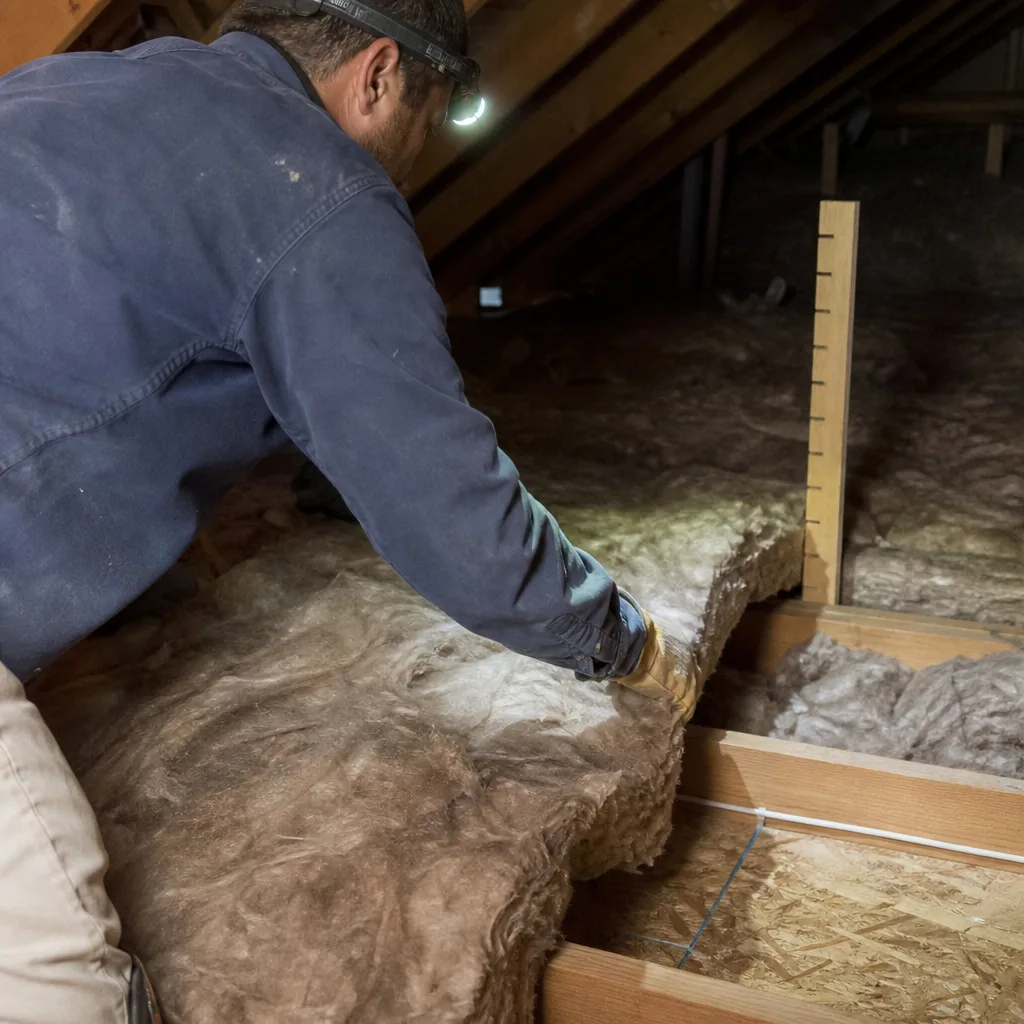
- Closed-cell sprayed too thin on 1970s-1990s tract home roof decks. A 1-inch flash coat in a 150°F San Antonio attic still lets radiant heat through; the ducts stay hot, the cooling bill barely moves, and the homeowner wonders why they spent the money. We specify minimum R-value and thickness, then verify with thermal imaging.
- Open-cell ceilings without vapor-retarding flash coats in Gulf-edge humidity. San Antonio’s hot-dry-to-humid swing means moisture can drive inward during humid spells; without a closed-cell vapor retarder above, open-cell absorbs moisture and stains the sheathing. We’ve torn out and replaced botched jobs from contractors who didn’t account for this.
- Rim joists foamed on exterior only in pier-and-beam homes. In neighborhoods like King William and Monte Vista, we regularly find rim joists with spray foam visible from the crawl space but the interior gap still open to conditioned air. Humid air gets pulled up through floor gaps. We seal all sides and test to confirm.
- Insulation blown over unsealed attic floors. Some San Antonio contractors skip air sealing and go straight to spray foam or blown-in coverage. We won’t. Top plates, can lights, plumbing penetrations, and chimney chases get sealed first - every time - because foam over a leaky floor is just expensive wallpaper.
Pricing for Spray Foam Insulation in San Antonio, TX
Most spray foam projects in San Antonio fall into these ranges based on 2024-2025 material and labor costs:
| Application | Typical Range |
|---|---|
| Open-cell spray foam (per board foot) | $1.80 - $3.20 |
| Closed-cell spray foam (per board foot) | $3.50 - $6.50 |
| Conditioned attic (roof deck, typical 1,800 sq ft home) | $4,500 - $9,500 |
| Rim joist sealing (slab or pier-and-beam) | $800 - $1,800 |
| Garage ceiling spray foam | $1,200 - $2,800 |
| Whole-home spray foam (new construction or gut remodel) | $8,000 - $18,000 |
What moves the number: attic access width (some Loop 1604 tracts have 18-inch scuttles that limit equipment), existing insulation removal, roof deck condition requiring repair before foam, and whether we’re conditioning the attic or insulating the floor. Every estimate includes a written scope, written warranty, and documented photo record - Haven Standard Clause 1, flat price before any work starts. CPS Energy rebates can offset $300-$1,500 of attic insulation upgrades depending on current program terms; we handle the paperwork. Call (830) 243-6352 for your specific written price.
We Also Serve Cities Near San Antonio
Our crews work throughout the San Antonio metro, including San Antonio proper and neighboring communities: Converse, Universal City, Schertz, and Cibolo. Same written-price standard, same blower-door documentation, same 365-Day Done Right Promise. Dispatch is coordinated from our San Antonio office, so response times to these areas stay tight.
Serving San Antonio, TX - Our Local Coverage Area
We’re based in the San Antonio area and know this community well. Use the map below to see our service coverage - if you’re nearby, we can almost certainly help.
FAQs - Spray Foam Insulation in San Antonio
Because most San Antonio homes built from the 1970s-1990s have HVAC ducts running through unconditioned attics that hit 140-150°F. Adding R-38 or R-49 to the attic floor doesn’t change the fact that your cooling system is breathing 150°F air through leaky ductwork. Moving the thermal boundary to the roof deck with closed-cell spray foam puts ducts inside conditioned space, drops attic temperature to 80-90°F, and typically cuts cooling bills 20-30%. It’s become the standard approach here because it solves the actual problem, not just the symptom. Call (830) 243-6352 and we’ll show you blower-door numbers from a similar home.
Yes - CPS Energy, San Antonio’s municipally owned utility, runs targeted rebate programs for attic insulation upgrades that no neighboring city’s utility replicates in the same way. Conditioned attic conversions with documented pre- and post-insulation R-values typically qualify for $300-$1,500 depending on current program year and home size. We complete the rebate paperwork as part of every qualifying job; most of our San Antonio customers see the credit on their CPS bill within 60-90 days. The rebate makes the retrofit conversation both urgent and financially incentivized in a way specific to San Antonio homeowners. Call (830) 243-6352 for current program details.
Closed-cell on the rim joist, open-cell in the floor joist bays if they’re accessible - but only after a full air-leakage assessment. Many historic pier-and-beam homes in these neighborhoods have rim joists foamed on the outside face only, leaving the crawl-side gap unsealed and pulling humid air up through the floor. We seal all sides of the rim joist assembly with closed-cell, verify with blower-door subtraction testing, and specify vapor-permeable open-cell below only where the assembly can dry downward. The February 2021 freeze exposed how thin these homes’ thermal envelopes are; rim joist sealing is now the first upgrade we recommend. Call (830) 243-6352 for a written scope specific to your foundation type.
Winter Storm Uri proved that San Antonio homes built to minimal 1970s-1990s code couldn’t maintain safe temperatures when the grid failed for days. Homes with sealed, insulated envelopes - including closed-cell spray foam on rim joists and roof decks - held heat longer and used less backup power. Since 2021, we’ve seen San Antonio homeowners prioritize air sealing and insulation that works for both cooling dominance and heating resilience. The conditioned attic approach with closed-cell roof deck foam provides that dual benefit: it blocks summer radiant heat and reduces winter heat loss through the ceiling. Call (830) 243-6352 to discuss how your home performed during that freeze and what would change with proper envelope sealing.
Only if it’s specified wrong. San Antonio sits at the northern edge of Gulf moisture influence, so our hot-dry-to-humid swing means spray foam here has to manage vapor in both directions - a balancing act inland Texas metros don’t face. We use a closed-cell flash coat on the roof deck for the 140-150°F summer bake, with open-cell below only where the assembly can dry to the interior. The closed-cell layer acts as the vapor retarder; the open-cell below remains vapor-permeable. We never use open-cell alone on a roof deck in this climate, and we verify assembly drying potential with manufacturer permeance data. Every job gets documented photo record of foam thickness and coverage so you have proof of proper installation. Call (830) 243-6352 for specifics on your roof assembly.
Written by Wes Okafor, Owner at Topside Attic Insulation New Braunfels, serving San Antonio since 2016.