

Fast, Reliable Spray Foam Insulation Across Converse
Spray foam insulation in Converse typically runs $2.80-$5.40 per board foot depending on open-cell or closed-cell product, with most attic jobs on a standard 1,500-square-foot tract home falling between $2,400 and $4,800. Our crews dispatch from the San Antonio office and usually reach Converse properties within 45 minutes to an hour. Call (830) 243-6352 for a written price before any work starts.
We’ve worked the Converse market long enough to know the difference between a home on Gibbs Sprawl Road near the newer builds and the original 1980s slabs off FM 1518. That local knowledge matters because the insulation failures we find in those two places are completely different animals. Our Spray Foam Insulation team treats every Converse job as its own building-science problem, not a product installation.
Why Topside Attic Insulation New Braunfels Is Converse’s Preferred Spray Foam Insulation Company
Converse homeowners don’t hire contractors who need a GPS to find their neighborhood. We’ve insulated homes from the older sections near Converse City Park to the newer construction around Woodlake and the corridors feeding into Universal City. Our reviews from Converse customers consistently mention two things: we show up when we said we would, and we leave documentation behind that proves what changed.
Response time to Converse averages under an hour from dispatch. That’s not a marketing claim; it’s a function of running crews out of the San Antonio office with Converse as a primary service zone, not an afterthought. When a homeowner calls (830) 243-6352, a live person answers, 24/7. No callback windows measured in business days.
Our local knowledge runs deeper than driving routes. We know which Converse subdivisions were built during the 1989-2005 boom that preceded JBSA-Randolph’s expansion, and which ones went up after 2010 when energy codes finally started tightening. That construction-era difference determines whether we’re dealing with original R-19 batts over unsealed drywall or something slightly better that still fails because the air sealing was never done right.
Our Spray Foam Insulation Services in Converse
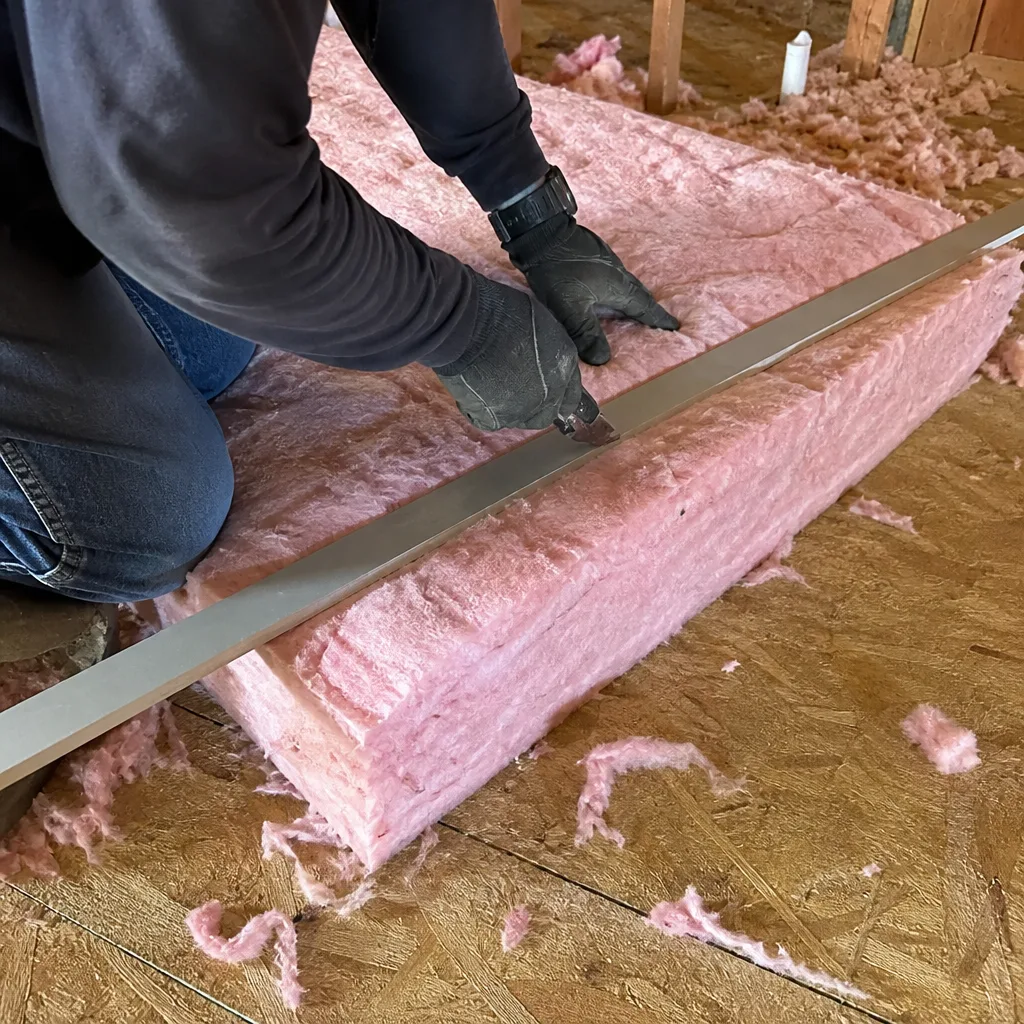
Closed-Cell Spray Foam
Closed-cell spray foam is the denser of the two main products, running about 2.0 pounds per cubic foot and delivering R-6.5 to R-7 per inch. In Converse, we specify closed-cell for roof deck applications and any situation where the foam needs to act as both insulation and an air barrier in one pass. The 150°F attic temperatures common on Converse’s east side during July and August will degrade any foam that was shot over a dirty, unsealed deck, so our crews vacuum and seal first. That’s non-negotiable under The Haven Standard.
On military-rental properties near the Randolph corridor, closed-cell on the roof deck solves a specific problem: it creates a conditioned attic that HVAC techs can service without displacing loose insulation every time they climb up. The foam stays put. The R-value stays put. The tenant’s bill stops spiking every August.
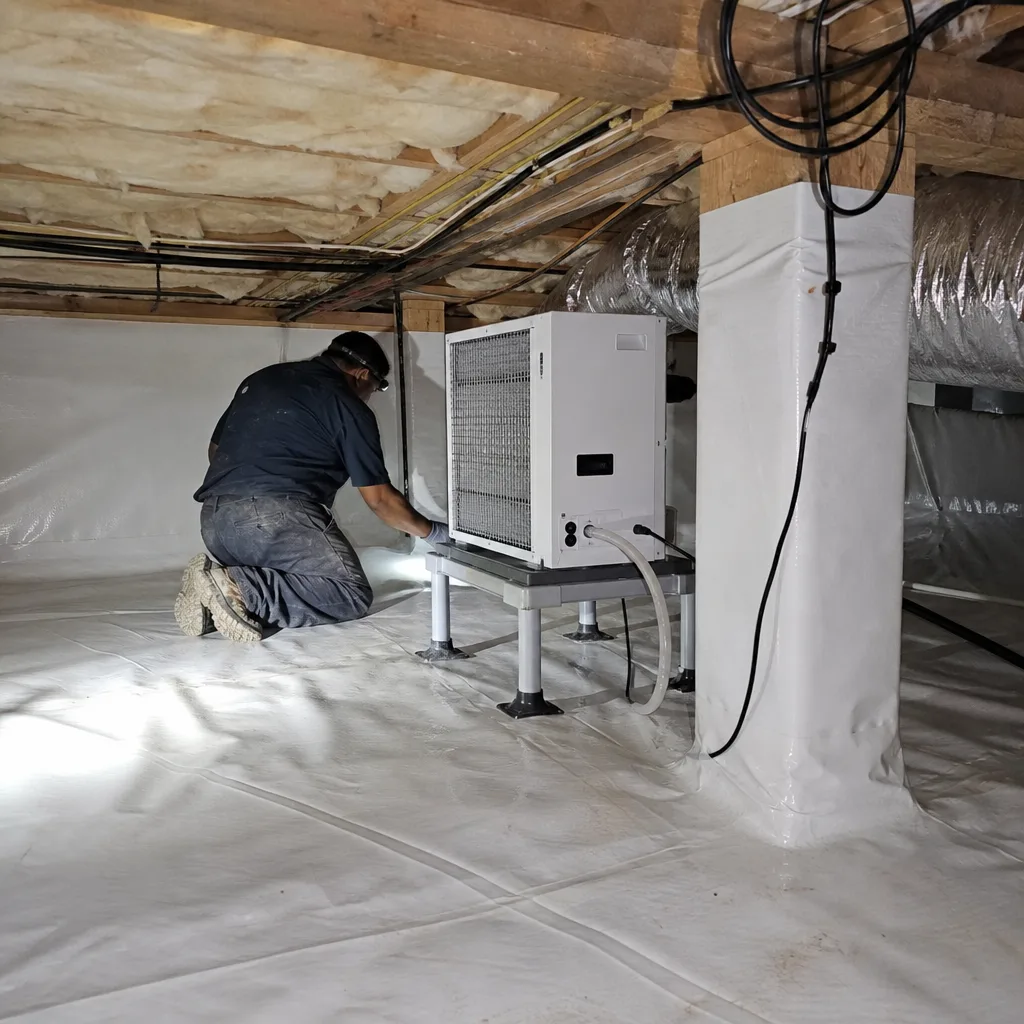
Open-Cell Spray Foam
Open-cell runs lighter, about 0.5 pounds per cubic foot, with R-3.5 to R-3.7 per inch. It’s vapor-permeable, which means it allows moisture to pass through rather than trapping it. In Converse’s climate, we use open-cell primarily for above-grade wall cavities in homes where the exterior sheathing is in good condition and the homeowner wants sound dampening along with thermal performance. The product costs less per board foot than closed-cell, but it requires careful application in our Gulf-moisture environment.
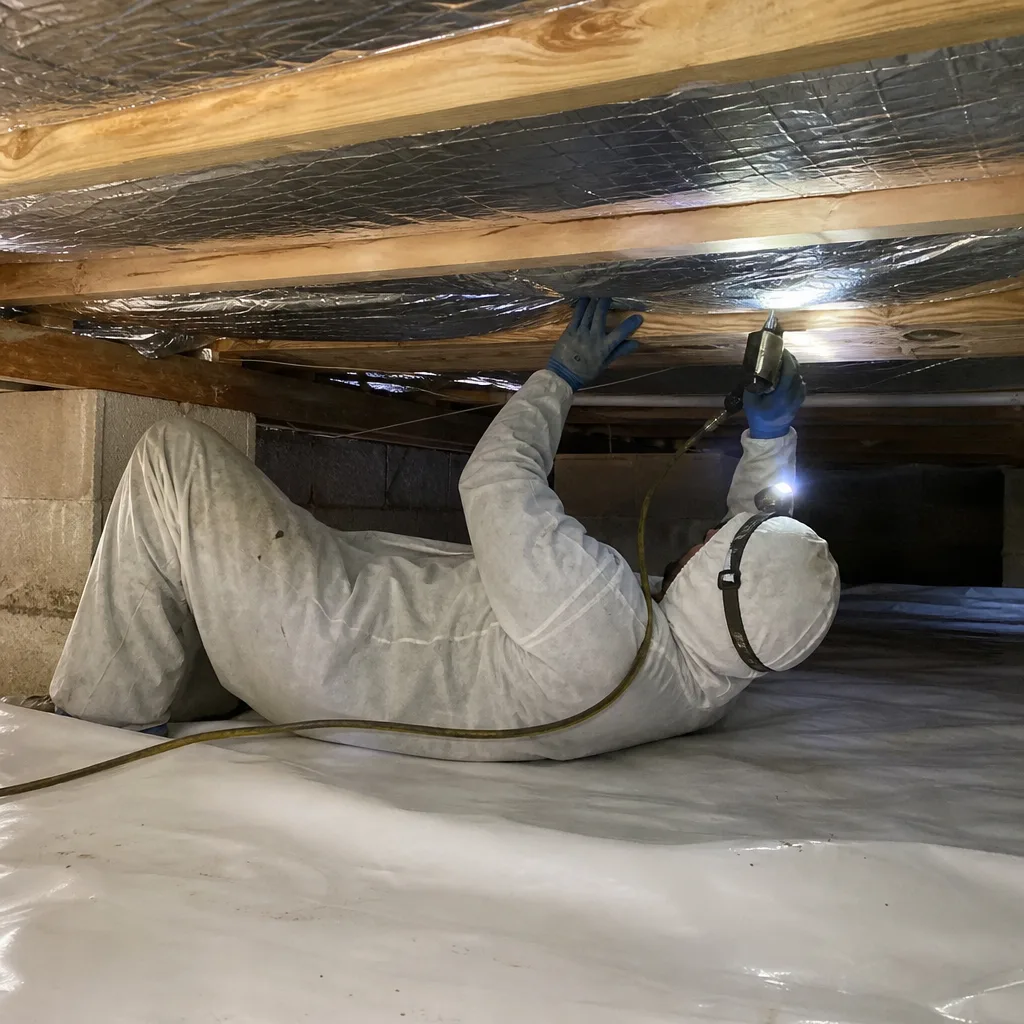
Rim Joist Spray Foam
Converse’s slab-on-grade construction from the 1980s through the 2000s left a critical gap at the rim joist, the perimeter band where the exterior walls meet the foundation. These rim joists were typically insulated with a thin piece of fiberglass batt tucked loosely into the cavity, or nothing at all. The result is a thermal bridge that bleeds conditioned air directly to the exterior, plus a moisture collection point where Gulf humidity condenses on the cool concrete.
We spray 2-3 inches of closed-cell foam into Converse rim joist cavities after sealing all penetrations. The foam adheres to the concrete, the sill plate, and the subfloor simultaneously, creating a monolithic air barrier. On homes near Kitty Hawk Road and the older sections off Seguin Road, this single upgrade often produces the most noticeable comfort improvement per dollar spent.
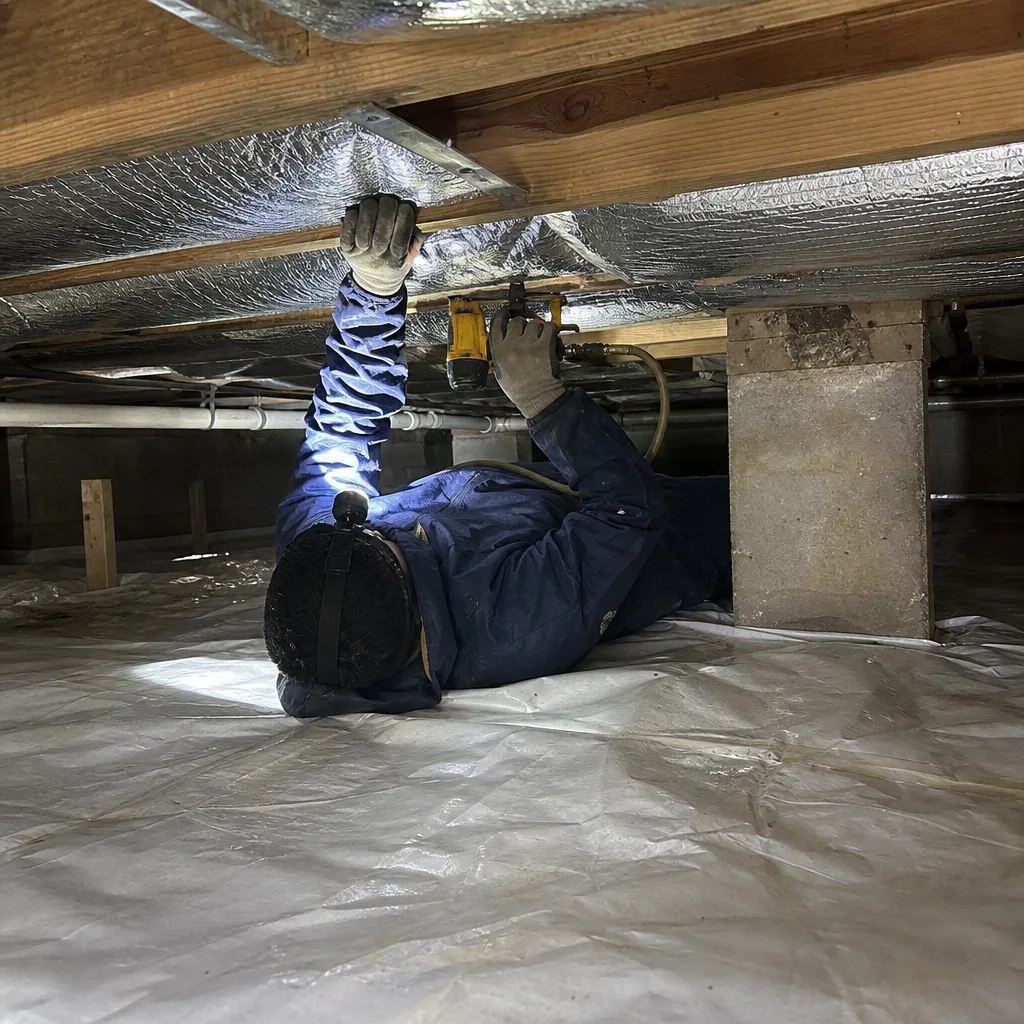
Garage Ceiling Spray Foam
Converse’s tract-home builders frequently positioned bedrooms directly above unconditioned garages, separated by a garage ceiling with minimal or no insulation. In summer, that ceiling becomes a radiant heat source that bakes the room above it. We’ve sprayed garage ceilings in neighborhoods from Live Oak Springs to the areas near Converse North Park, typically applying 5-6 inches of open-cell foam to achieve R-19+ and a complete air seal. The bedroom above stops being the hottest room in the house.
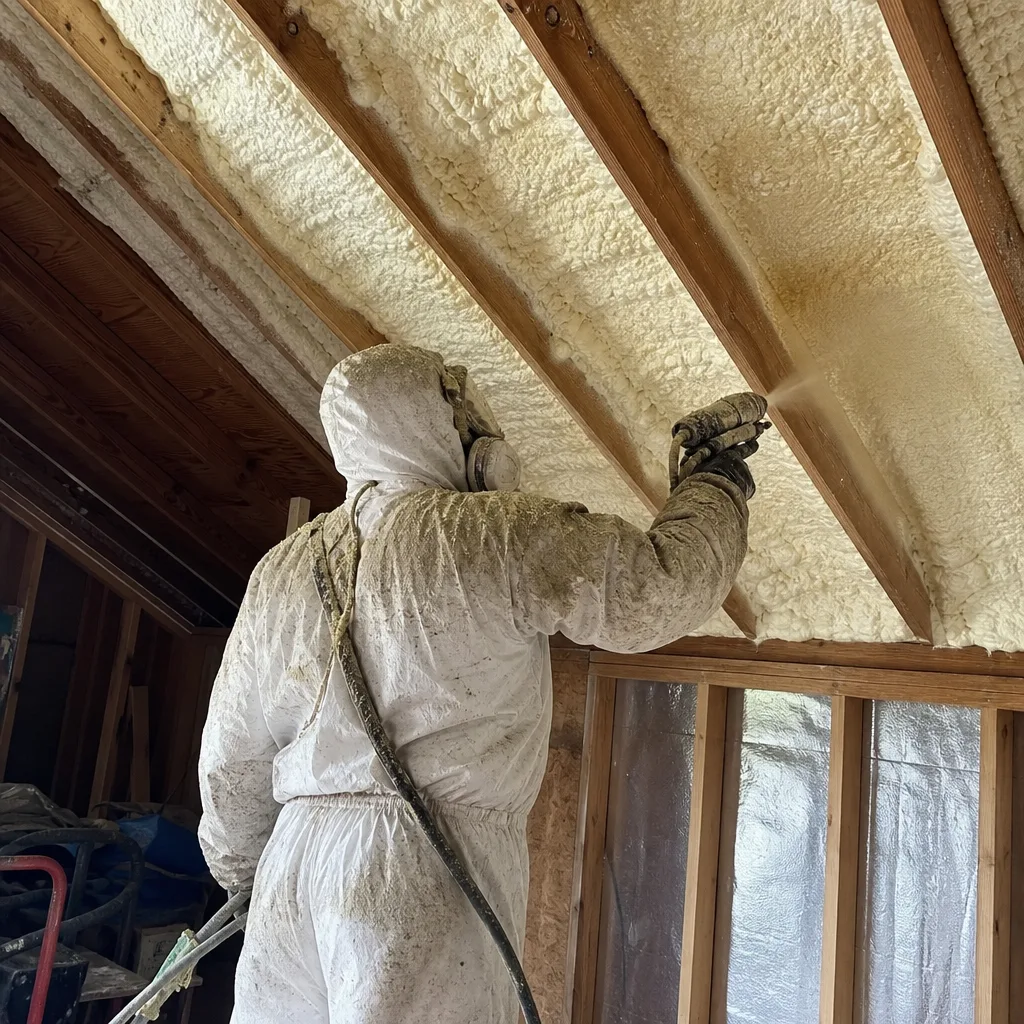
Spray Foam Roof Deck
The spray foam roof deck application is our most specified upgrade for Converse’s 1980s-2000s stock. Instead of insulating the attic floor, we insulate the underside of the roof deck itself, converting the attic from a vented, unconditioned space to an unvented, conditioned space. This eliminates the 150°F temperature differential that makes Converse attics so punishing on HVAC systems and ductwork.
On a recent job near the Randolph corridor, our crew shot 2 inches of closed-cell against the roof deck and gable ends of a 1989 slab home. The before-and-after blower-door test dropped from 3,800 CFM50 to 2,100 CFM50. The homeowner received the written scope, the photo record, and the blower-door documentation before anyone packed up.
What happens when you call
- 1
A real person answersNo phone trees - you reach a local pro.
- 2
You get an upfront price rangeHonest numbers before anyone is dispatched.
- 3
A background-checked tech heads outLicensed & insured, dispatched right away.
- 4
You approve before work beginsNothing starts until you say go.
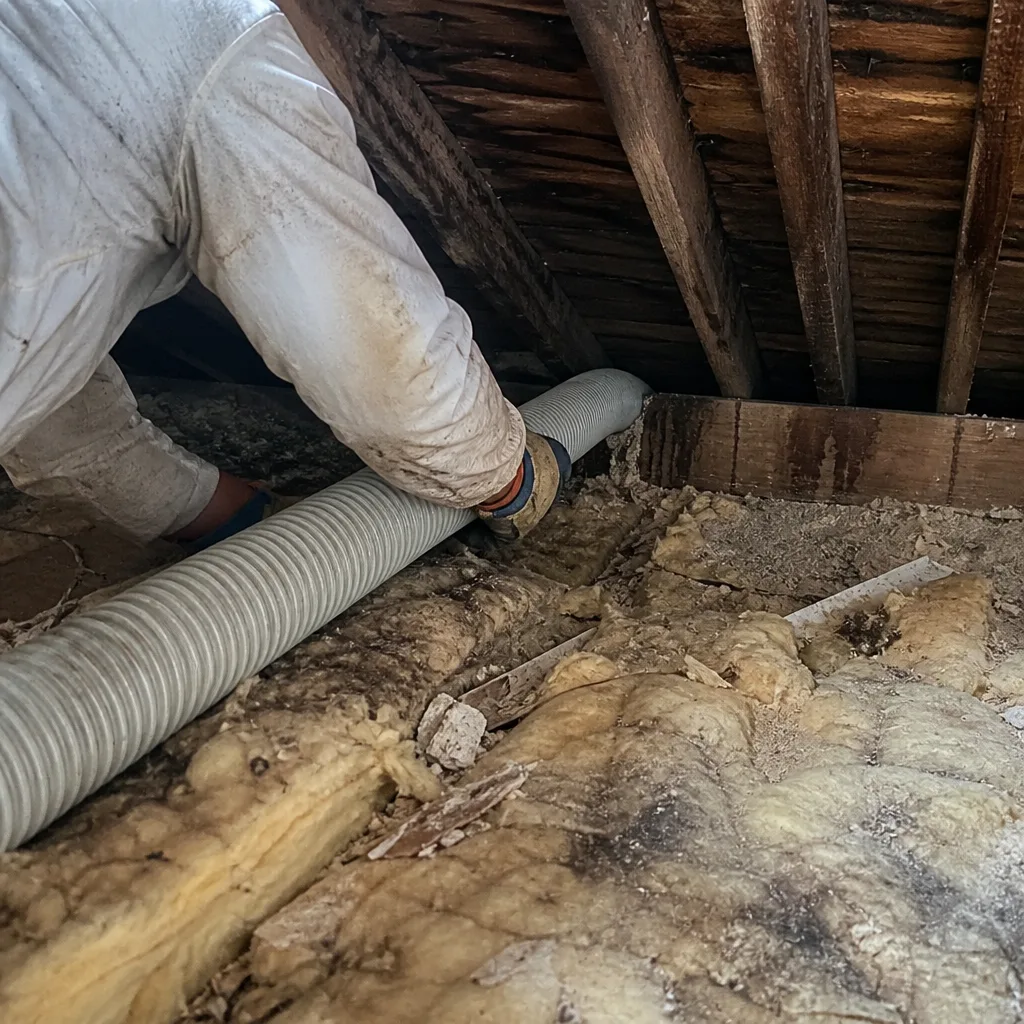 Before
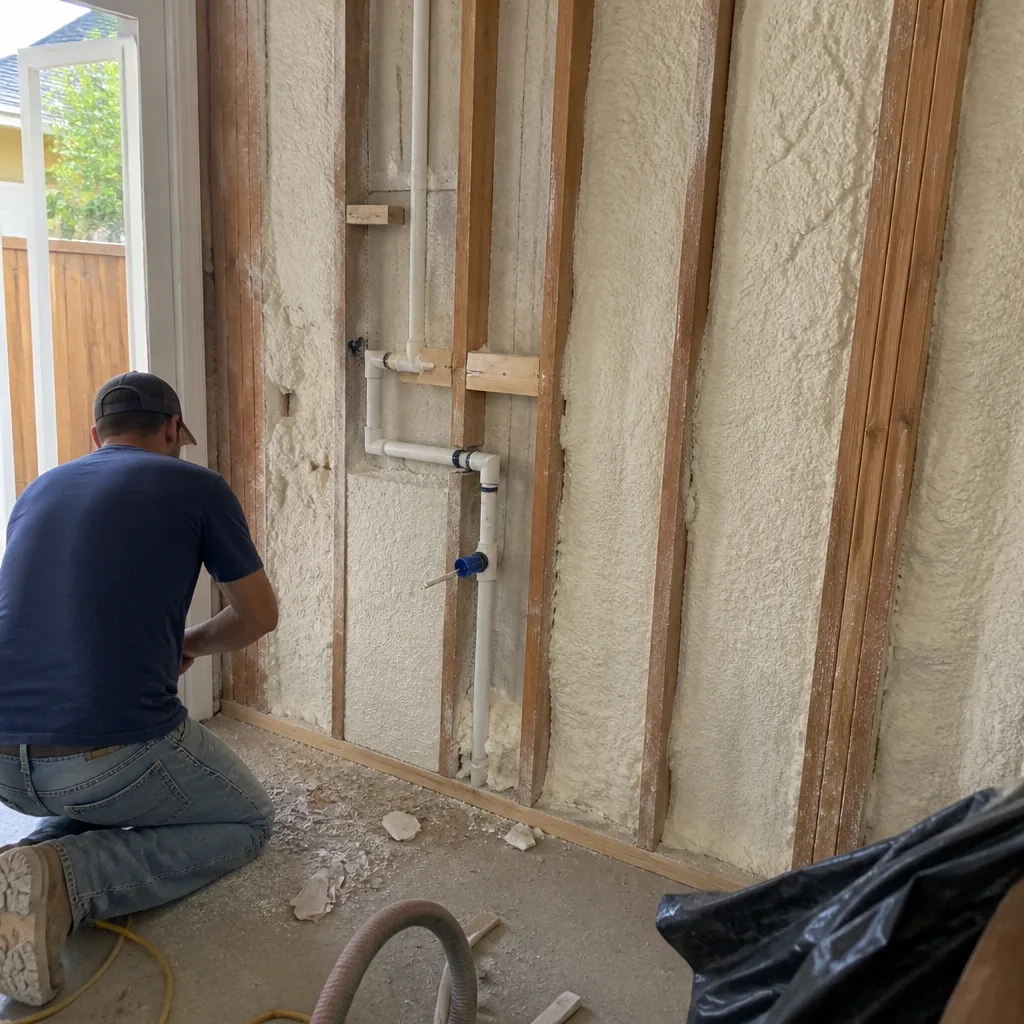 After
AfterTrusted Brands We Service in Converse
We source spray foam materials from Demilec, Johns Manville, and Owens Corning, among others. No proprietary lock-in means we specify the right product for the Converse job rather than pushing whatever our supplier needs to move. Demilec’s heat-resistant formulations perform well in our 150°F attic conditions. Johns Manville’s open-cell products offer consistent expansion ratios for wall cavities. Owens Corning’s closed-cell line provides the density and adhesion we want for rim joist and roof deck work. We stock local inventory for Converse jobs to avoid supply-chain delays that push schedules into the next billing cycle.
Common Spray Foam Insulation Problems We See in Converse Homes
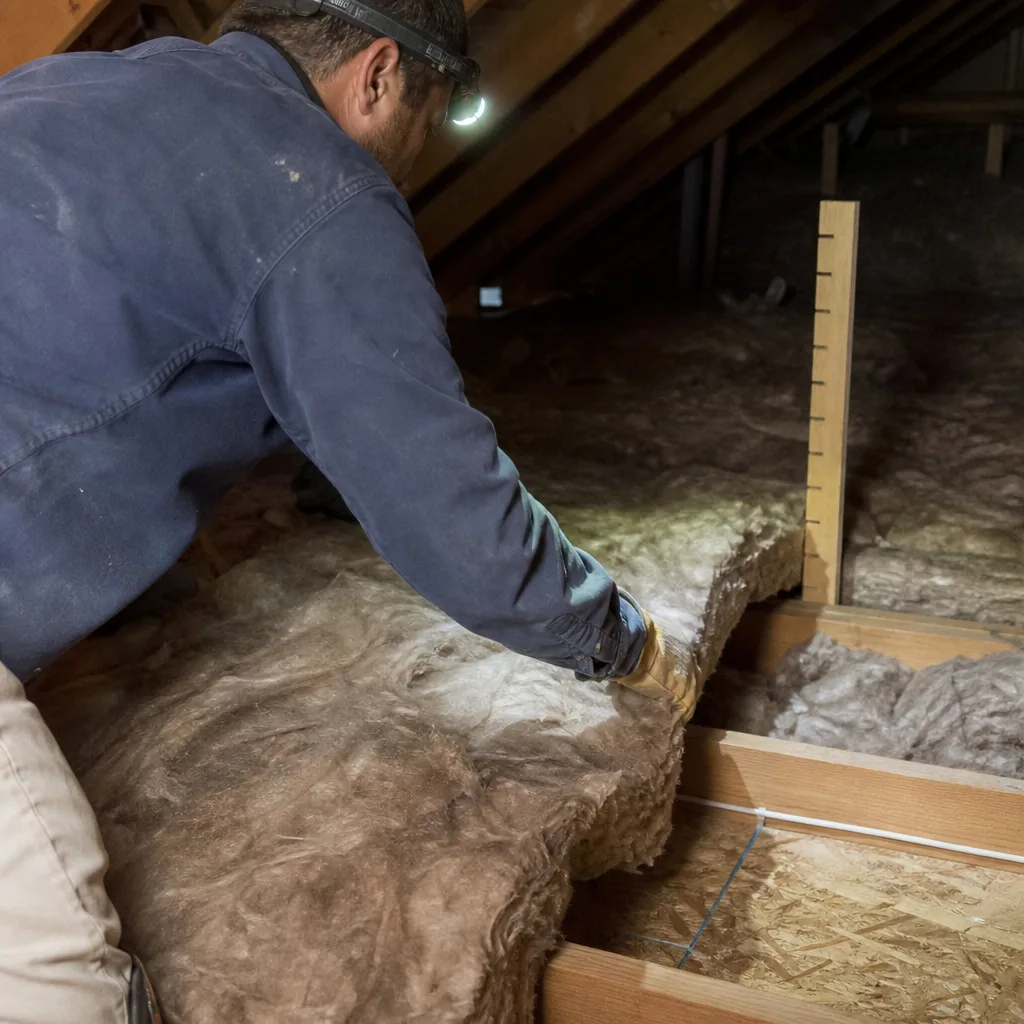
- HVAC-displaced batts over bare drywall. On the military-rental streets east of JBSA-Randolph, we regularly pull attic hatches to find original R-19 batts shoved flat against the sides of flex-duct runs, with bare drywall in the center of the field. Four years of rotating HVAC crews wrestling ductwork across the attic will do that. The homeowner sees intact insulation from the hatch; the infrared camera sees 140°F surface temperatures on the ceiling below.
- Gulf-moisture vapor drive degrading fiberglass. Converse’s proximity to Gulf moisture creates vapor drive conditions that push humid attic air through unsealed top plates. Fiberglass batts absorb that moisture, collapse against the drywall, and read far below even their thin original R-value. The batts look fine from the hatch. They’re not.
- Spray foam applied over unsealed, dirty decks. We’ve been called to fix other contractors’ work where open-cell foam was shot directly over years of dust, rodent debris, and compressed old insulation. The foam bonds to the contamination layer instead of the substrate. Air leaks straight through. In Converse’s 150°F attics, that failure mode accelerates.
- Original slab-home rim joists left open. The 1980s and 1990s tract homes from Woodlake to the areas near Converse City Park were built with uninsulated rim joists as standard practice. Conditioned air leaks continuously through these perimeter bands, and the cold concrete surface collects condensation that supports mold growth in the crawl-adjacent wall cavities.
Pricing for Spray Foam Insulation in Converse, TX
| Application | Typical Range (Converse Market) | Notes |
|---|---|---|
| Open-cell spray foam, walls | $2.80-$3.60 per board foot | Vapor-permeable; requires intact exterior sheathing |
| Closed-cell spray foam, roof deck | $4.20-$5.40 per board foot | Air barrier + insulation in one; seals to substrate |
| Rim joist spray foam | $1,800-$3,200 total job | Typical 1,500-2,000 sq ft slab home |
| Garage ceiling spray foam | $2,400-$4,200 total job | Depends on garage size and existing conditions |
| Full attic conversion (roof deck) | $4,800-$8,500 total job | Includes air sealing, prep, closed-cell application |
These ranges reflect Converse’s current market conditions, including material costs and the access characteristics typical of local housing stock. Final pricing depends on square footage, existing conditions, and whether we’re remediating failed prior work. Every job begins with a written price before any work starts, per Haven Standard Clause 1. Bring us a competing written estimate and we’ll provide a Free Second Opinion, line by line.
Call (830) 243-6352 to schedule. Estimates are free. The written price you receive is the price you pay.
We Also Serve Cities Near Converse
Our crews work Spray Foam Insulation in Converse as a primary zone, with regular dispatch to Universal City, Schertz, Cibolo, and San Antonio. Scheduling is coordinated from the San Antonio office to maintain the response times Converse homeowners expect.
Serving Converse, TX - Our Local Coverage Area
We’re based in the Converse area and know this community well. Use the map below to see our service coverage - if you’re nearby, we can almost certainly help.
FAQs - Spray Foam Insulation in Converse
Probably. On a rental near the Randolph corridor, our tech pulled the hatch and found the original R-19 batts shoved flat to the sides of a flex-duct run that four years of rotating HVAC crews had wrestled across the attic - the center of the field was bare drywall. We air-sealed the top plates and duct boots, then shot 2 inches of closed-cell against the roof deck and gable ends so the foam, not loose fiberglass, is what the next HVAC tech has to work around; the tenant’s August cooling run dropped noticeably on the next bill cycle. Call (830) 243-6352 and we’ll inspect with a camera. The estimate is free.
Yes, when properly specified and applied. The key is substrate preparation: vacuum the deck clean, seal all penetrations, and specify a formulation rated for sustained high-temperature exposure. Demilec and Owens Corning both produce closed-cell products tested for these conditions. We never shoot foam over a dirty or unsealed deck; that’s how foam fails in Converse heat. Our 365-Day Done Right Promise covers the application. Call (830) 243-6352 for a written scope.
It eliminates the displacement problem. With spray foam on the roof deck, the attic is conditioned space. The HVAC tech works in 75°F air instead of 150°F air, and there’s no loose batt insulation to shove aside, compress, or tear. The foam stays put. The R-value stays put. Your insulation investment stops being eroded by routine service calls. We document the new configuration with photos so every subsequent tech knows what they’re working with.
The failure is systematic displacement of original R-19 batts by rotating HVAC crews, combined with zero air sealing. Because Converse’s military-rental streets east of JBSA-Randolph turn over every 2-3 years, insulation is rarely owned by anyone long enough to fix it - so a huge share of these slab-on-grade 1980s-2000s tract homes still run original builder-grade R-19 batts that repeated HVAC service has displaced around the ductwork. Spray foam, particularly closed-cell on the roof deck, breaks that cycle by creating a permanent, monolithic insulation layer that can’t be shoved aside. Call (830) 243-6352 for an inspection.
Yes. We regularly spray garage ceilings in Converse neighborhoods from Live Oak Springs to the areas near Converse North Park, typically applying 5-6 inches of open-cell foam to achieve R-19+ and a complete air seal. The bedroom above stops being the hottest room in the house. The job usually completes in one day, and you’ll receive a Documented Photo Record and written warranty before the crew leaves. Most garage ceiling jobs in Converse run $2,400-$4,200. Call (830) 243-6352 for an exact written price.
Written by Wes Okafor, Owner at Topside Attic Insulation New Braunfels, serving Converse and the greater San Antonio metro since 2016.