

Fast, Reliable Blown-In Insulation Across San Antonio
Blown-in insulation in San Antonio typically costs $1.80-$3.20 per square foot for attic floor work, with most complete attic jobs running $2,400-$5,800 depending on accessibility and whether air sealing is included first. We’re usually on-site within 24-48 hours for standard appointments, and our San Antonio office coordinates dispatch so crews arrive with the right material stock for your specific roof type. Call (830) 243-6352 for a written price before any work starts.
We’ve worked in San Antonio attics since 2016 - from the pier-and-beam Craftsman homes in Monte Vista to the slab-on-grade tract houses inside Loop 1604 built during the 1970s-1990s boom. That range matters because the insulation strategy changes with the structure. A flat-roofed home in Universal City with HVAC ducts baking in a 150°F attic needs a different approach than a vented attic in King William with original 1920s floor joists. Our Blown-In Insulation team doesn’t guess; we test, document, and then blow.
Why Topside Attic Insulation New Braunfels Is San Antonio’s Preferred Blown-In Insulation Company
We’ve sealed and insulated over 9,000 homes since 2016, and a significant share of those have been in San Antonio proper and the near suburbs. San Antonio homeowners leave reviews that mention the same things: the blower-door numbers we publish, the photo record they receive, and the written price that doesn’t change. Our 365-Day Done Right Promise applies to every job, backed by Haven Standard documentation.
Response time to San Antonio neighborhoods runs 24-48 hours for standard assessments, with same-day availability for urgent cases like post-storm insulation damage or failed inspections. Our crews know the local building stock - the R-11 legacy inside Loop 1604, the pier-and-beam gaps in Lavaca, the conditioned-attic conversions common in Alamo Heights - so we don’t waste time figuring out what we’re looking at.
Every San Antonio job closes with a Documented Photo Record and, on applicable work, before-and-after blower-door readings. You’ll see the pressurization number change in CFM50 - the actual air leakage rate - not a vague promise about “improved efficiency.” That’s Haven Standard Clause 1: flat price, written scope, written warranty before anyone lifts a tool.
Our Blown-In Insulation Services in San Antonio
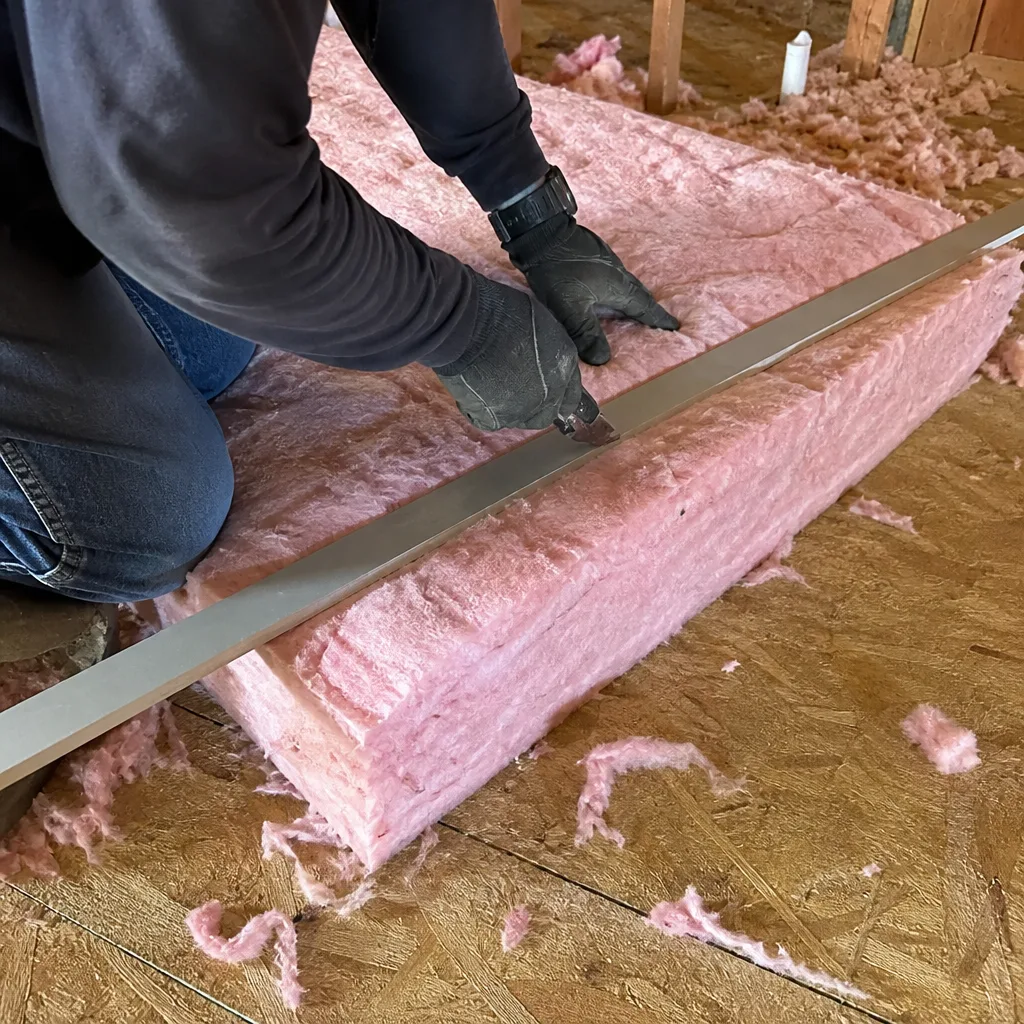
Blown-In Cellulose
We blow GreenFiber cellulose for most San Antonio attic floors. Cellulose handles our 140-150°F attic heat better than some alternatives because it resists convection looping - the air movement that can undermine loose-fill performance in extreme temperature differentials. In San Antonio’s Climate Zone 2A, that matters. We typically specify R-38 to R-49 for attic floors, which means 10-14 inches of settled cellulose depending on your roof framing depth. But we never blow it over an unsealed attic floor. Top plates, can lights, plumbing and electrical penetrations get sealed first. Otherwise we’re just burying air leaks.
Blown-In Fiberglass
Fiberglass works well for San Antonio homeowners who need a non-cellulose option, particularly in situations where moisture management is already compromised and the assembly needs time to dry before denser material goes in. We source from Owens Corning and Johns Manville - no proprietary lock-in, so we match the product to the condition. Fiberglass doesn’t settle as densely as cellulose, which can be an advantage in certain vented attic configurations common in 1980s Schertz and Cibolo builds, but it requires more careful installation to avoid thin spots over the ceiling plane.
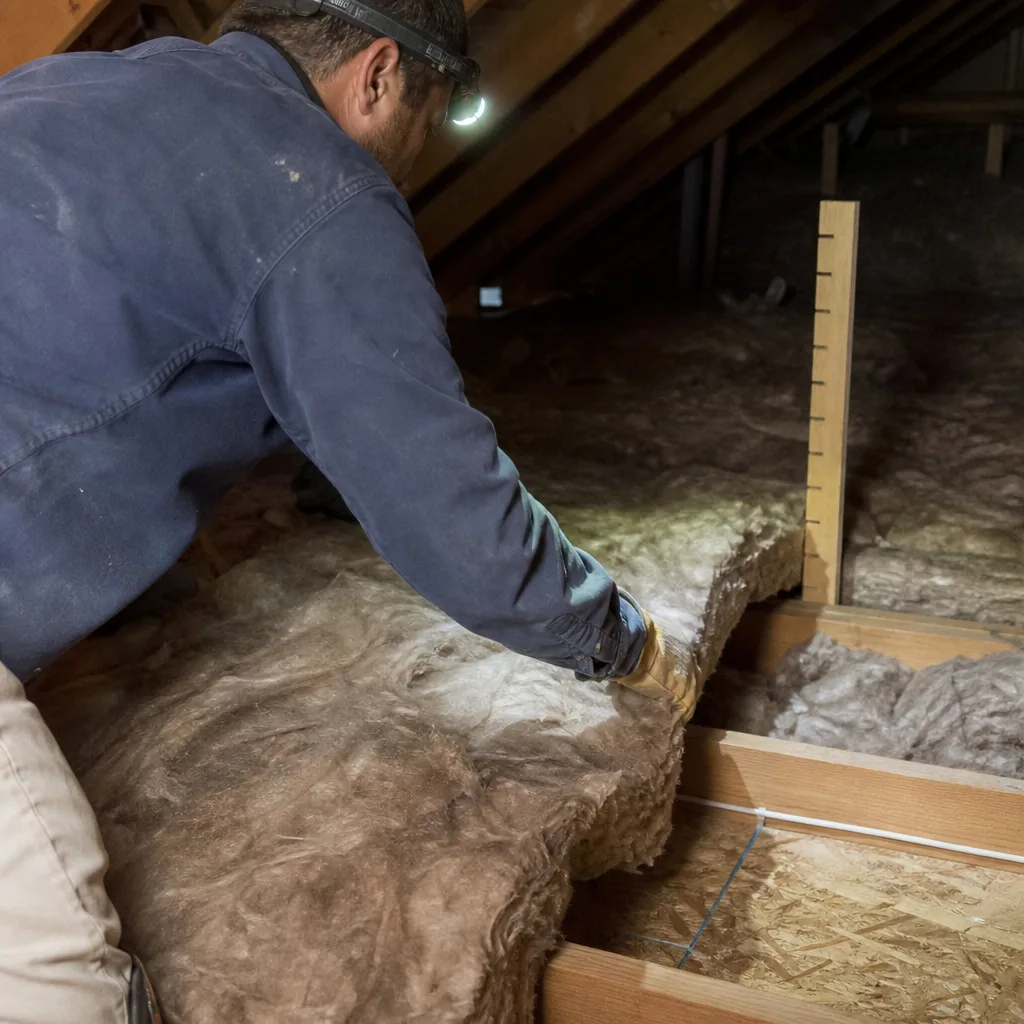
Dense-Pack Wall Insulation
San Antonio’s older neighborhoods - King William, Lavaca, Monte Vista - have balloon-framed or uninsulated stud cavities that were never designed for thermal performance. Dense-pack cellulose, blown at 3.5 pounds per cubic foot, fills these cavities without removing interior drywall. The technique requires experience with San Antonio’s specific wall construction: the lap siding over ship-lap sheathing, the occasional asbestos siding that changes our access strategy, the knob-and-tube wiring that still turns up in pre-1950s homes. We assess each wall cavity with a borescope before committing to the pack density.
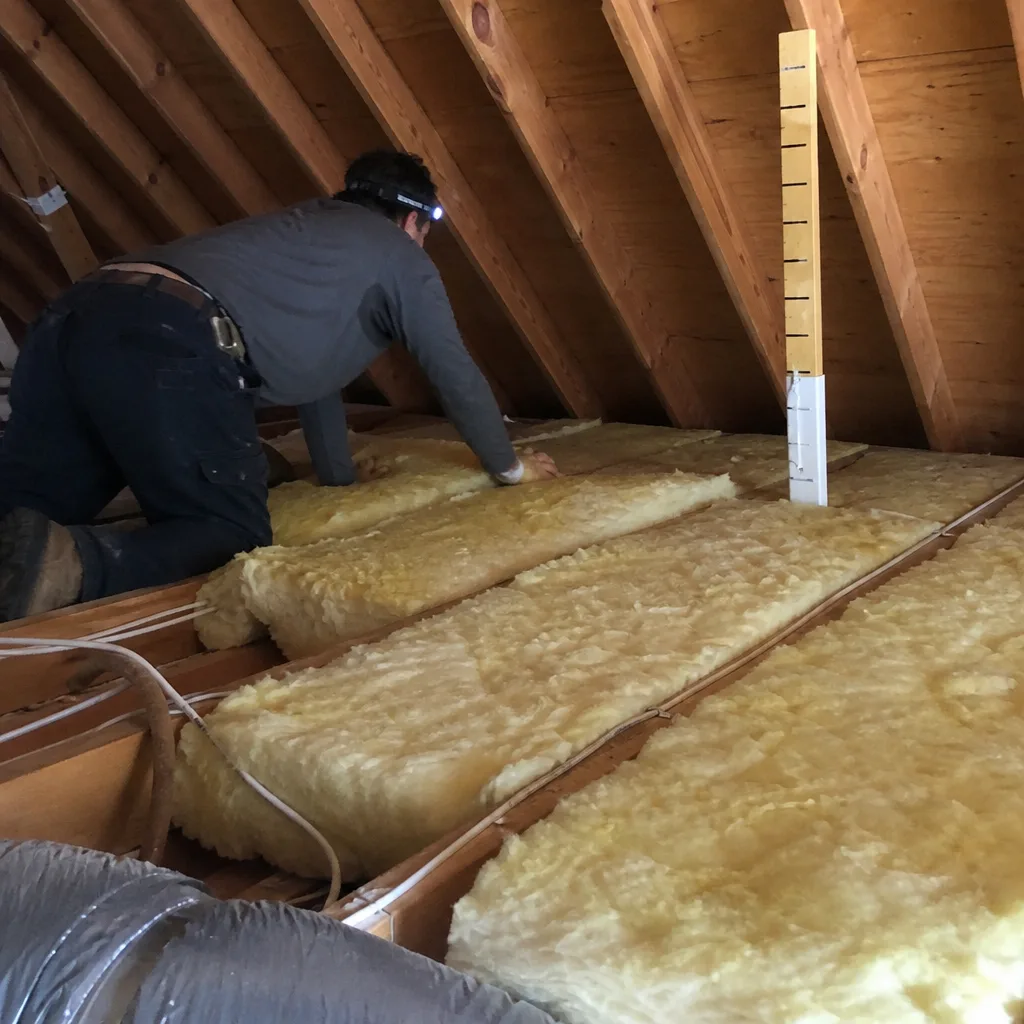
Blown-In Top-Up
This is the most common call we get in San Antonio. A homeowner buys a 1970s-1990s tract home inside Loop 1604, climbs into the attic, and finds 3-4 inches of compressed original insulation - maybe R-11, maybe less after decades of settling. A blown-in top-up brings the attic to current code minimum or beyond, but only if we address what’s underneath. In San Antonio, that means air-sealing first, then blowing to full depth. We’ve seen too many top-ups applied over leaky attic floors where the new insulation simply hides the problem. The homeowner pays for R-38 performance and gets R-20 with a side of conditioned air loss.
In the Monte Vista area, we topped up a 1920s pier-and-beam Craftsman where the original attic had only a thin, settled layer of old loose fill and the rim joists were wide open. We air-sealed the attic floor penetrations first, then blew GreenFiber cellulose to bring the attic up to modern R-value, and the homeowner immediately noticed the second floor held temperature through the afternoon peak instead of climbing with the attic heat.
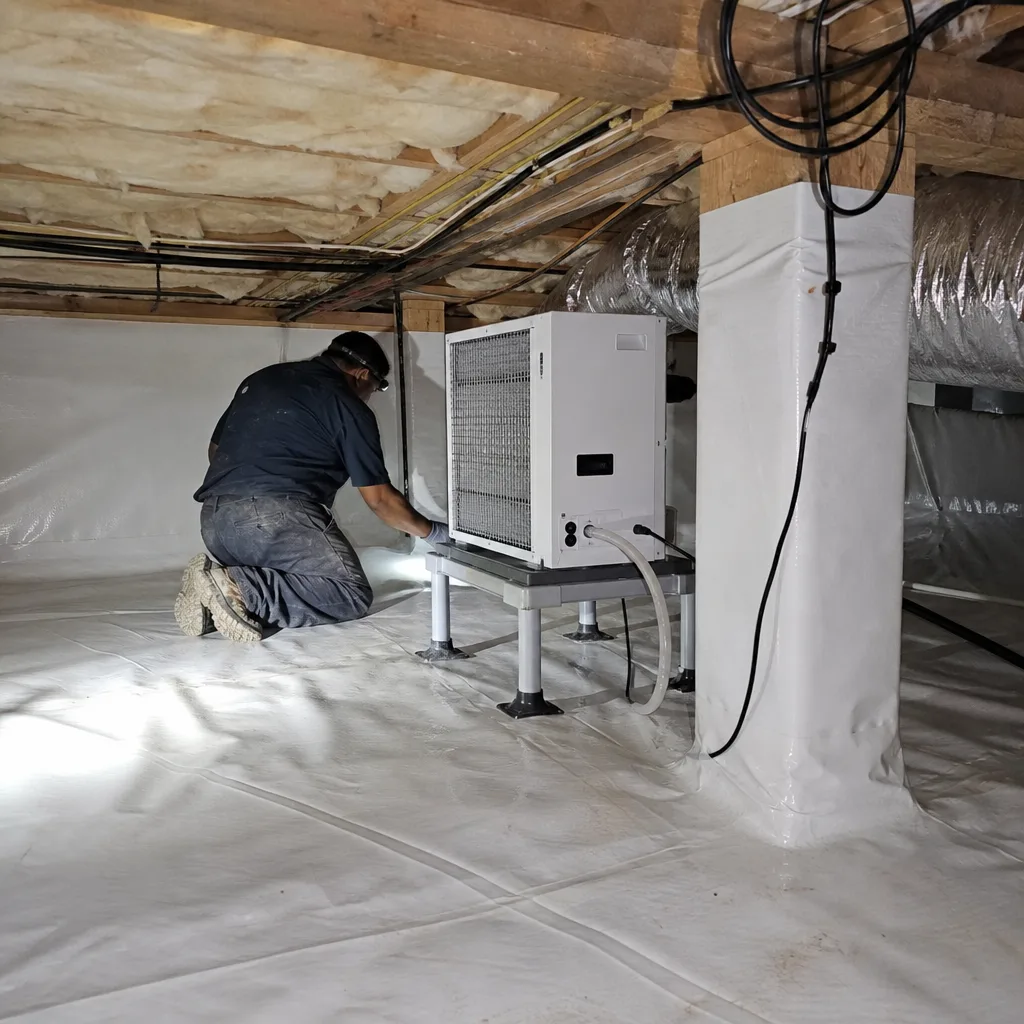
What happens when you call
- 1
A real person answersNo phone trees - you reach a local pro.
- 2
You get an upfront price rangeHonest numbers before anyone is dispatched.
- 3
A background-checked tech heads outLicensed & insured, dispatched right away.
- 4
You approve before work beginsNothing starts until you say go.
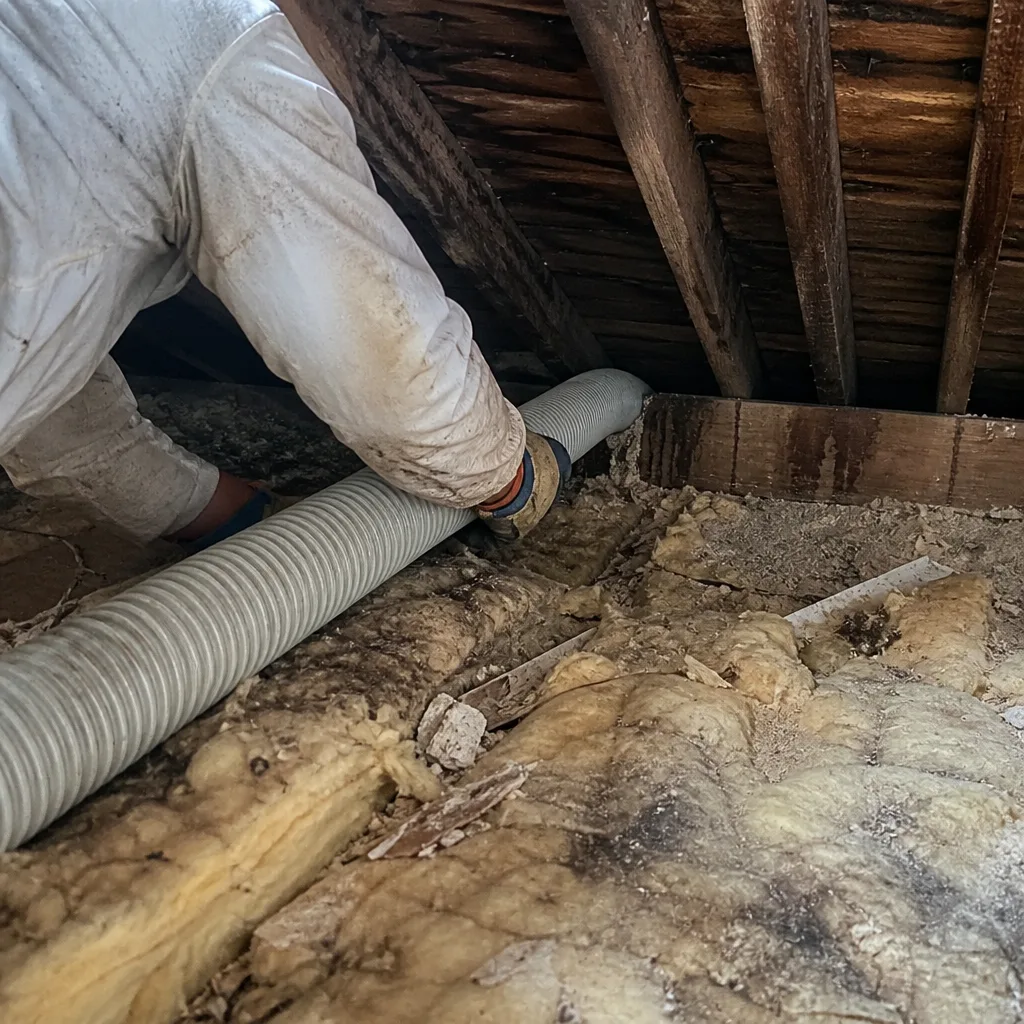 Before
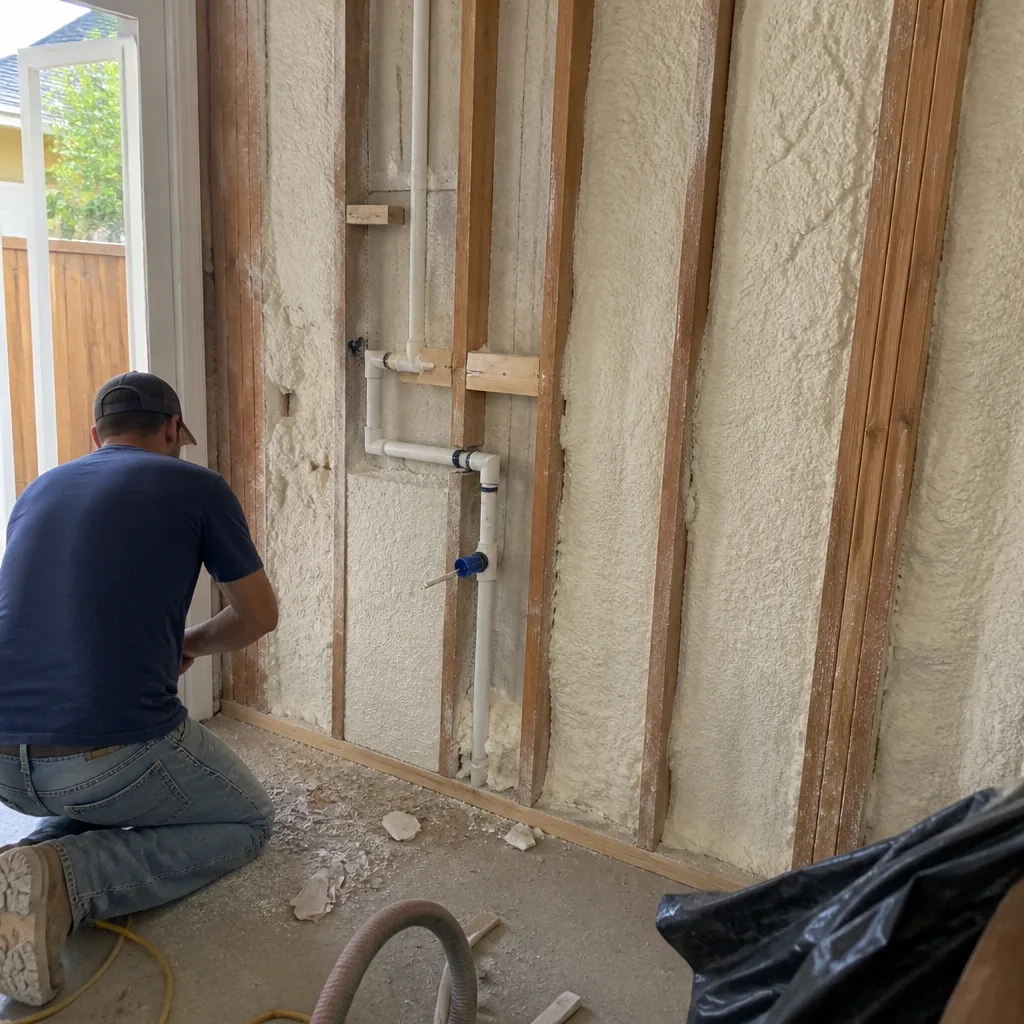 After
AfterTrusted Brands We Service in San Antonio
We stock Owens Corning, Johns Manville, and Knauf products at our San Antonio metro office, which means no waiting on regional distribution for standard jobs. For cellulose, we use GreenFiber - made from recycled paper, treated with borate for fire and pest resistance, and suitable for San Antonio’s humidity profile when installed with proper air sealing. We don’t push proprietary blends or locked-in systems. The material choice follows the building science, not a supplier contract. For San Antonio homeowners, that translates to faster turnaround and transparent specification: you’ll know exactly what product, what density, and what R-value target before we start.
Common Blown-In Insulation Problems We See in San Antonio Homes
- Settling and compaction under extreme attic heat. San Antonio’s 140-150°F summer attic temperatures bake blown-in floor insulation year after year. Cellulose and fiberglass both lose loft over time, creating thin spots directly over the ceiling plane where the cooling load hits hardest. We measure existing depth with a ruled probe and calculate the actual R-value before recommending a top-up.
- Humidity-driven condensation in unsealed assemblies. Gulf-edge moisture swings push humid air into attic spaces. When insulation is blown over an unsealed attic floor, that air migrates through the material and condenses on cooler surfaces - the top of your drywall, the ductwork, the electrical boxes. The result is degraded R-value and potential mold. We seal first, then insulate, every time.
- R-11 legacy insulation sized for a different climate reality. The 1970s-1990s tract homes inside Loop 1604 were built to Texas energy codes requiring as little as R-11 attic insulation. That might have been adequate for the design assumptions of 1985. It is catastrophically undersized for San Antonio’s actual heat load. A blown-in top-up without addressing the uninsulated attic ducts - common in these homes - leaves the biggest heat gain path untouched.
- Pier-and-beam floor gaps in older neighborhoods. Homes in King William, Lavaca, and Monte Vista often have open rim joists and uninsulated crawl spaces beneath the floor. The conditioned air leaks out, and the subfloor radiates heat upward in summer. Dense-pack wall work doesn’t address this; we evaluate the full envelope and specify floor insulation where the structure allows.
Pricing for Blown-In Insulation in San Antonio, TX
Most blown-in attic floor jobs in San Antonio run $2,400-$5,800 for a typical 1,800-2,400 square foot home, assuming standard attic access and no removal required. Here’s how that breaks down:
| Service | Typical Range (San Antonio) |
|---|---|
| Blown-in cellulose attic floor, air sealing included | $2.20-$3.20/sq ft |
| Blown-in fiberglass attic floor, air sealing included | $1.80-$2.80/sq ft |
| Blown-in top-up over existing insulation (air seal + add) | $1.40-$2.20/sq ft |
| Dense-pack wall insulation (per square foot of wall) | $3.50-$5.50/sq ft |
What moves the price: attic accessibility (steep pitch, limited hatch size, truss spacing), whether existing insulation needs removal, the extent of air sealing required before blowing, and whether we need to build storage platforms or protect HVAC equipment. We give you a written price before any work starts - Haven Standard Clause 1 - and we offer a Free Second Opinion on any competing written estimate. Call (830) 243-6352 for an exact quote; estimates are free.
CPS Energy, San Antonio’s municipally owned utility, runs targeted rebate programs for attic insulation upgrades that no neighboring city’s utility replicates in the same way. We document our work to meet their program requirements, and we can walk you through the rebate application as part of our closing documentation. That changes the net cost in ways specific to San Antonio homeowners.
We Also Serve Cities Near San Antonio
Our crews work throughout the San Antonio metro, including Blown-In Insulation in San Antonio and the near suburbs: Converse, Universal City, Schertz, and Cibolo. Dispatch and scheduling are coordinated from our San Antonio office, so response times to these communities stay tight. The same written-price-first protocol and Documented Photo Record apply regardless of zip code.
Serving San Antonio, TX - Our Local Coverage Area
We’re based in the San Antonio area and know this community well. Use the map below to see our service coverage - if you’re nearby, we can almost certainly help.
FAQs - Blown-In Insulation in San Antonio
San Antonio’s attic temperatures regularly hit 140-150°F in summer, which accelerates the thermal degradation and compaction of loose-fill materials over time. The combination of extreme heat differential and Gulf-edge humidity cycling creates more material stress than you’d see in cooler, drier Texas metros. We account for this by specifying higher initial blown depth and by returning to verify settled depth as part of our 365-Day Done Right Promise. Call (830) 243-6352 if you suspect your attic insulation has settled below effective depth.
A blown-in top-up can bring your attic to modern R-38 or R-49 performance, but only if the air sealing is addressed first. Most 1980s San Antonio tract homes have unsealed top plates, can light penetrations, and - critically - ductwork running through the unconditioned attic. Blowing insulation over leaky ducts leaves your biggest heat gain path untouched. We start with a blower-door test and infrared scan to identify where the conditioned air is actually going, then seal, then blow. The written scope will specify exactly which paths we’re sealing before any insulation goes in.
Yes. San Antonio sits at the northern edge of Gulf moisture influence, which means your attic assembly sees humidity spikes during spring and fall even when summer reads as “dry.” Cellulose, with its borate treatment and denser pack, handles this swing better than fiberglass in most vented attic applications - provided the air sealing is done first. Without sealing, either material will underperform because humid air is migrating through the insulation and condensing on cooler surfaces. We match the material to your specific attic condition, not to a one-size-fits-all specification.
Blown-in insulation helps the attic, but pier-and-beam homes in King William and Lavaca typically need floor and rim-joist work too. The crawl space beneath these homes is often open to outside air, and the rim joists - where the floor framing meets the foundation - are frequently unsealed. We dense-pack accessible wall cavities and specify crawl space encapsulation or rim-joist sealing where the structure allows. A blower-door test will show whether the bigger leakage path is the attic floor or the lower envelope; we don’t guess. The field data drives the scope.
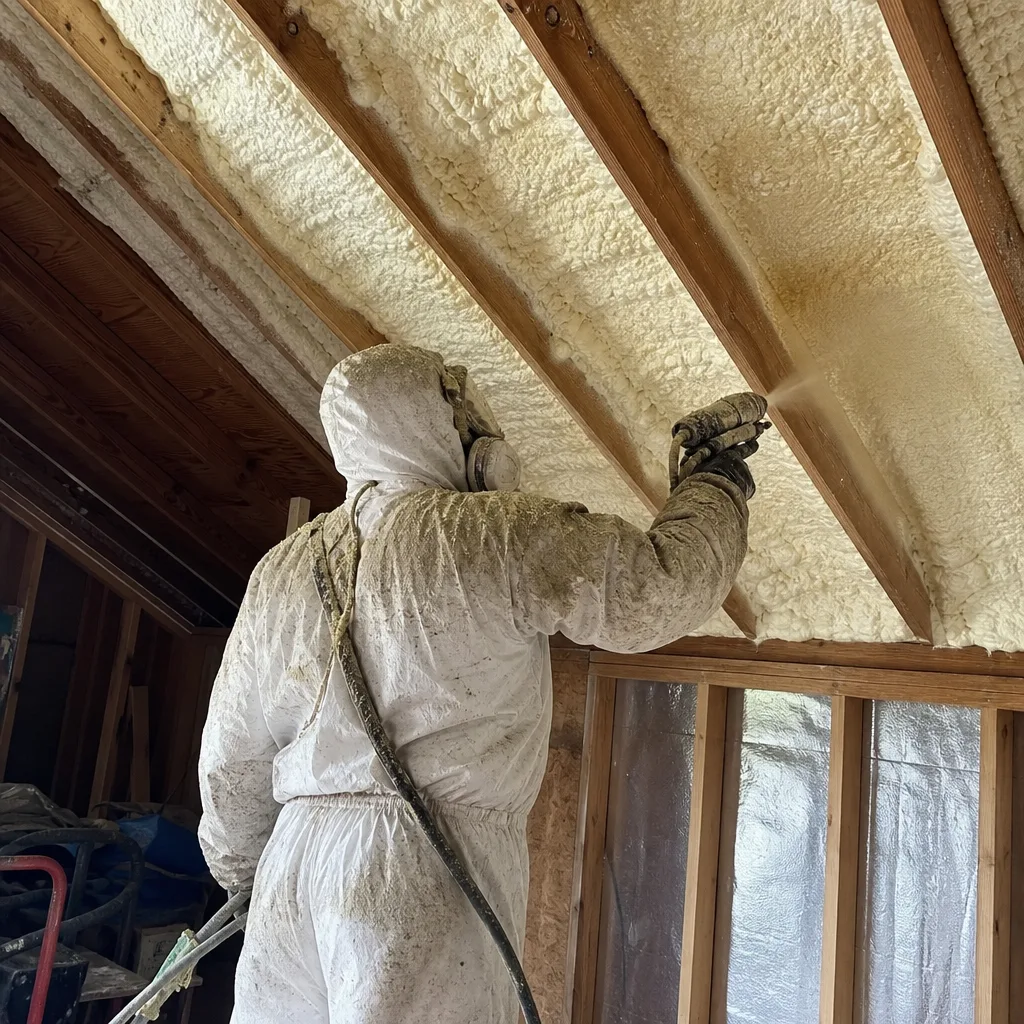
Because so many San Antonio homes have ducted HVAC systems sitting in uninsulated attics that bake at 150°F, moving the thermal boundary to the roof deck - creating a “conditioned attic” with spray foam - can cut cooling bills by 20-30%. This approach keeps the ducts inside the conditioned space and eliminates the extreme temperature differential that makes attic-floor insulation fight an uphill battle. It’s become a de facto San Antonio market standard for homes with complex duct layouts or frequent cooling complaints. That said, a properly air-sealed attic floor with blown-in cellulose to R-49 remains the correct solution for many homes, especially those with simpler HVAC configurations or budget constraints. We test and specify; we don’t default to the upsell.
Written by Wes Okafor, Owner at Topside Attic Insulation New Braunfels, serving San Antonio since 2016.